Der Schweizerische Zentralverein für das Blindenwesen SZBLIND verleiht im September 2026 zum zehnten Mal den „Prix de la Canne blanche“. Ausgezeichnet werden innovative Projekte aus der Schweiz, die die Inklusion und Selbstständigkeit blinder, sehbeeinträchtigter und taubblinder Menschen fördern, sei es im technischen oder im humanwissenschaftlichen Bereich. Damit sind auch Ansätze aus Inclusive AI und Inclusive Robotics relevant. Eingaben können noch bis 13. März 2026 über ein zweiseitiges Onlineformular, ergänzt mit einer E-Mail, vorgenommen werden. Eine nationale Fachjury wählt drei finale Projekte aus, über die anschließend das Publikum online abstimmt. Die Preisverleihung findet am 15. September 2026 in Zürich statt und bringt neben einer Bronzestatue vor allem öffentliche Aufmerksamkeit. Weitere Informationen zur Ausschreibung und zur Projekteingabe finden sich auf der Website des Schweizerischer Zentralverein für das Blindenwesen SZBLIND.
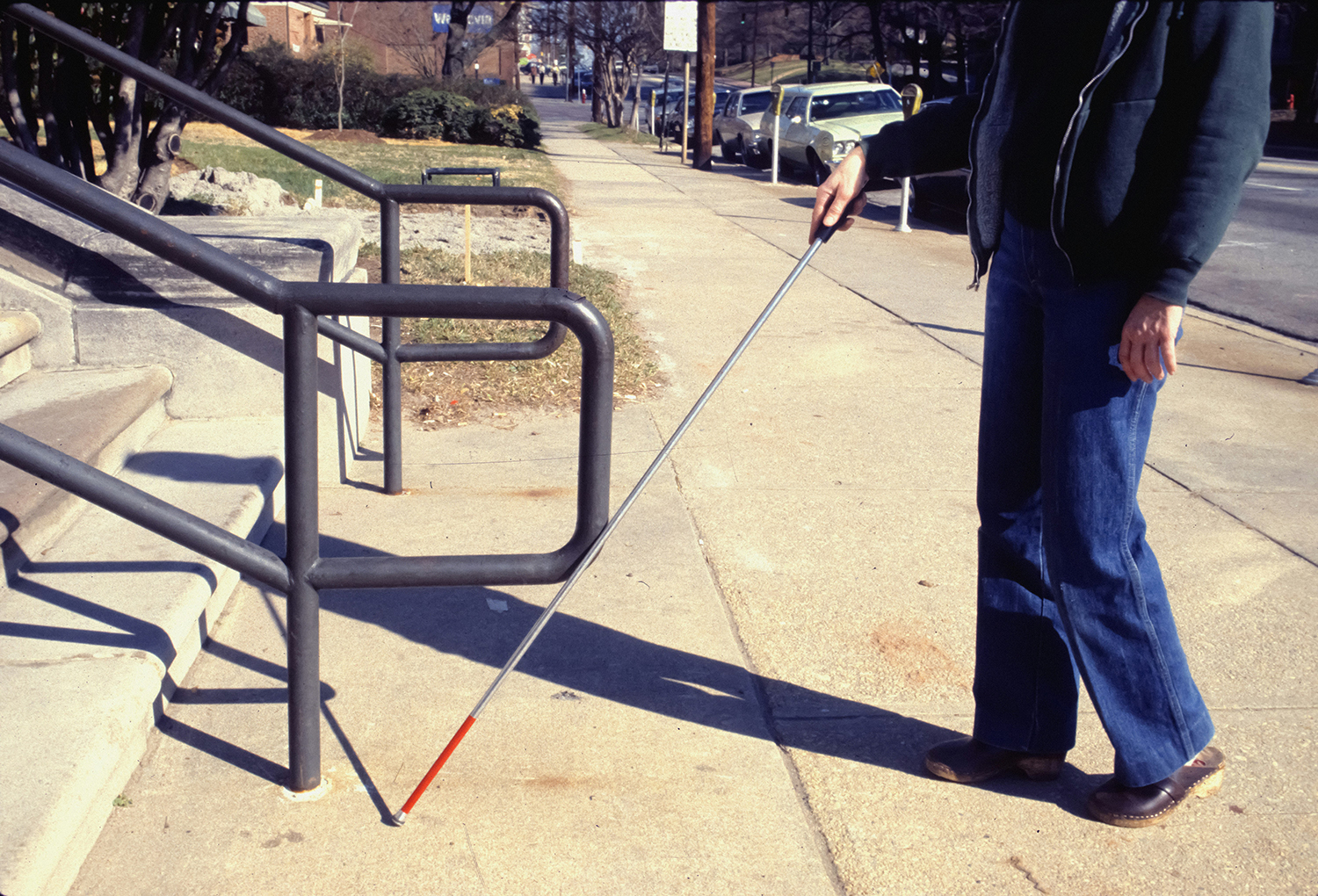
Abb.: Die Projekte können sich auf blinde und sehbehinderte Personen beziehen
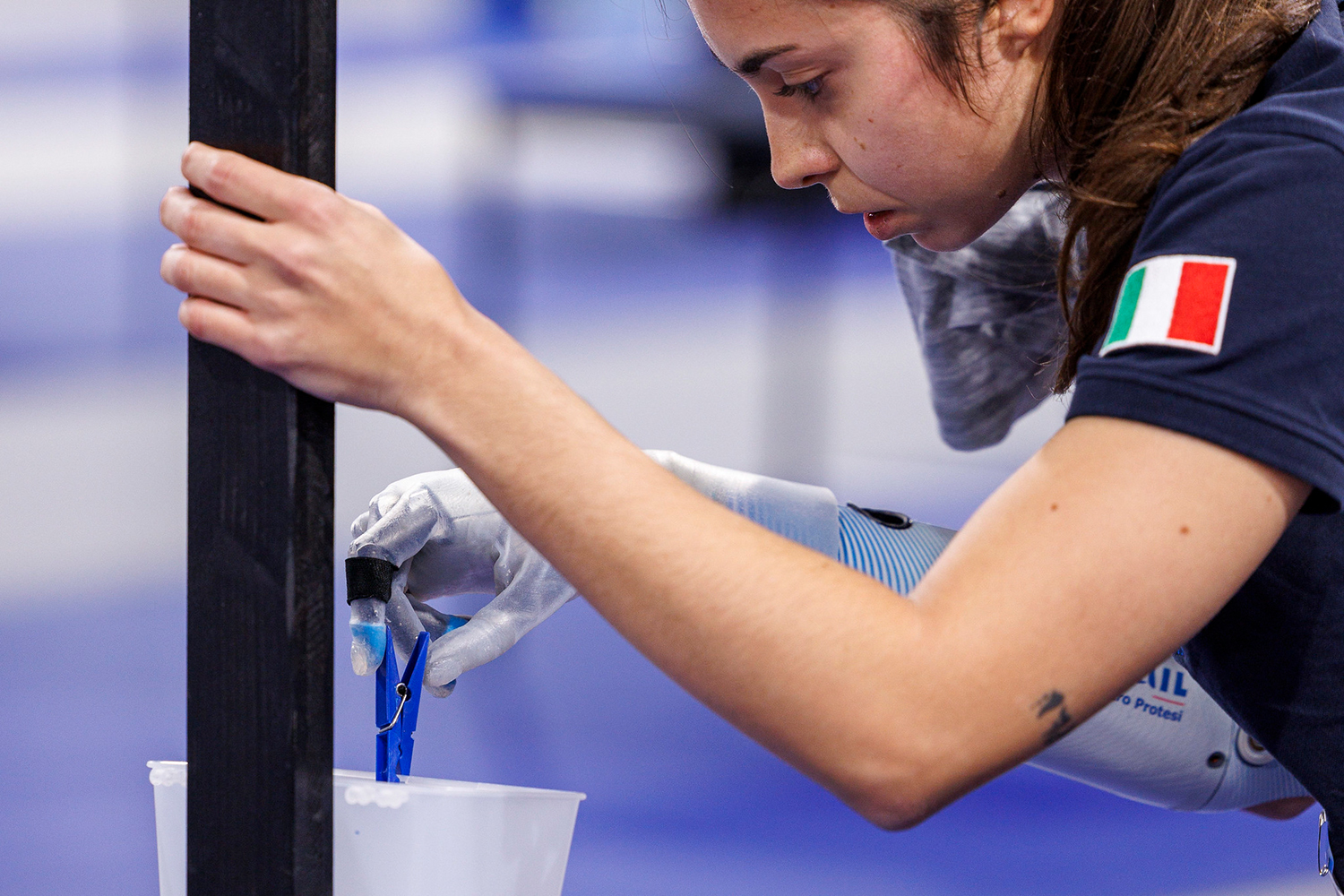
Vor 10 Jahren fand zum ersten Mal der CYBATHLON statt. Damit begann ein faszinierendes und inspirierendes Projekt, das sich um Inclusive AI und Inclusive Robotics dreht. Ins Leben gerufen hat den Wettkampf, bei dem behinderte und beeinträchtigte Personen miteinander und gegeneinander antreten, Prof. Dr. Robert Riener von der ETH Zürich. Beim CYBATHLON 2016 war der SRF-Moderator Tobias Müller fünfmal im Gespräch mit Prof. Dr. Oliver Bendel, Technikphilosoph aus Zürich, der den Einsatz von Implantaten, Prothesen und Robotern einordnete und bewertete. Einmal war Prof. Dr. Lino Guzzella mit dabei, der damalige ETH-Präsident, einmal Robert Riener. Die letzte Durchführung des CYBATHLON erfolgte 2024. Es traten 67 Teams aus 24 Nationen in der SWISS Arena in Kloten bei Zürich sowie an den sieben miteinander verbundenen Hubs in den USA, Kanada, Südafrika, Ungarn, Thailand und Südkorea in acht Disziplinen gegeneinander an. Auf der Website heißt es heute: „Während die Reise des CYBATHLON an der ETH Zürich hier endet, ist die Geschichte noch lange nicht vorbei. Die nächste Ausgabe der Veranstaltung könnte 2028 in Asien stattfinden und damit ein neues, aufregendes Kapitel rund um diesen einzigartigen globalen Wettkampf aufschlagen.“ (Website CYBATHLON) Damit würde eine Erfolgsgeschichte fortgeschrieben, aber wieder einmal nicht in Europa, sondern in Asien.
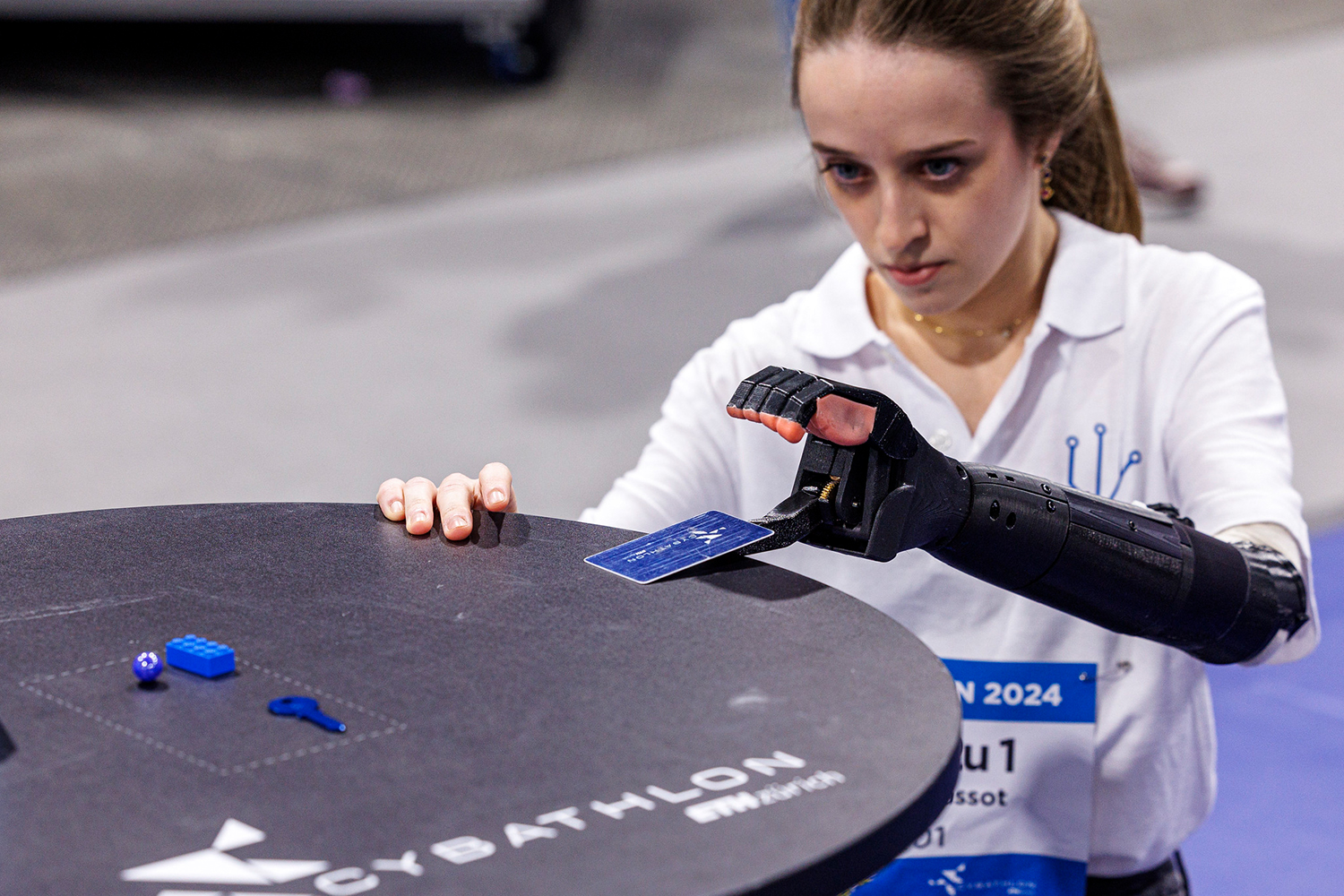
Abb.: Eine Teilnehmerin beim CYBATHLON (Foto: ETH Zürich, CYBATHLON/Alessandro della Bella)
At CES 2026, some of the most compelling examples of Inclusive AI and Inclusive Robotics came not from consumer gadgets, but from European assistive technologies designed to expand human autonomy. This was reported by FAZ and other media outlets in January 2026. These innovations show how AI-driven perception and robotics can be centered on accessibility – and still scale beyond niche use cases. Romanian startup Dotlumen exemplifies Inclusive AI through its “.lumen Glasses for the Blind,” a wearable system that replaces a guide dog with real-time, on-device intelligence. Using multiple cameras, sensors, and GPU-based computer vision, the glasses interpret sidewalks, obstacles, and spatial structures and translate them into intuitive haptic signals. The company calls this approach “Pedestrian Autonomous Driving” – a concept that directly bridges human navigation and mobile robotics. Notably, the same algorithms are now being adapted for autonomous delivery robots, underscoring the overlap between assistive AI and broader robotic autonomy. A complementary approach comes from France-based Artha (Seehaptic), whose haptic belt uses AI-powered scene understanding to convert visual space into tactile feedback. By shifting navigation cues from sound to touch, the system reduces cognitive load and leverages sensory substitution – an inclusive design principle with implications for human-machine interfaces in robotics. Together, these technologies illustrate a European model of Inclusive AI: privacy-preserving, embodied, and focused on real-world autonomy. What begins as assistive tech increasingly becomes a foundation for the next generation of intelligent, human-centered robotics.
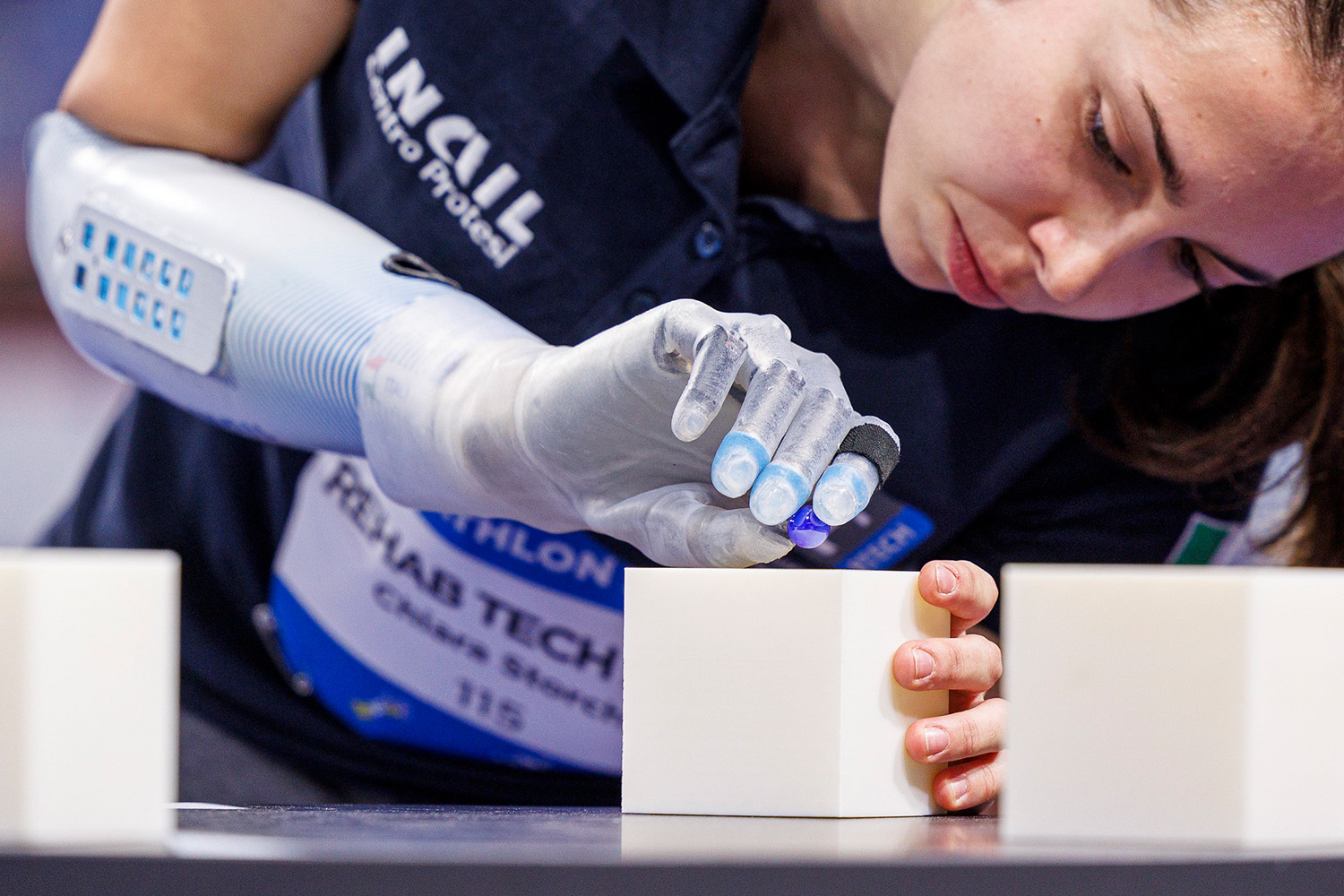
Fig.: A scene from the Cybathlon (Photo: ETH Zürich, CYBATHLON/Alessandro della Bella)
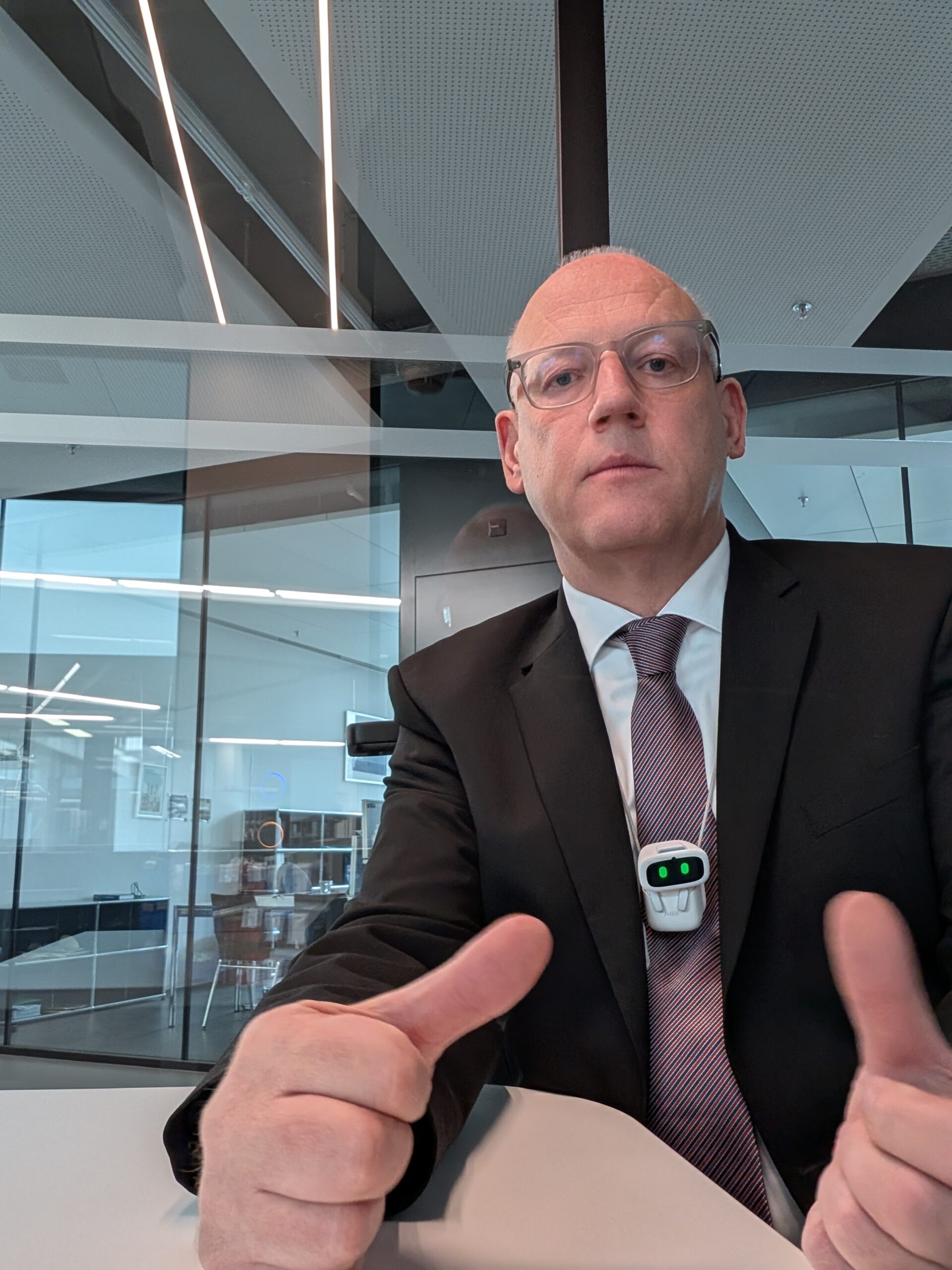
The article „Wearable Social Robots for the Disabled and Impaired“ by Oliver Bendel was published on December 23, 2025. It is part of the volume “Social Robotics + AI: 17th International Conference, ICSR+AI 2025, Naples, Italy, September 10–12, 2025, Proceedings, Part III.“ From the abstract: „Wearable social robots can be found on a chain around the neck, on clothing, or in a shirt or jacket pocket. Due to their constant availability and responsiveness, they can support the disabled and impaired in a variety of ways and improve their lives. This article first identifies and summarizes robotic and artificial intelligence functions of wearable social robots. It then derives and categorizes areas of application. Following this, the opportunities and risks, such as those relating to privacy and intimacy, are highlighted. Overall, it emerges that wearable social robots can be useful for this group, for example, by providing care and information anywhere and at any time. However, significant improvements are still needed to overcome existing shortcomings.“ The technology philosopher presented the paper on September 12, 2025, in Naples. It can be downloaded from link.springer.com/chapter/10.1007/978-981-95-2398-6_8.
„Inclusive Robotics (dt. ‚inklusive Robotik‘) entwirft, gestaltet, steuert, produziert und betreibt robotische Lösungen für Behinderte und Beeinträchtigte. Diese sollen in vollem Umfang am gesellschaftlichen Leben teilhaben und sich in Bildung, Kultur und Sport betätigen können. Helfen kann dabei sowohl eine Ersetzung oder Ergänzung eines Körperteils als auch ein Roboter, der einen begleitet (Assistenzroboter oder Companion Robot) bzw. den man bei sich oder an sich trägt (Wearable Robot). Zunehmend relevant werden robotische Vierbeiner sowie robotische Zweibeiner im Sinne von Allzweckrobotern. Diese werden in der Zukunft als universelle Roboter echte Generalisten sein. Es geht insgesamt um physische, aber auch um psychische Aspekte. Inclusive Robotics hat enge Beziehungen zu Inclusive AI.“ Mit diesen Worten beginnt ein Beitrag von Prof. Dr. Oliver Bendel, der am 18. März 2025 im Gabler Wirtschaftslexikon veröffentlicht wurde. Im zweiten Abschnitt wird das eine oder andere Beispiel aufgeführt, im dritten die Perspektive der Ethik eingenommen. Der vollständige Beitrag ist über wirtschaftslexikon.gabler.de/definition/inclusive-robotics-172663 abrufbar.
Abb.: Wettkämpferin beim Cybathlon (Foto: ETH Zürich, Cybathlon/Alessandro Della Bella)