„Der halb scherzhaft, halb ernst gemeinte Begriff des Robozäns steht für die auf das Anthropozän womöglich nachfolgende Epoche, in der Roboter und Systeme mit künstlicher Intelligenz (KI) mit uns in allen wesentlichen Bereichen koexistieren, kooperieren und kollaborieren und für das Überleben von Lebewesen unverzichtbar geworden sind. Das Anthropozän ist das Zeitalter, das vom Menschen geprägt und in dem Natur in Kultur überführt ist.“ Mit diesen Worten beginnt der Beitrag „Robozän“ von Oliver Bendel, der am 16. September 2026 im Gabler Wirtschaftslexikon erschienen ist. Auf die Einleitung folgt der Abschnitt „KI-Ära und Robozän“. An dessen Ende ist zu lesen: „‚Der Mensch erscheint im Holozän‘ – so betitelte einst Max Frisch seine Erzählung von 1979. Mehrere Science-Fiction-Bücher und -Filme sagen voraus, dass der Mensch im Robozän verschwindet.“ In „Kritik und Ausblick“ heißt es: „Die Roboterethik widmet sich dem Miteinander und Gegeneinander von Mensch und Maschine im Robozän. Autonome Systeme und KI-Tools können im moralischen Sinne keine Verantwortung übernehmen und keine Rechte haben. Zugleich formen ihre auf Algorithmen basierenden Entscheidungen – bei solchen mit moralischen Implikationen ist die Maschinenethik im Spiel – immer mehr die ökonomischen und sozialen Gegebenheiten und unterstützen sie mit ihren Fähigkeiten die Möglichkeiten des Homo faber und das Überleben des Homo sapiens in einer zunehmend unwirtlichen Welt. Vielleicht kann man in diesem Sinne den Prophezeiungen der Science-Fiction zumindest ein Stück weit entkommen.“ Der ganze Beitrag kann über wirtschaftslexikon.gabler.de/definition/robozaen-178167 aufgerufen werden.
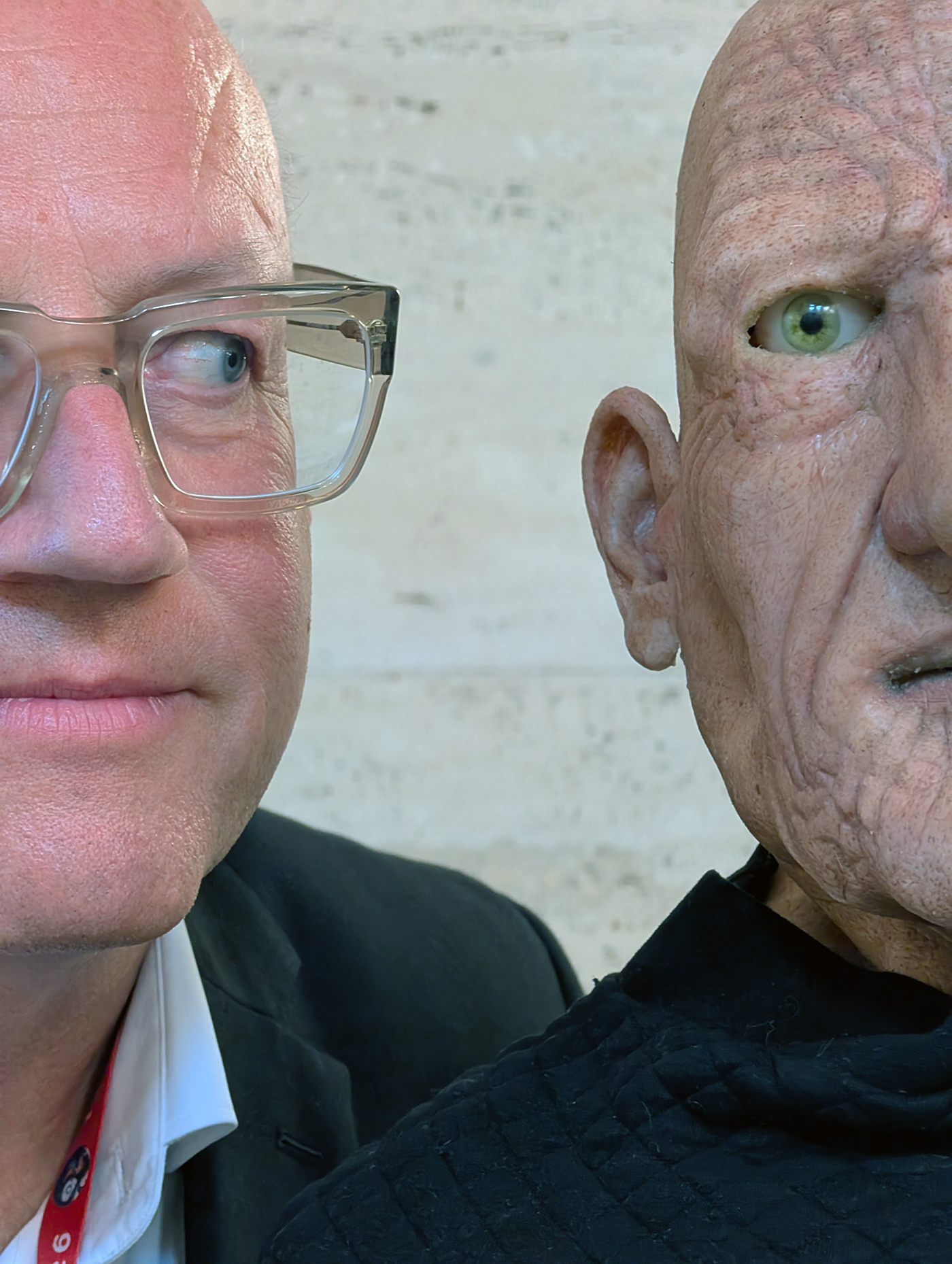
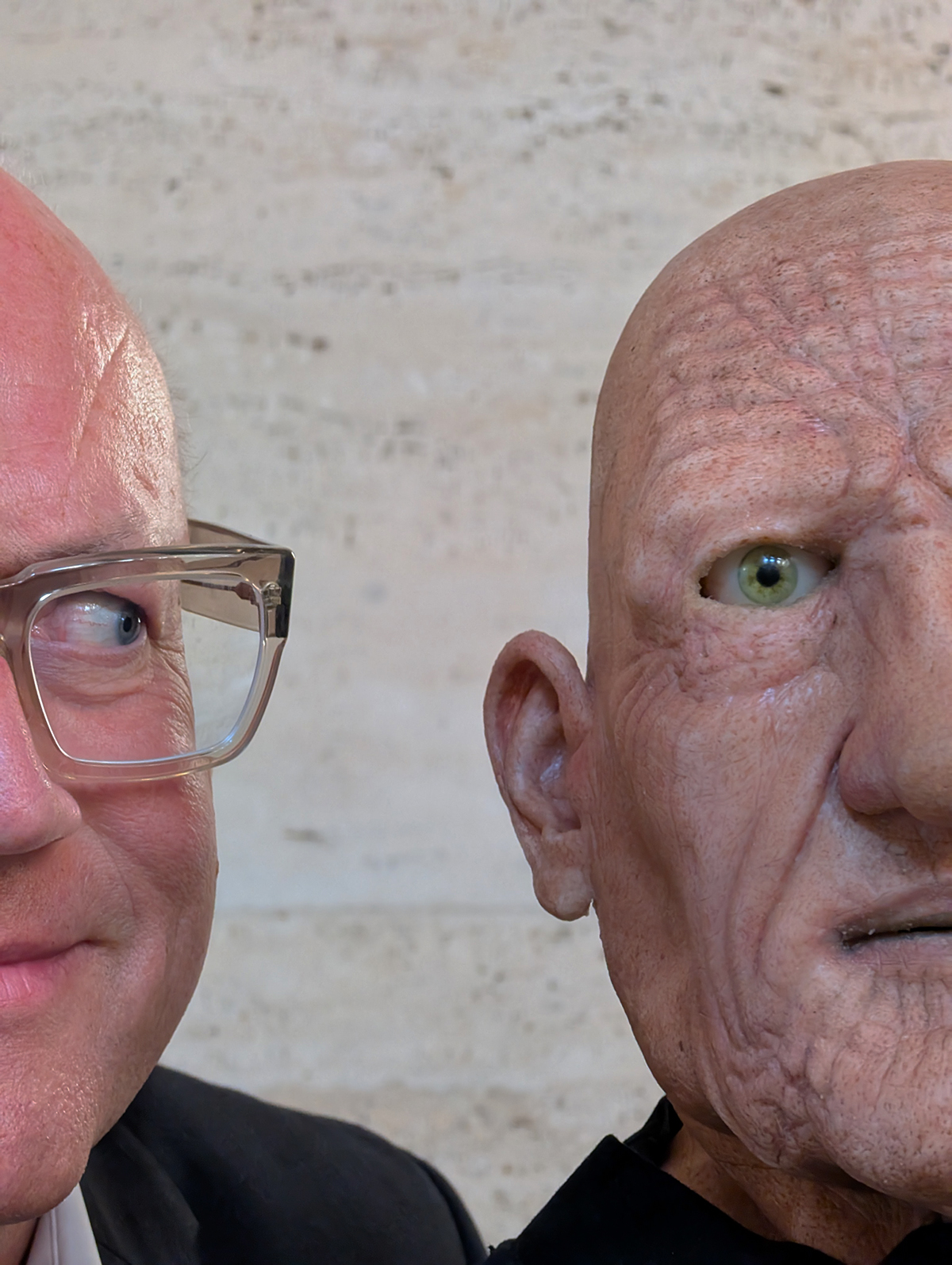
Abb.: Oliver Bendel und der Android Euclid (Foto: Nihan Karataş)
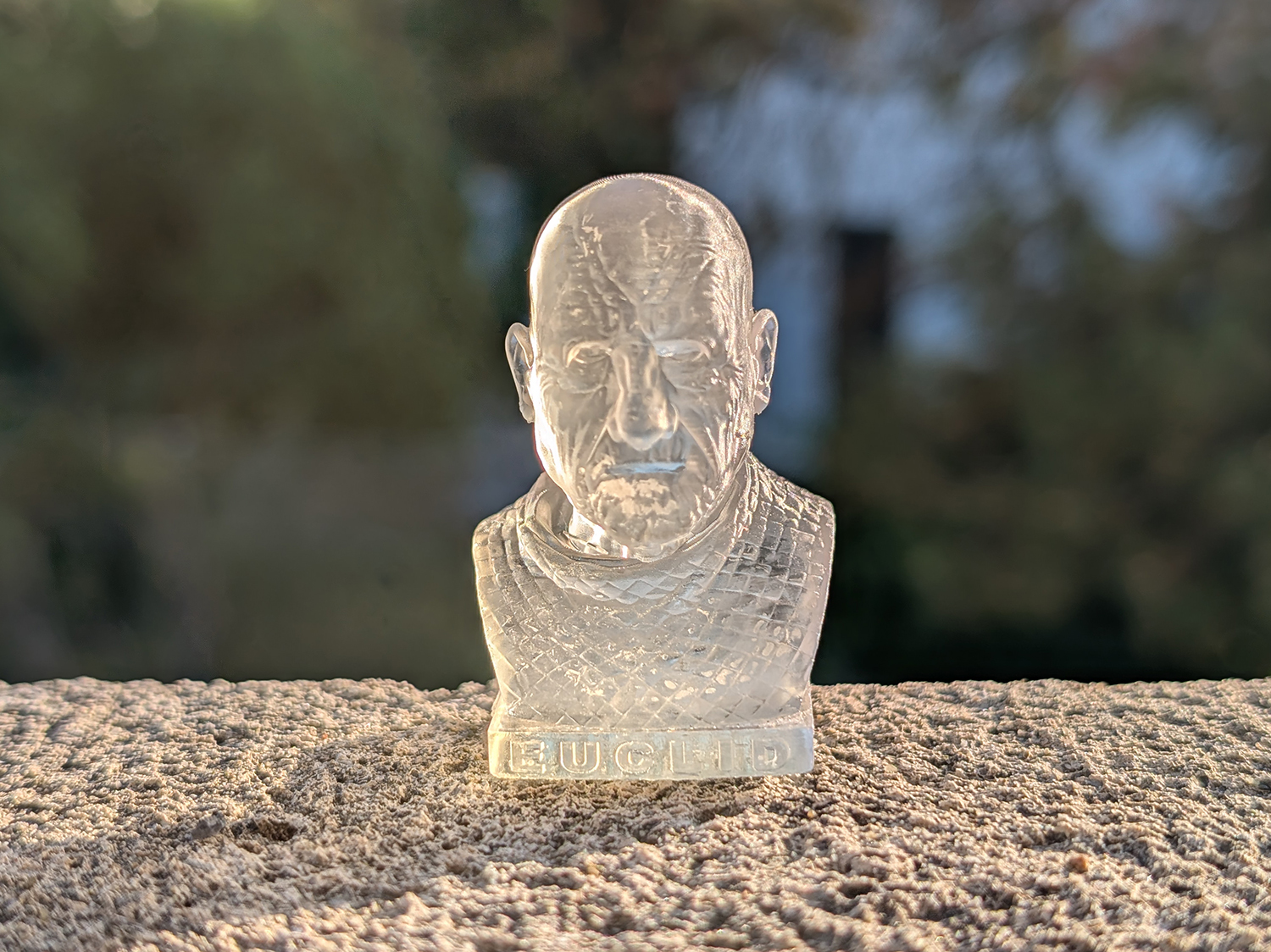
Die ICSR + Art 2026 fand vom 1. bis zum 4. Juli in London statt. Sie brachte Forscher, Wissenschaftler und Fachleute aus aller Welt zusammen, um die neuesten Entwicklungen auf dem Gebiet der Sozialen Robotik zu diskutieren. Zu den Konferenzformaten gehörte eine Reihe von Debatten, die in der Debate Hall des Senate House geführt wurden. Am zweiten Konferenztag hatten die Teilnehmer die Gelegenheit, mit Euclid zu interagieren, einem Androiden, der von Carl Strathearn und Emilia Sobolewska entwickelt wurde. Dies geschah im Rahmen der Session „Innovation Through Creation: The Case for Building Our Own Social Robots for HRI Research“. Euclid ist ein autonomer sozialer Roboter, der über automatische Spracherkennung, Computer Vision, generative KI, Hautsensoren sowie einen robotischen Mund verfügt, der mithilfe von maschinellem Lernen realistische Viseme erzeugt. Der Android wurde für soziale und unterstützende Interaktionen mit älteren Menschen entwickelt und demonstriert, wie Fortschritte in der Künstlichen Intelligenz und Robotik eine immer natürlichere Kommunikation zwischen Mensch und Roboter ermöglichen. Gleichzeitig bietet er eine überzeugende Plattform für die Forschung zur Mensch-Roboter-Interaktion. Nach der Veranstaltung überreichte Carl Strathearn dem Technikphilosophen Oliver Bendel, der als Publicity Chair fungierte, ein 3D-gedrucktes Modell von Euclid. Weitere Informationen sind über www.carlstrathearn.co.uk verfügbar.
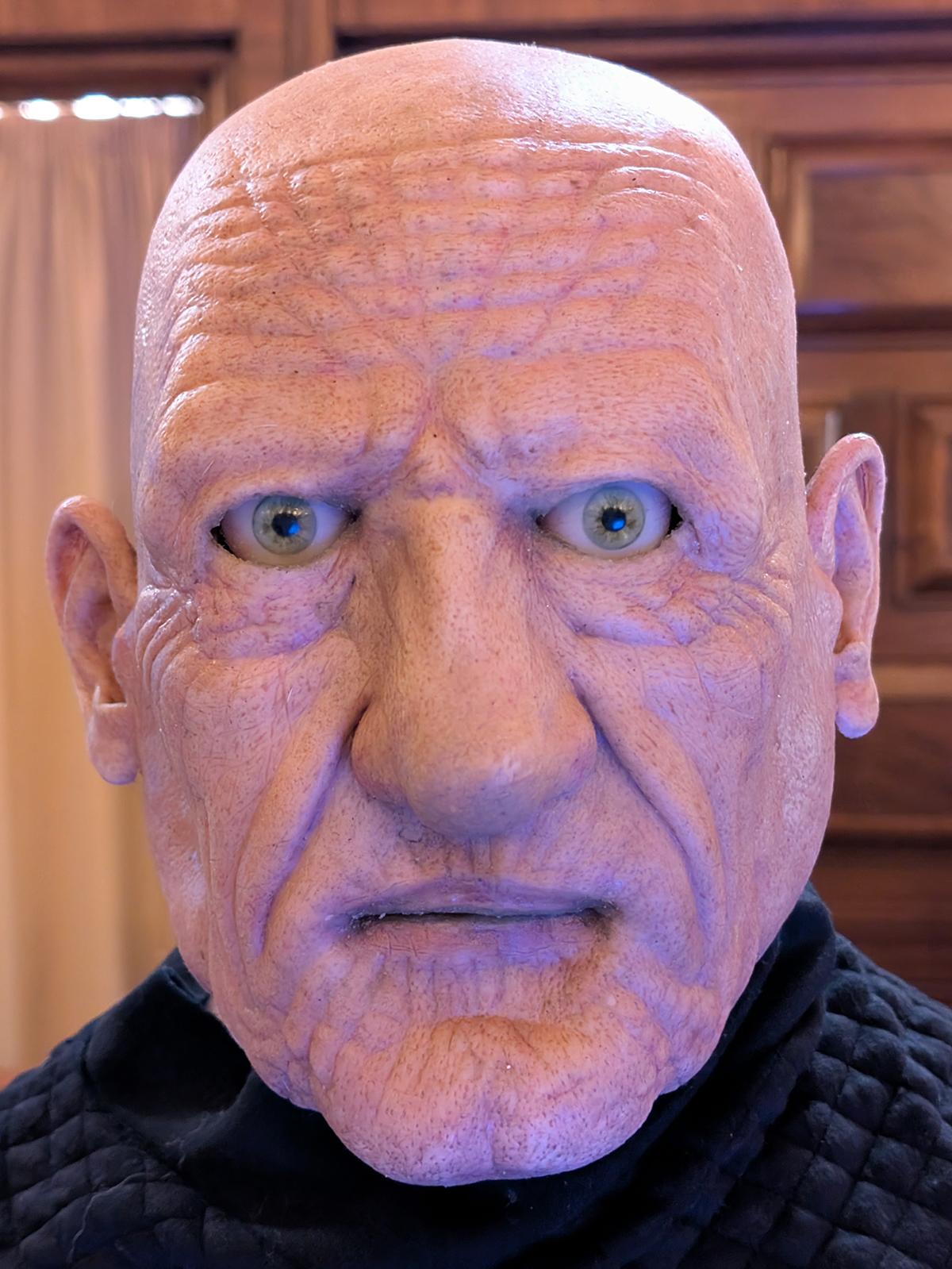
Humanoid robots are becoming increasingly convincing conversational partners, but can they also become good storytellers? This intriguing question will be explored at New Scientist Live 2026 in London during the Family session „Science Bites: Why are robots bad story tellers?“ on October 10 from 12:40 to 1:20 p.m. Computer scientist Dr. Carl Strathearn and lecturer and computer scientist Emilia Sobolewska will present their two AI-powered humanoid robots, Euclid and Moira, and let them engage in a live conversation. While today’s AI systems can generate impressive text, storytelling remains a difficult challenge because compelling narratives require contextual understanding, shared knowledge, creativity, and the ability to connect ideas in meaningful ways. During the demonstration, the two robots will exchange thoughts and ideas, and the audience may even witness them gradually drifting into hallucinations and constructing a shared fantasy world. The researchers hope that these spontaneous interactions could offer new insights into how imagination and creativity might emerge in autonomous AI systems. Euclid has already attracted considerable attention this summer as one of the highlights of the 18th International Conference on Social Robotics (ICSR + Art 2026) in London, where visitors were able to interact directly with the advanced humanoid robot. Developed by Carl Strathearn and Emilia Sobolewska, Euclid combines automatic speech recognition, computer vision, generative AI, skin sensors, and an innovative robotic mouth that produces highly realistic speech movements through machine learning. Unlike many famous humanoid robots with idealized faces, Euclid deliberately represents an older man with deeply lined features, challenging established design conventions while emphasizing authenticity, diversity, and natural human interaction. The upcoming New Scientist Live session now offers another opportunity to experience Euclid in action, this time in an experiment that explores one of the most fascinating frontiers of artificial intelligence: whether machines can move beyond generating language and begin creating genuinely imaginative stories together.
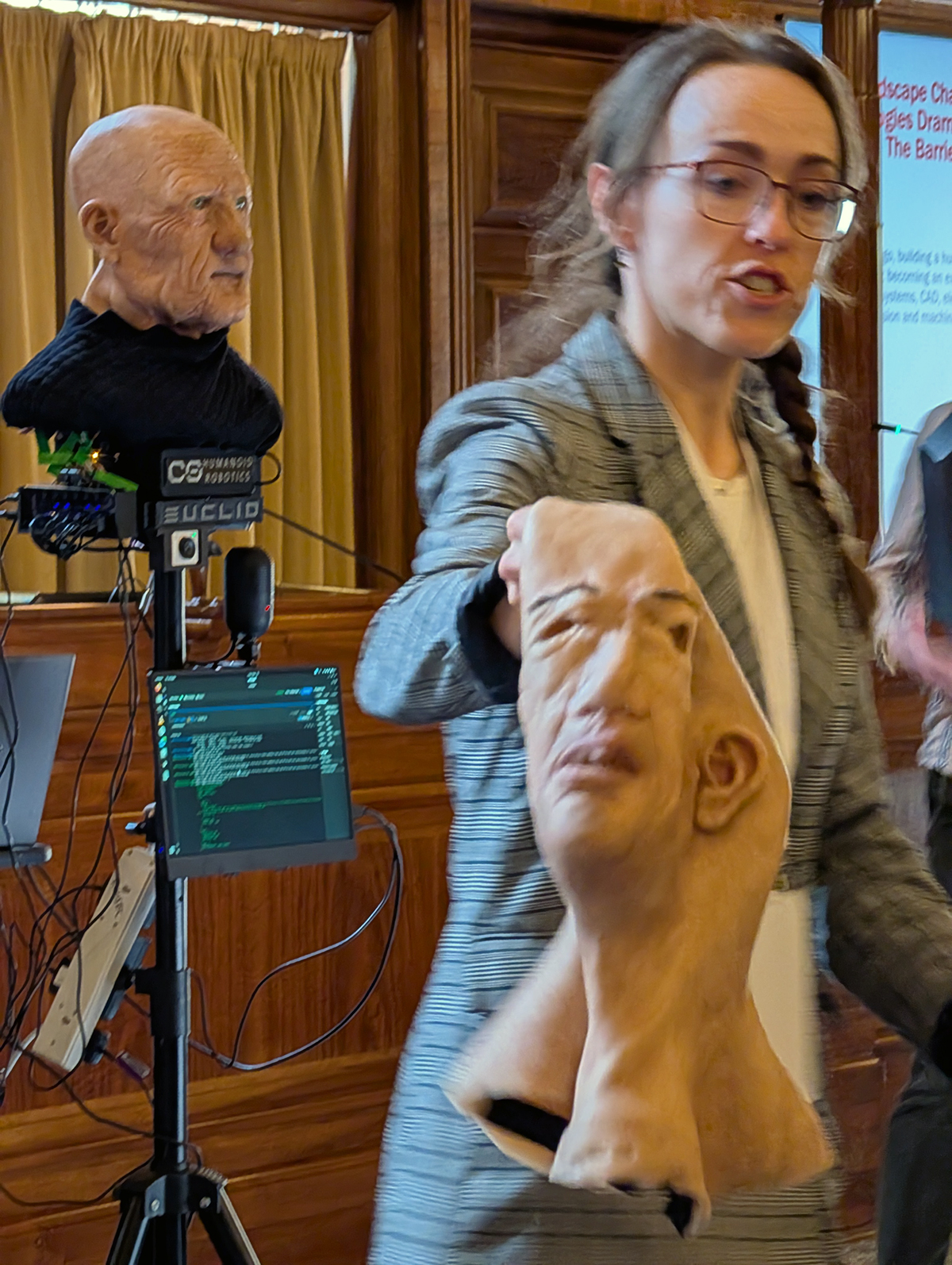
On June 19, 2024, Oliver Bendel gave a presentation at the IDEepolis 2024 conference in Stuttgart entitled „Es wird ein Mensch gemacht: Die Vision des universellen Roboters“ („A Human Is Being Made: The Vision of the Universal Robot“). The scholar of German studies and philosophy opened his talk with a quotation from Goethe’s „Faust II“: „MEPHISTOPHELES: Willkommen! es ist gut gemeint. WAGNER: Willkommen zu dem Stern der Stunde! Doch haltet Wort und Atem fest im Munde, Ein herrlich Werk ist gleich zustand gebracht. MEPHISTOPHELES: Was gibt es denn? WAGNER: Es wird ein Mensch gemacht.“ („MEPHISTOPHELES: Welcome! It is well meant. WAGNER: Welcome to the star of the hour! But hold your words and your breath, A magnificent work is about to be completed. MEPHISTOPHELES: What is it then? WAGNER: A human is being made.“). Oliver Bendel then explained what general-purpose robots are and how they could evolve into universal robots. He also discussed androids such as Harmony. At ICSR 2026, he encountered Euclid, another android, developed by Dr. Carl Strathearn, Assistant Professor of Computer Science, and Emilia Sobolewska, Lecturer and Researcher. It was Emilia Sobolewska who, in the Debate Hall of the Senate House, playfully twirled a piece of facial skin before placing it into the hands of the session participants. Oliver Bendel kneaded the face in his hands and thought: „Es wird ein Mensch gemacht!“ („A Human Is Being Made!“). The article based on the presentation will be published later in 2026 in the book „Mensch – Maschine revisited“ („Human – Machine Revisited“), edited by Petra Grimm, Kai Erik Trost, and Oliver Zöllner.
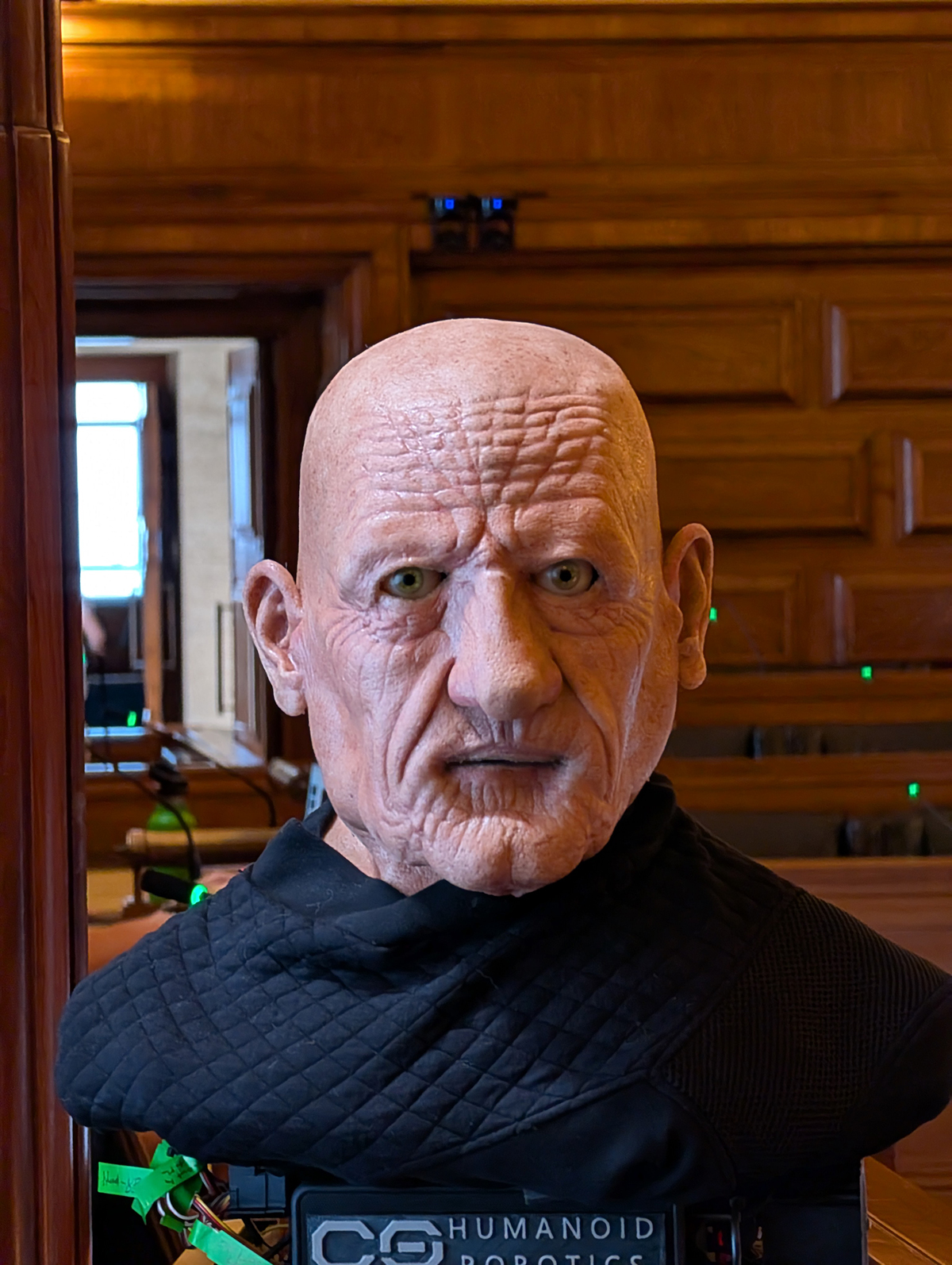
The 18th International Conference on Social Robotics (ICSR + Art 2026) is currently taking place in London from July 1–4, bringing together researchers, academics, and industry professionals from around the world to explore the latest developments in social robotics. Among the highlights of the second conference day was a live demonstration of Euclid, an advanced humanoid robot developed by Dr. Carl Strathearn, Assistant Professor of Computer Science, and Emilia Sobolewska. Strathearn’s work focuses on developing autonomous humanoid robots powered by artificial intelligence that look, behave, and interact in ways that closely resemble humans. Creating lifelike humanoid robots is particularly valuable because the human face remains the most natural interface for communication, emotional expression, and learning. By replicating these familiar conditions, researchers can make AI technologies more intuitive and accessible for people from a wide range of backgrounds, ages, and abilities. Euclid embodies this vision as a fully autonomous social robot equipped with automatic speech recognition, computer vision, generative AI, skin sensors, and a unique robotic mouth that uses machine learning to generate realistic visemes for speech. The robot has been specifically designed for social and assistive interactions with older adults, where natural communication and trust are essential. What makes Euclid especially remarkable, however, is its appearance. While many well-known female humanoid robots, such as Sophia, Erika, and Harmony, feature smooth, almost flawless faces that reflect conventional beauty stereotypes, Euclid deliberately takes a different approach. The robot realistically portrays the deeply lined facial features and weathered skin of an older man. This design choice is both technically demanding and artistically sophisticated, demonstrating that age, character, and authenticity can be just as aesthetically compelling as youthful perfection. In doing so, Euclid challenges established conventions in humanoid robot design while presenting a more diverse and human-centered vision of social robotics. At the ICSR, scientists had the opportunity to talk with Euclid and ask him about his identity and charisma. Further information is available at icsr2026.uk.
Fig.: Oliver Bendel in conversation with Euclid (Photo: Nihan Karataş)
The 18th International Conference on Social Robotics (ICSR + Art 2026) is currently taking place in London from July 1–4, bringing together researchers, academics, and industry professionals from around the world to discuss the latest advances in social robotics. One of the conference formats is a series of debates held in the Debate Hall of Senate House. On the second day, attendees had the opportunity to engage with Euclid, an android developed by Carl Strathearn and Emilia Sobolewska, as part of the session „Innovation Through Creation: The Case for Building Our Own Social Robots for HRI Research“. Euclid is a fully autonomous social robot equipped with automatic speech recognition, computer vision, generative AI, skin sensors, and a robotic mouth that uses machine learning to generate realistic visemes. Designed for social and assistive interactions with older adults, the android demonstrated how advances in artificial intelligence and robotics are enabling increasingly natural human-robot communication while providing a compelling platform for human-robot interaction research. Further information is available at icsr2026.uk and www.carlstrathearn.co.uk.
Fig.: Oliver Bendel and Euclid at ICSR + Art 2026 (Photo: Nihan Karataş)