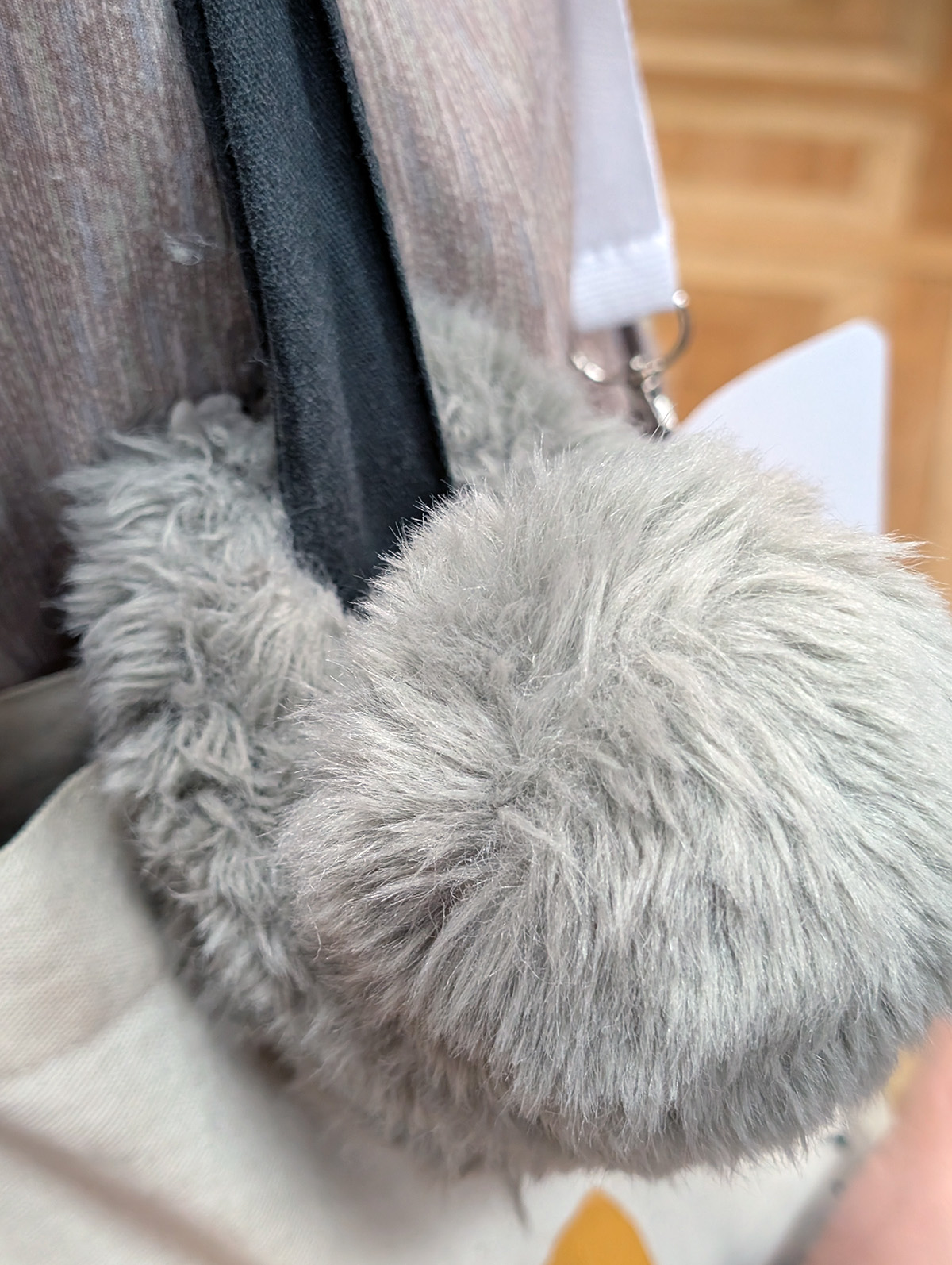
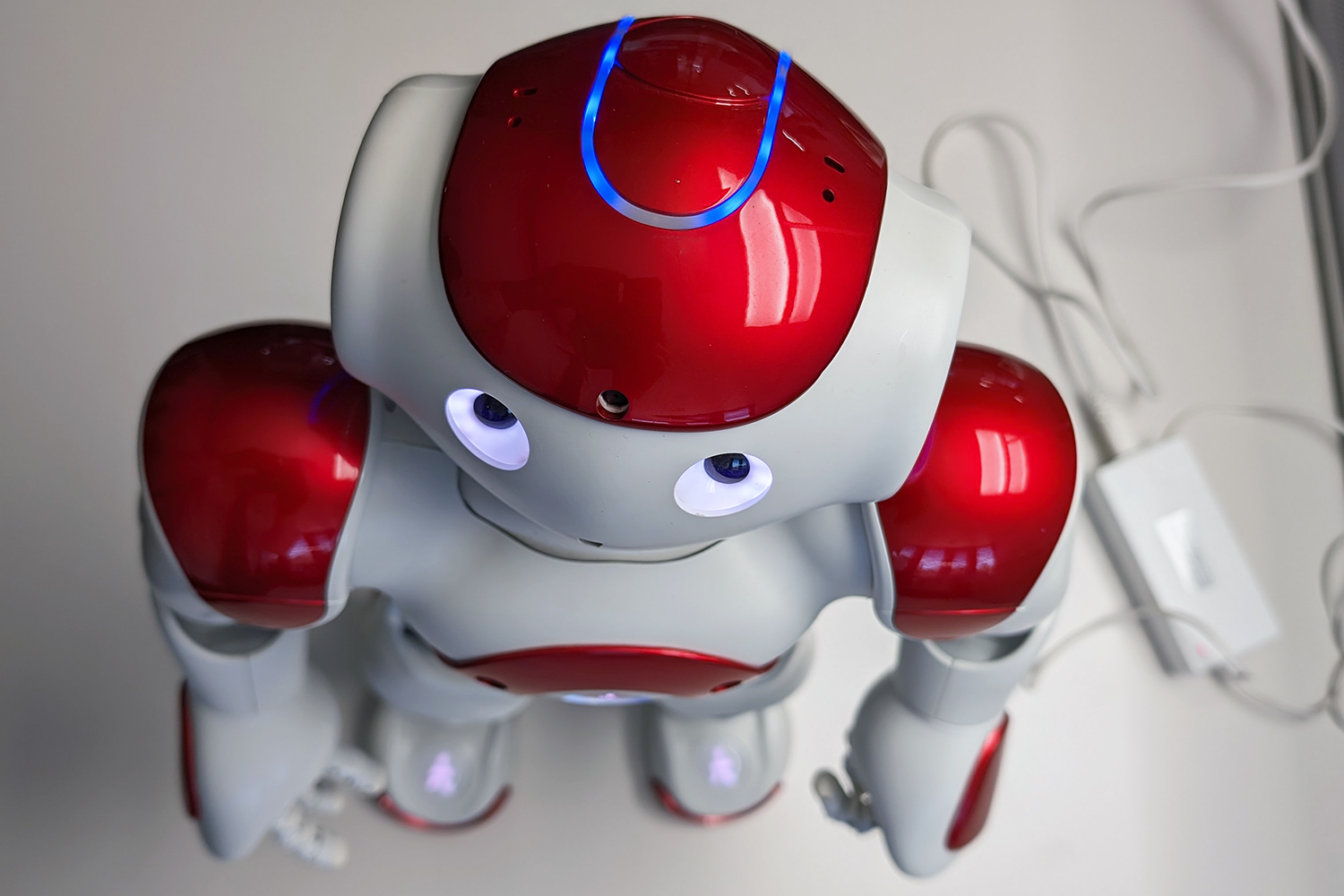
Yukai Engineering is bringing Mirumi, its wearable social robot, to Harrods in London with an exclusive pop-up store running from July 20 through August 16, 2026. The furry robotic bag charm first gained international attention at CES 2025 and later became a Kickstarter success before selling out during its initial launch in Japan. Mirumi can be attached to a bag and responds to sounds, movement, touch, and nearby people by turning its head and displaying expressive, lifelike reactions. Its expressive behaviour creates the impression of carrying a curious little companion wherever you go. Although Harrods has not yet announced specific details about the pop-up, the store is expected to offer visitors the opportunity to experience and purchase Mirumi in person. Exclusive editions have not been confirmed, but Harrods is known for limited-time collaborations and distinctive retail experiences, which could make the pop-up particularly appealing to collectors and technology enthusiasts. Following its successful debut in Japan and appearances at events such as ICSR + Art 2026 in London, Mirumi continues to attract growing international attention. With its expressive behaviour, distinctive design, and collectible appeal, it is already being discussed as a possible next major trend among robotic companions and collectible robots. An article by Oliver Bendel on wearable social robots is available via Wiley Industry News or directly here as a PDF.
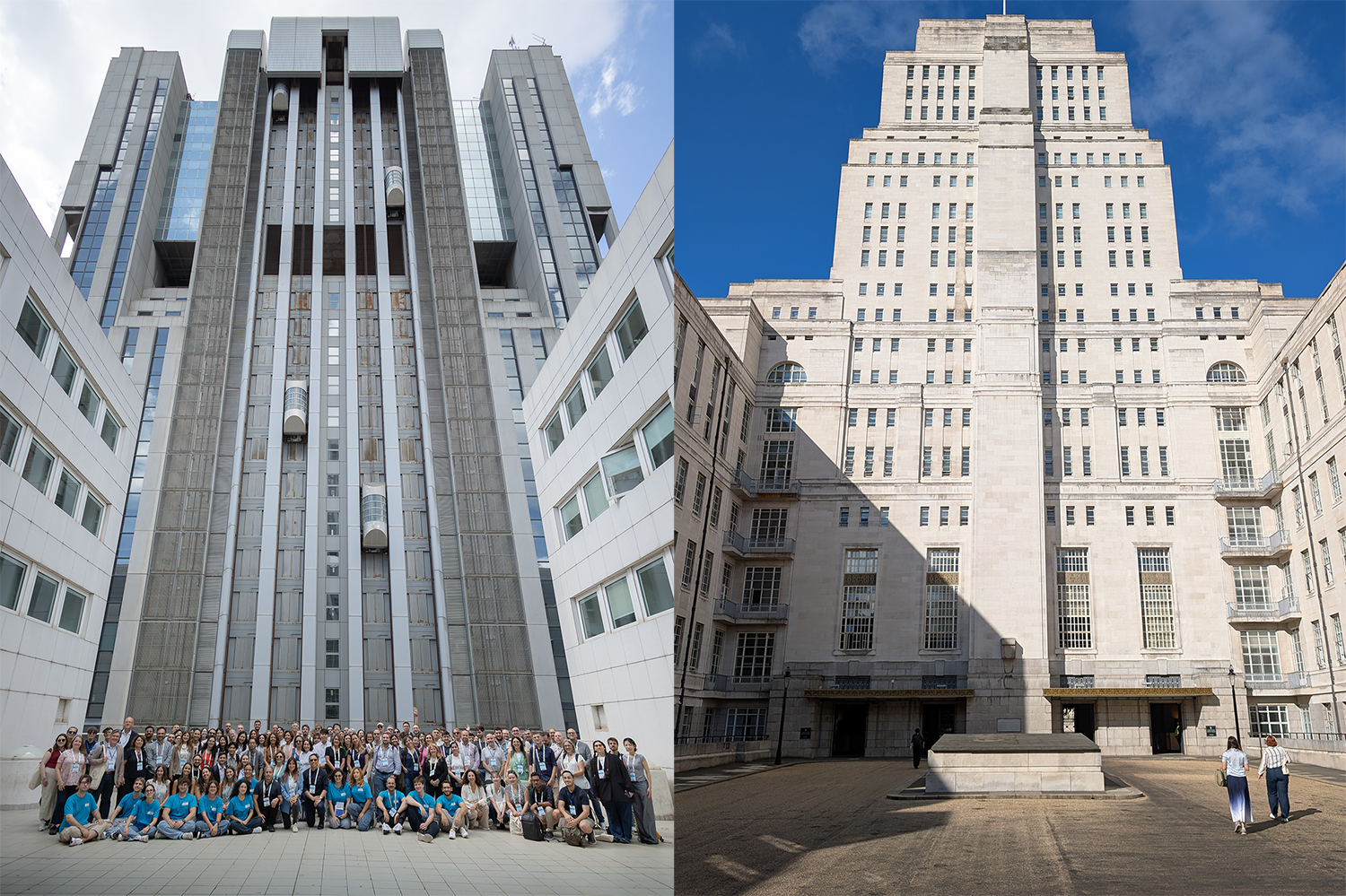
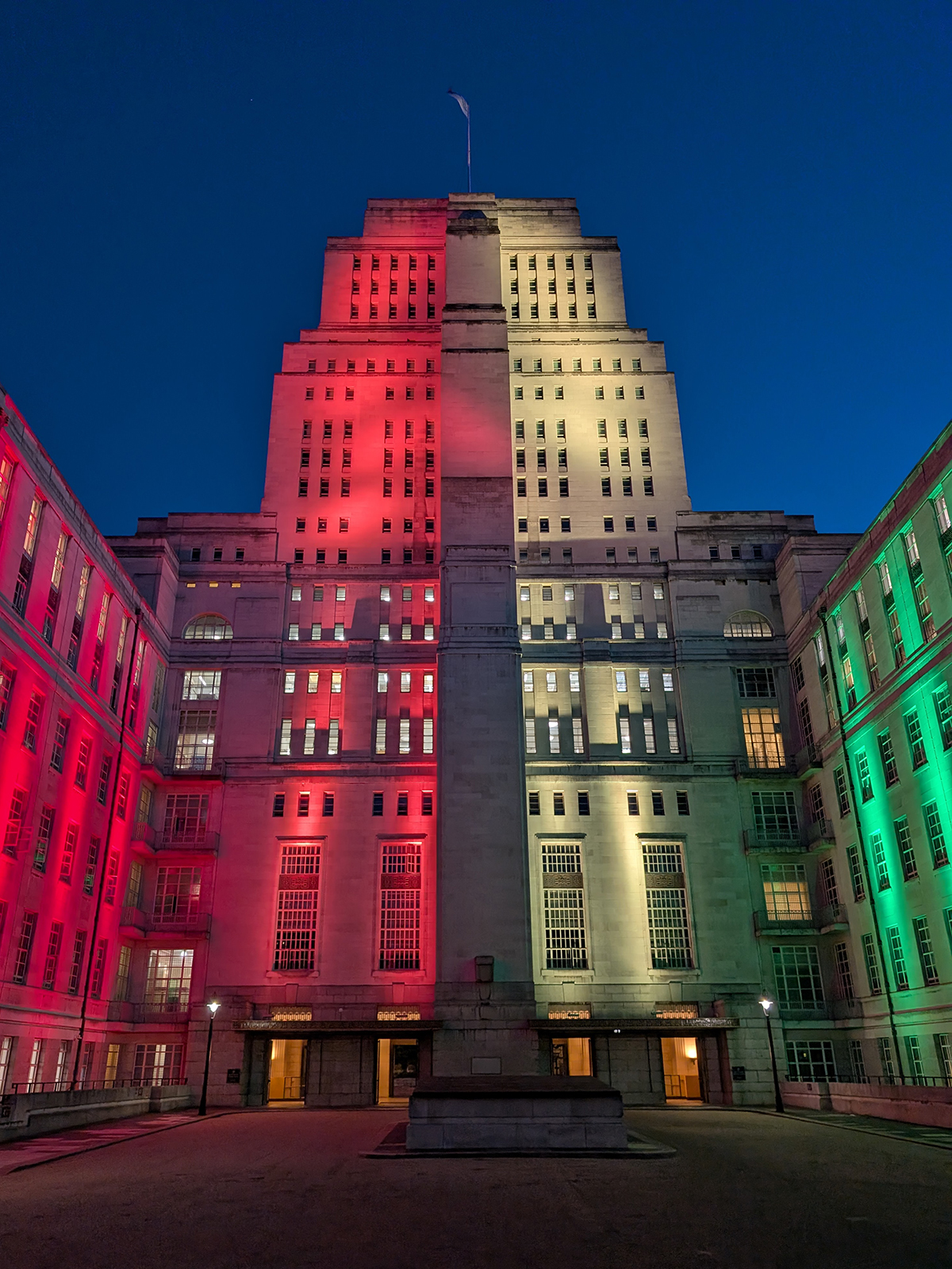
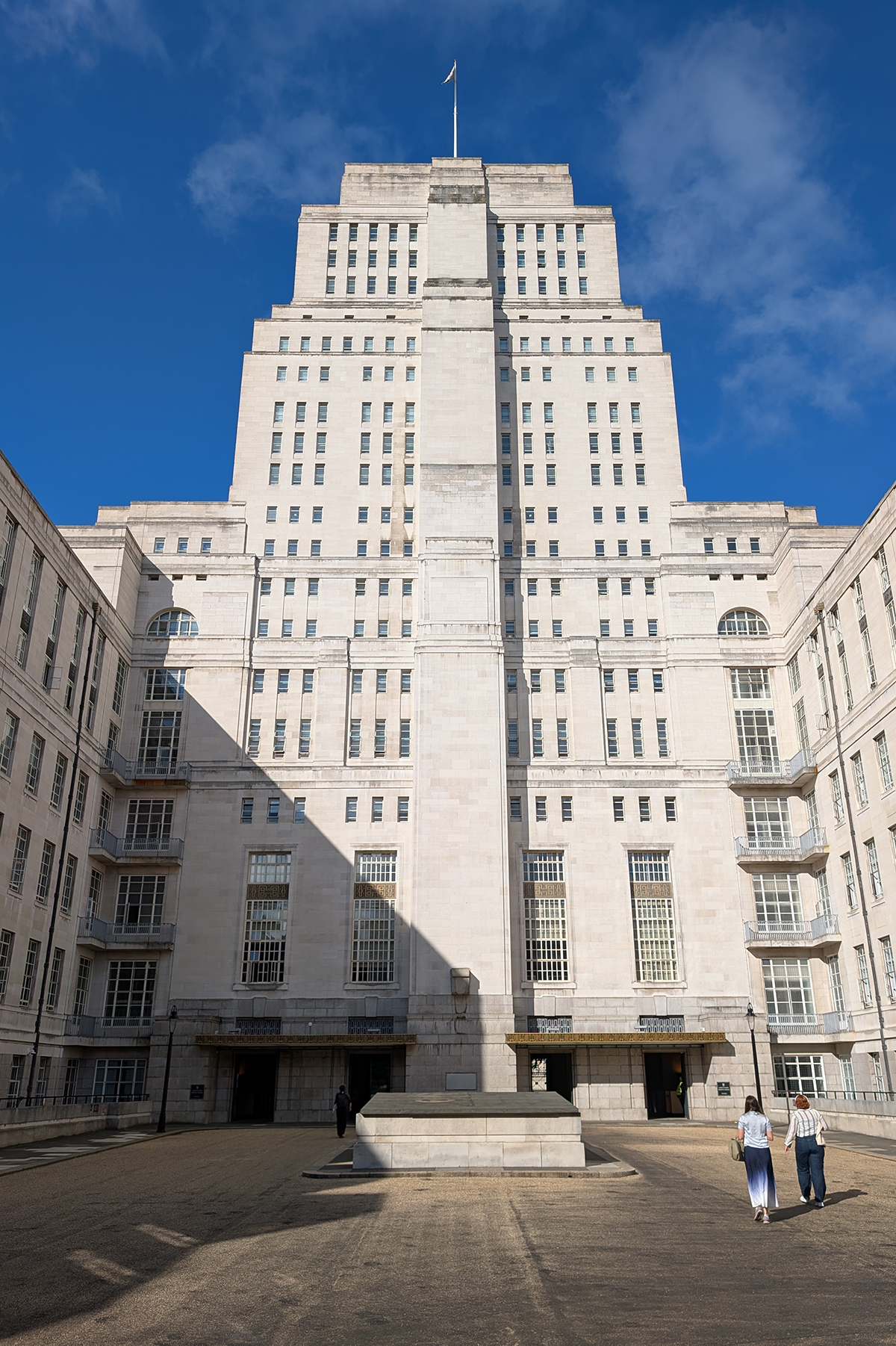
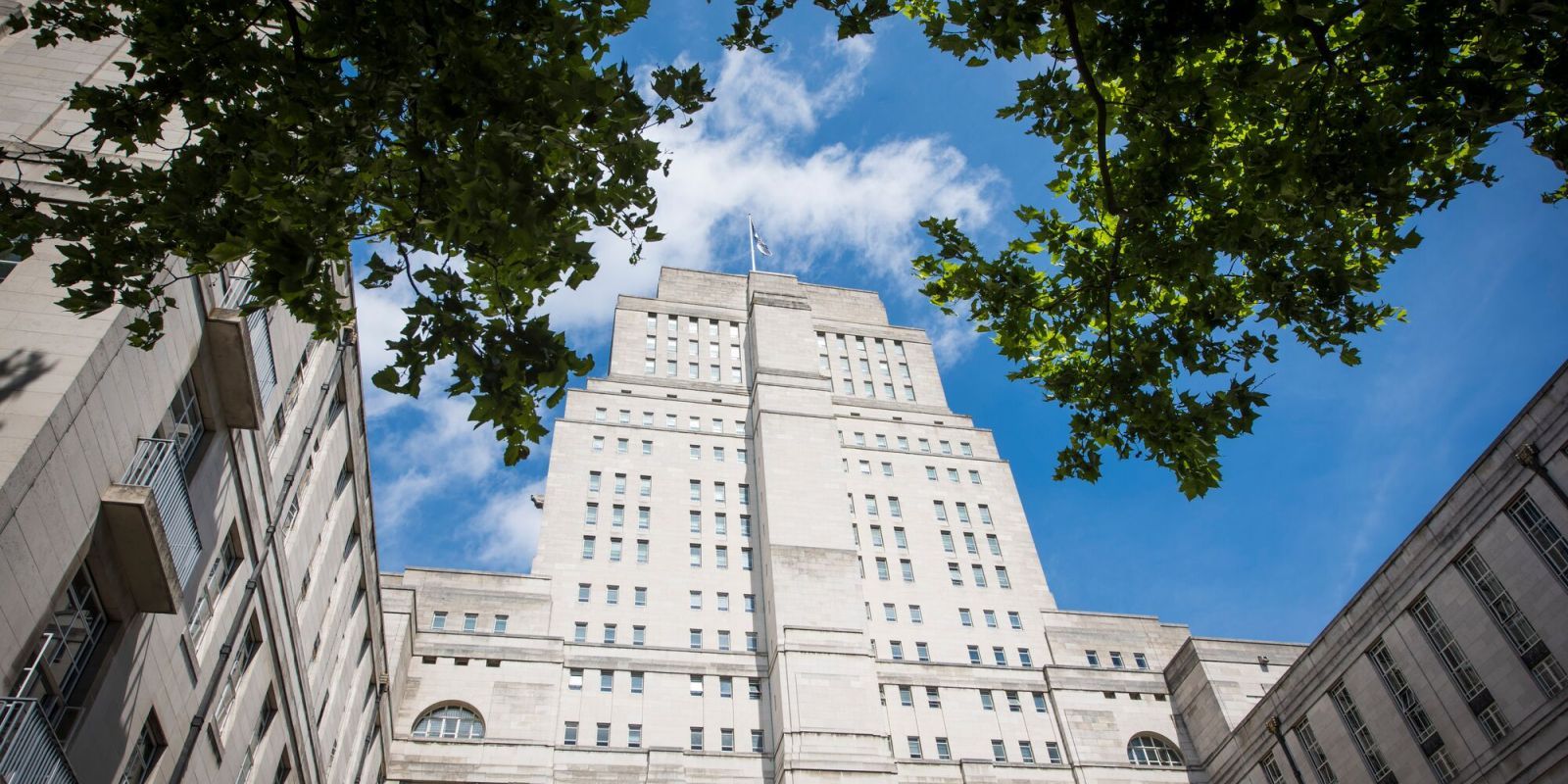
Hosting ICSR + AI 2025 at the University of Naples Parthenope’s campus in the Centro Direzionale and ICSR + Art 2026 at London’s Senate House offers an intriguing architectural juxtaposition. The Parthenope building reflects the late twentieth century’s fascination with technology, functionality, and verticality. Its exposed structural elements, metallic cladding, and dramatic symmetry embody the modernist vision of Naples‘ business district, creating an atmosphere that is distinctly contemporary and forward-looking. In contrast, Senate House, completed in 1937, is one of London’s finest examples of Art Deco monumentalism. Designed by Charles Holden, its clean limestone façades, carefully proportioned massing, and restrained ornament express dignity, permanence, and institutional authority. While both buildings share a striking vertical emphasis and a commanding presence within their respective urban settings, they represent different architectural ideals. The Parthenope campus celebrates innovation and technological expression, whereas Senate House conveys intellectual tradition through timeless geometric order and classical monumentality interpreted in a modern idiom. Although the conference venues were, of course, chosen because they are university buildings rather than for their architectural symbolism, it is nevertheless an appealing coincidence that the futuristic setting of ICSR + AI 2025 is followed by the artistic and historic character of Senate House for ICSR + Art 2026. Together, the two venues provide memorable settings for consecutive ICSR conferences, illustrating how academic exchange can unfold in environments that reflect very different architectural visions.
After four inspiring days, the 18th International Conference on Social Robotics (ICSR + Art 2026) came to a close in London. Hosted at Senate House, part of the University of London in the heart of the city, the conference found a venue that proved to be far more than just a location. In retrospect, the building itself became one of the defining features of the event – its brain, its heart, and its stomach from beginning to end. Each morning, the distinctive silhouette of Senate House served as the landmark, guiding participants as they arrived. Throughout the day, the benches in the square outside became a place to relax between sessions, continue conversations, or simply enjoy a quiet moment in the middle of a busy conference schedule. Inside, every hall contributed its own unique atmosphere. The magnificent Crush Hall, with its grand staircase flanked by the ICSR banners, welcomed attendees and provided the setting for the artistic performances. The spacious Beveridge Hall hosted the main tracks, while the Chancellor’s Hall was home to the special sessions. The McMillan Hall became the social hub during coffee breaks and meals, where scientific discussions blended naturally with informal conversations. Finally, there was the Debate Hall, also known as the Senate Room, whose walls seemed to echo the spirit of past debates, disagreements, and reconciliations. This time, it witnessed encounters not only between people, but also between people and robots. For many visitors, the building was also familiar from popular culture. Senate House has appeared in several major productions, including „Batman Begins“, „The Dark Knight Rises“, „Fast & Furious 6“, „No Time to Die“, and „The Crown“, and is said to have inspired George Orwell’s depiction of the Ministry of Truth in „Nineteen Eighty-Four“. During ICSR + Art 2026, however, it became something different: a living space for science, art, and human interaction – and an unforgettable part of the conference itself.
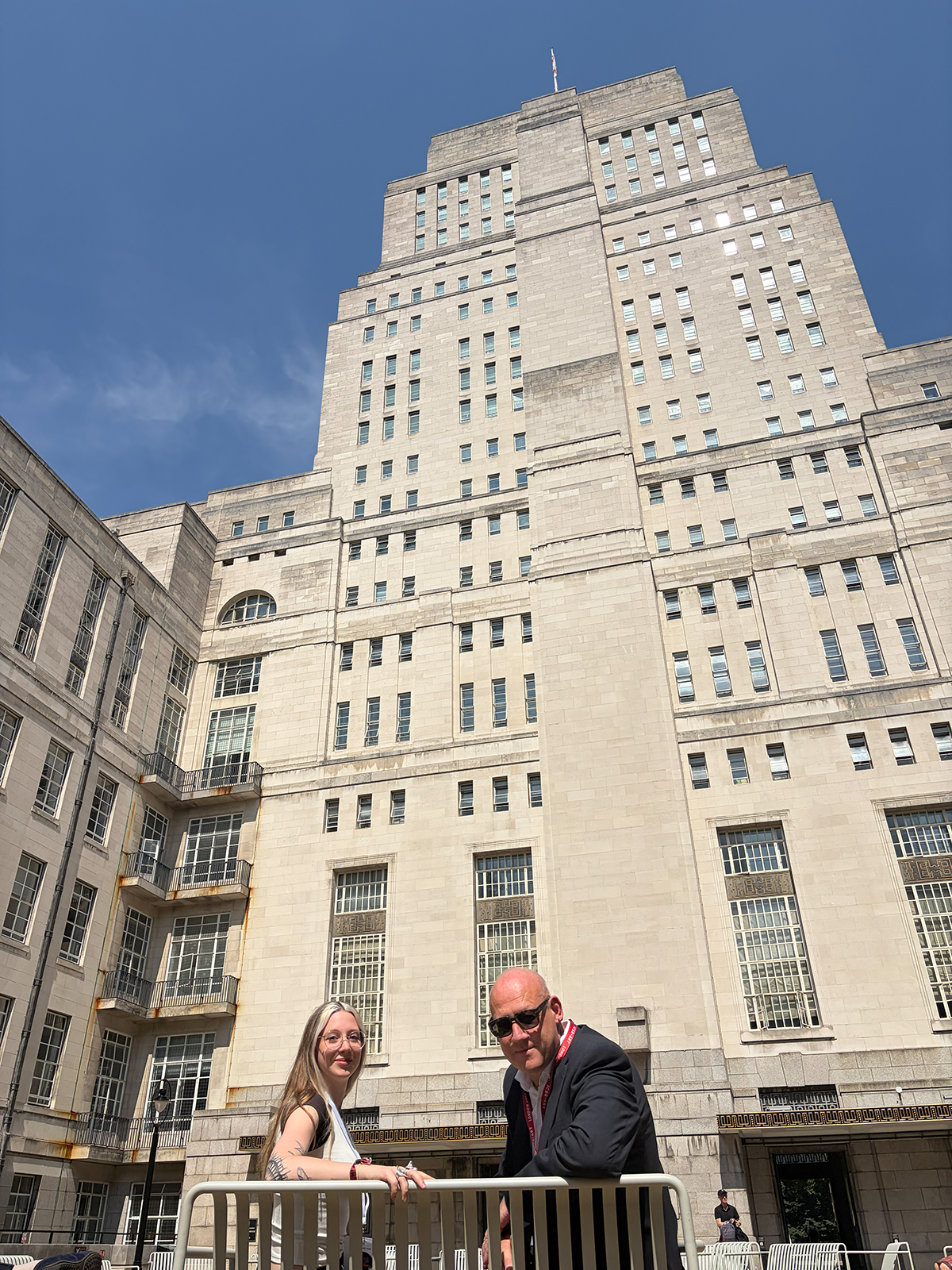
Fig.: Jana Figge and Oliver Bendel in front of Senate House (Photo: Hooman Samani)
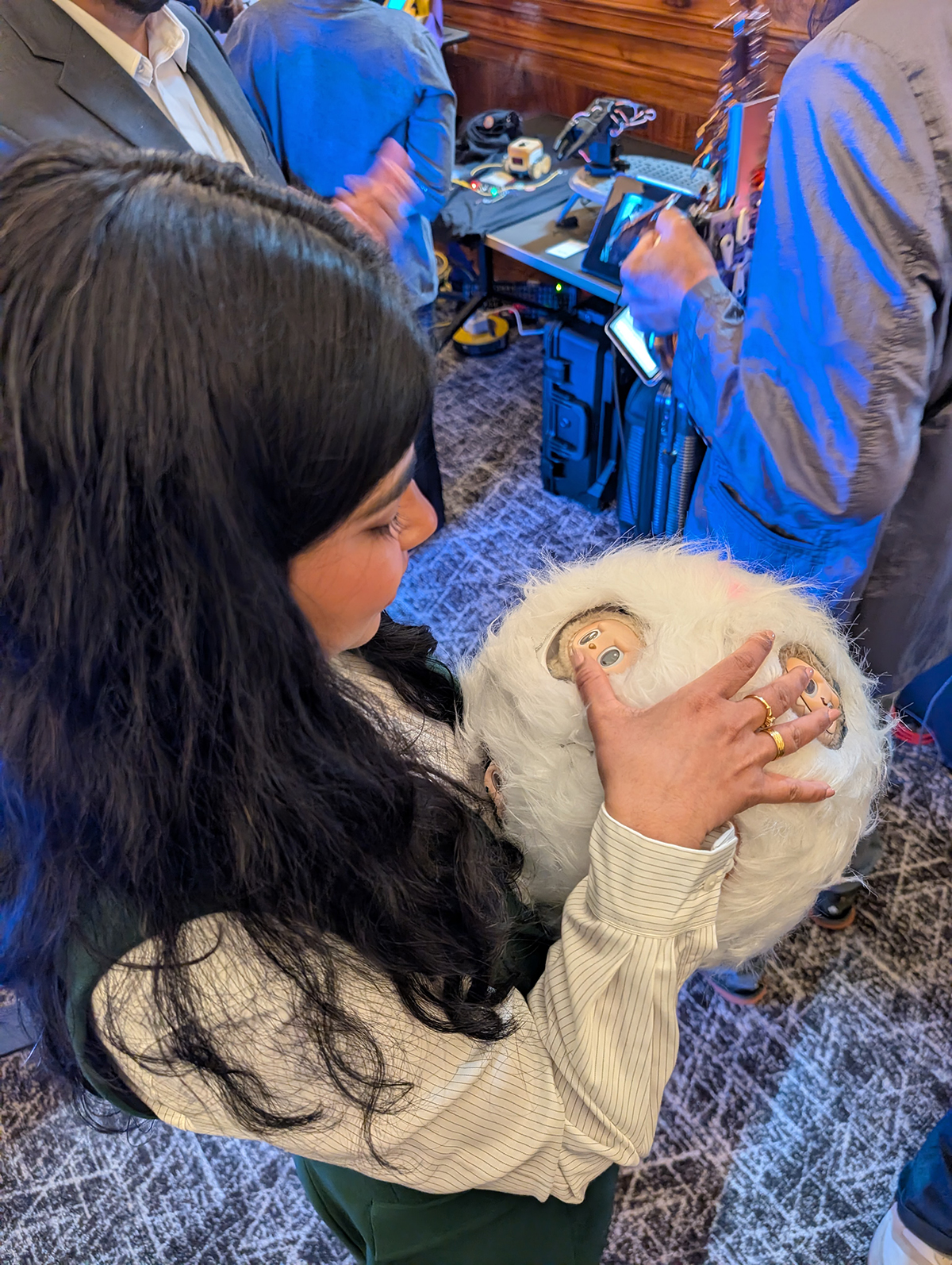
The 18th International Conference on Social Robotics (ICSR + Art 2026) took place from July 1–4, 2026, bringing together researchers, academics, and industry professionals from around the world to discuss the latest advances in social robotics. On the opening day, the ICSR Grand Challenge presentations, including optional demonstrations, took place in the Debate Hall. One of the standout projects was Labububot, presented by Miranda Li and developed by Miranda Li, Jake Read, Dimitar Dimitrov, and Cynthia Breazeal at the Massachusetts Institute of Technology. According to the MIT Media Lab, „This is Labububot — one of the rarest monsters on Earth. Twelve Labubu heads are reconstituted into a single spherical form: a Frankenstein’s Monster of pop culture iconography. Labububot is a playful critique of social robots, and a question made physical – what do the monsters we make reveal about the monsters we are?“ … Instead of following the familiar approach of designing social robots to be cute, friendly, and emotionally unambiguous, Labububot deliberately embraces monster theory and explores the productive potential of the uncanny. From the perspective of Oliver Bendel’s robot classification, Labububot can be regarded as a mythomorphic robot. It consists of twelve monster figures and also belongs to the category of soft robots, although it incorporates rigid structural elements. By combining unconventional design with references to popular culture and fashion, Labububot became one of the most memorable projects presented during the Grand Challenge. Rumor has it that the idea for the spherical monster emerged after its creators had enjoyed a few drinks too many, although this anecdote is best taken as part of the project’s growing mythology rather than established fact.
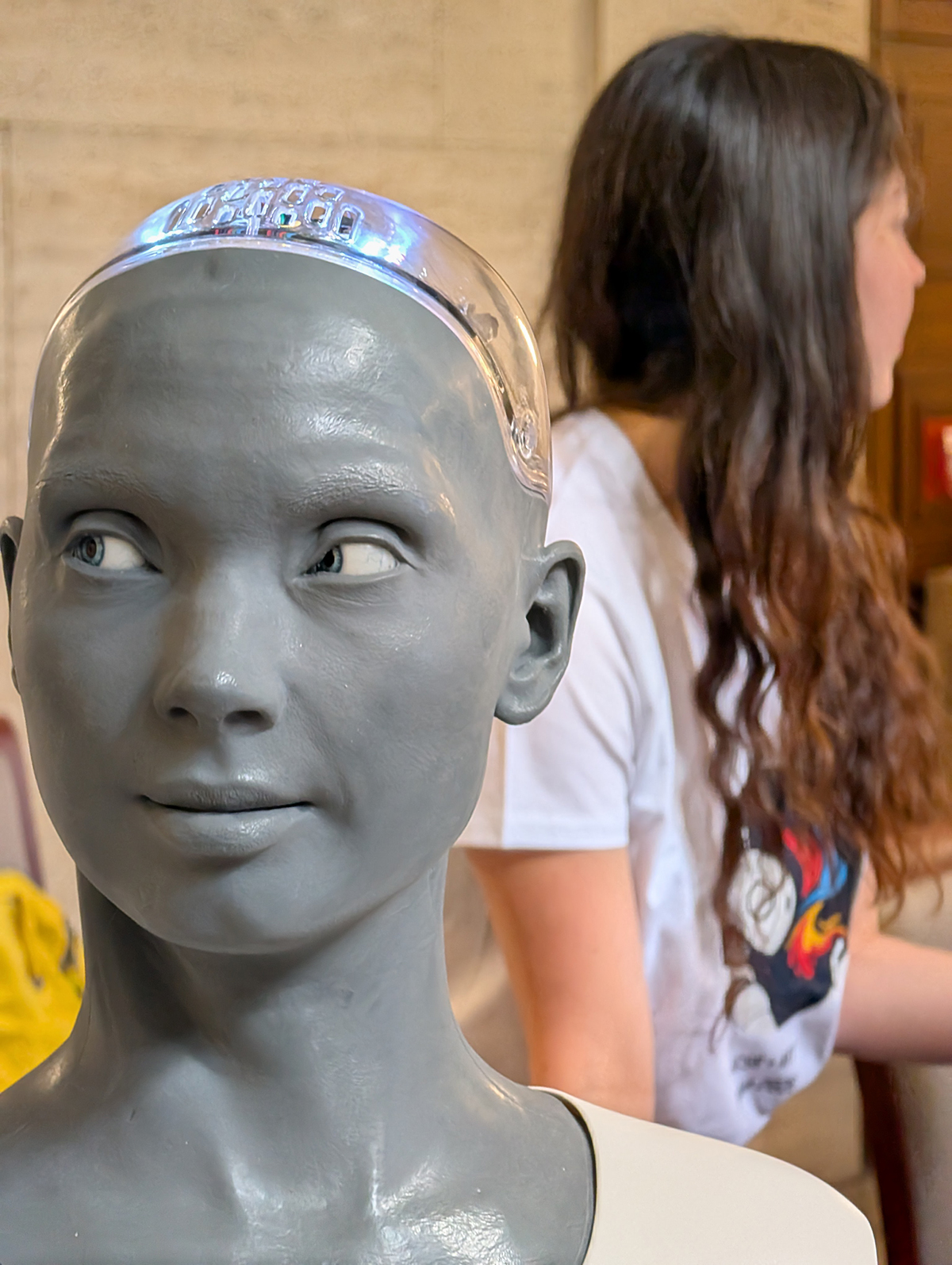
The 18th International Conference on Social Robotics (ICSR + Art 2026) took place in London from July 1–4, bringing together researchers, academics, and industry professionals from around the world to explore the latest advances in social robotics. Among the many impressive humanoid robots on display, both Euclid and Ameca attracted considerable attention, each representing a very different approach to humanoid robotics. While Euclid demonstrated what can be achieved through an innovative low-budget development approach, Ameca showcased the capabilities of a highly sophisticated commercial platform. Developed by the British company Engineered Arts, Ameca is an advanced humanoid robot designed primarily for research into human–robot interaction. Equipped with an artificial intelligence system and 27 facial and motion actuators, it is capable of remarkably lifelike facial expressions and gestures. Ameca comes pre-programmed with more than 50 realistic facial expressions, allowing it to convey a broad spectrum of natural human emotions. Through Engineered Arts‘ web-based Tritium platform, every degree of freedom of its eyes, mouth, eyebrows, and cheeks can be individually customized and fine-tuned, enabling an extraordinary level of expressive precision. Although intended primarily as a stationary platform, Ameca was undoubtedly one of the highlights of ICSR 2026, drawing crowds throughout the conference in the entrance hall of Senate House. Visitors eagerly lined up to take photographs, capturing moments in which the robot appeared face-to-face with people or turned toward them with what seemed like genuine curiosity and openness. Occasionally, Ameca developed a slight cross-eyed gaze, an endearing imperfection that made it seem even more approachable. Its neutral skin tone and deliberately androgynous appearance resist conventional categories of identity, yet with relatively simple enhancements such as a wig or makeup, it could easily be transformed to present a distinctly male or female appearance. Further information is available at icsr2026.uk.
The 18th International Conference on Social Robotics (ICSR + Art 2026) took place in London from July 1–4, bringing together researchers, academics, and industry professionals from around the world to explore the latest advances in social robotics. Hosted by Hooman Samani and Saina Akhond from the University of the Arts London, the conference welcomed around 350 participants who presented their latest research in the main track and special sessions while engaging in lively discussions with both humans and robots in the Debate Room. Teams also competed in the Grand Challenge, showcasing innovative concepts and working prototypes that demonstrated the future potential of social robotics. A series of inspiring keynote presentations explored emerging technologies as well as important methodological questions shaping the field, while robot performances and a memorable robot dance featuring Silke Grabinger added an artistic dimension to the event. Throughout the conference, attendees had the opportunity to meet an impressive range of social robots, including Furhat, Ameca, Euclid, LOVOT, and Mirumi. Furhat and Ameca represented highly expressive humanoid platforms capable of remarkably lifelike interactions, while Euclid attracted particular attention as an open-source humanoid robot built for only a few hundred dollars, proving that affordable hardware can compete with well-known androids such as Sophia and Erika. In contrast, Lovot and Mirumi showcased the softer side of social robotics. Mirumi, a small furry wearable companion robot, charmed visitors with its ability to cling to the handle of a handbag using its tiny arms and is expected to appear soon in pop-up stores, particularly targeting girls and women. On the third evening, after a thought-provoking panel discussion and another series of robot performances, enthusiastic participants left the illuminated Senate House inspired by several days of groundbreaking research, creative collaboration, and a shared vision of how humans and robots will shape the future together. Further information is available at icsr2026.uk.
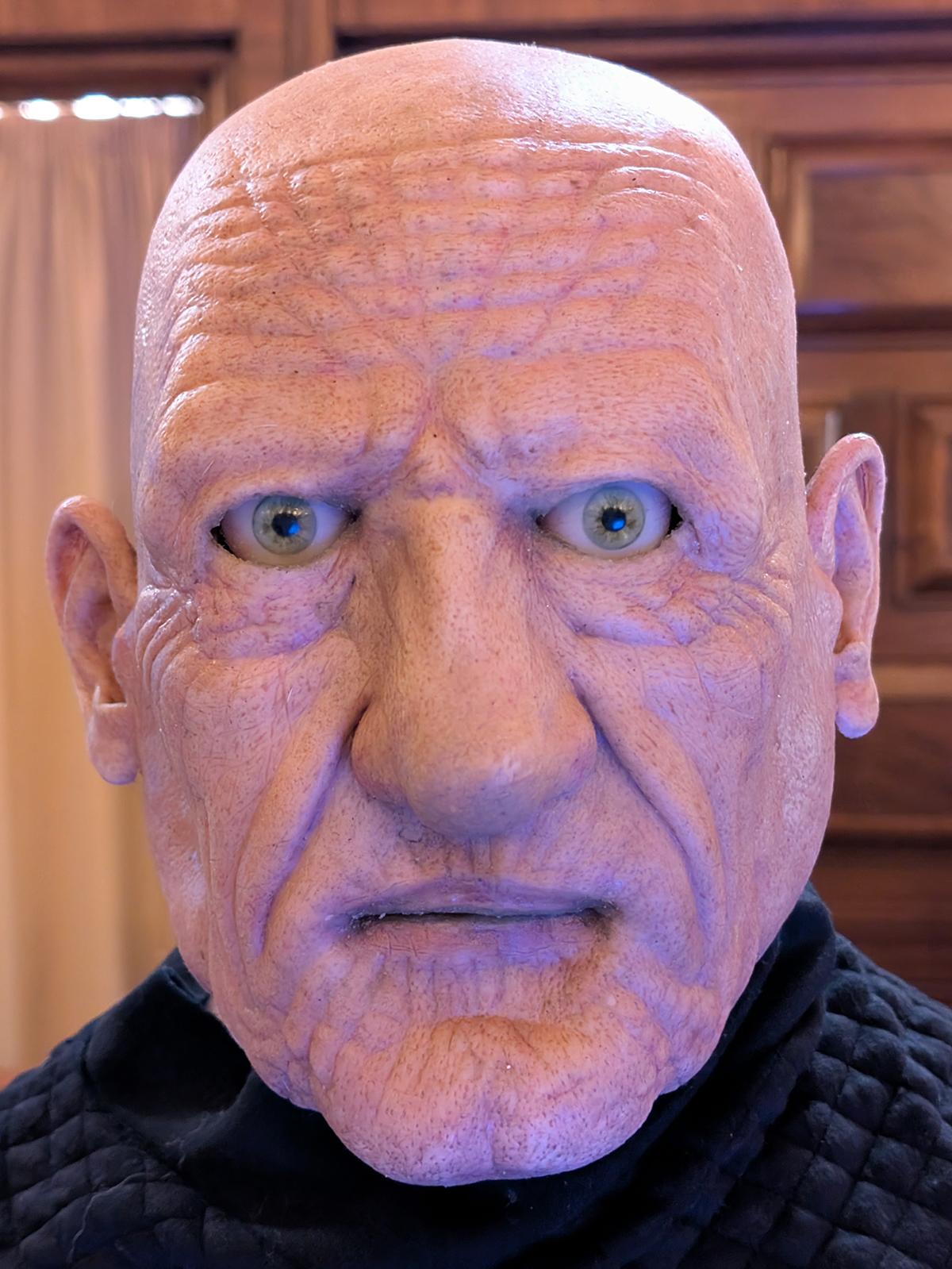
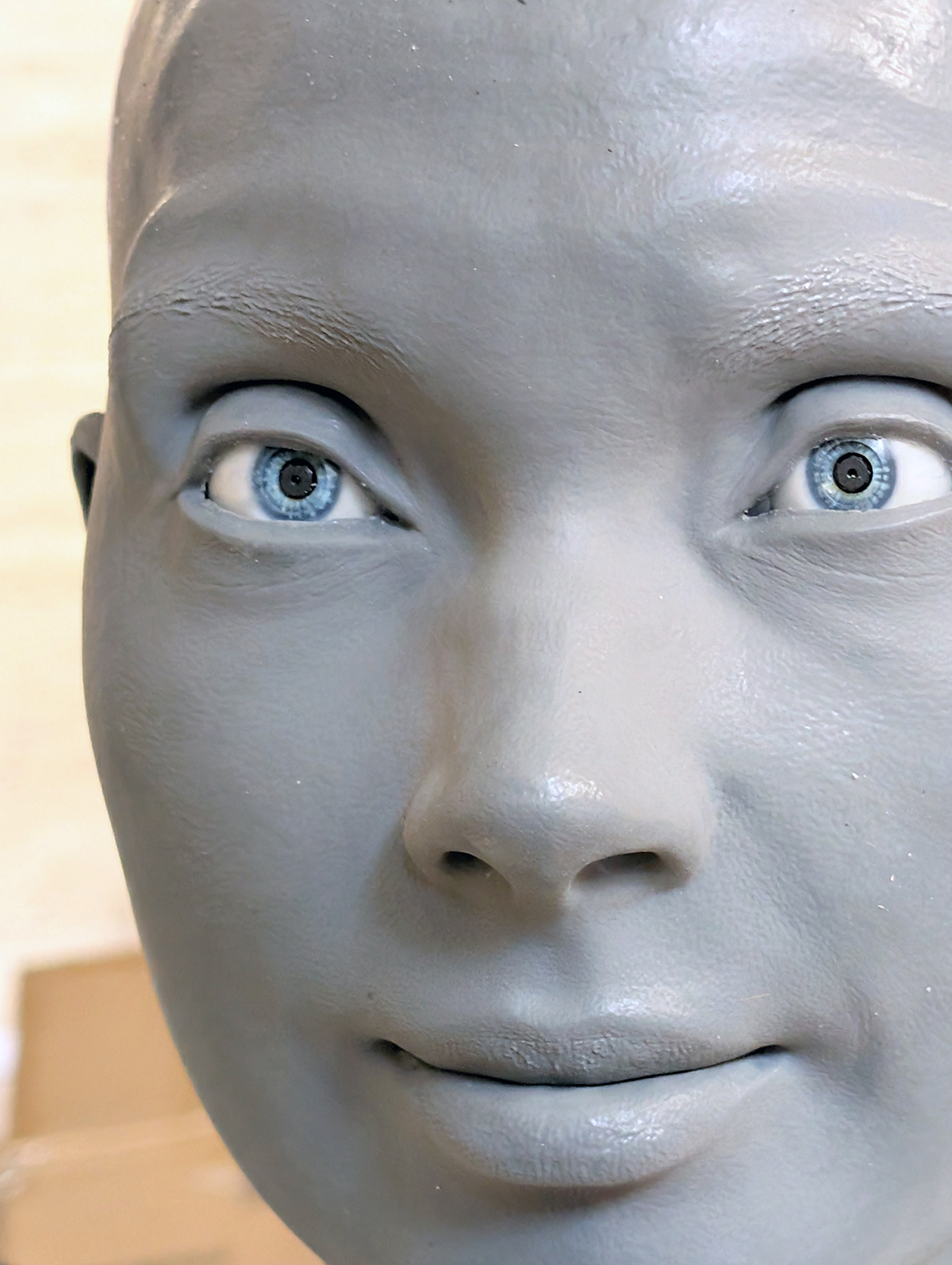
The 18th International Conference on Social Robotics (ICSR + Art 2026) is currently taking place in London from July 1–4, bringing together researchers, academics, and industry professionals from around the world to discuss the latest advances in social robotics. One of the conference formats is a series of debates held in the Debate Hall of Senate House. On the second day, attendees had the opportunity to engage with Euclid, an android developed by Carl Strathearn and Emilia Sobolewska, as part of the session „Innovation Through Creation: The Case for Building Our Own Social Robots for HRI Research“. Euclid is a fully autonomous social robot equipped with automatic speech recognition, computer vision, generative AI, skin sensors, and a robotic mouth that uses machine learning to generate realistic visemes. Designed for social and assistive interactions with older adults, the android demonstrated how advances in artificial intelligence and robotics are enabling increasingly natural human-robot communication while providing a compelling platform for human-robot interaction research. Further information is available at icsr2026.uk and www.carlstrathearn.co.uk.
Fig.: Oliver Bendel and Euclid at ICSR + Art 2026 (Photo: Nihan Karataş)
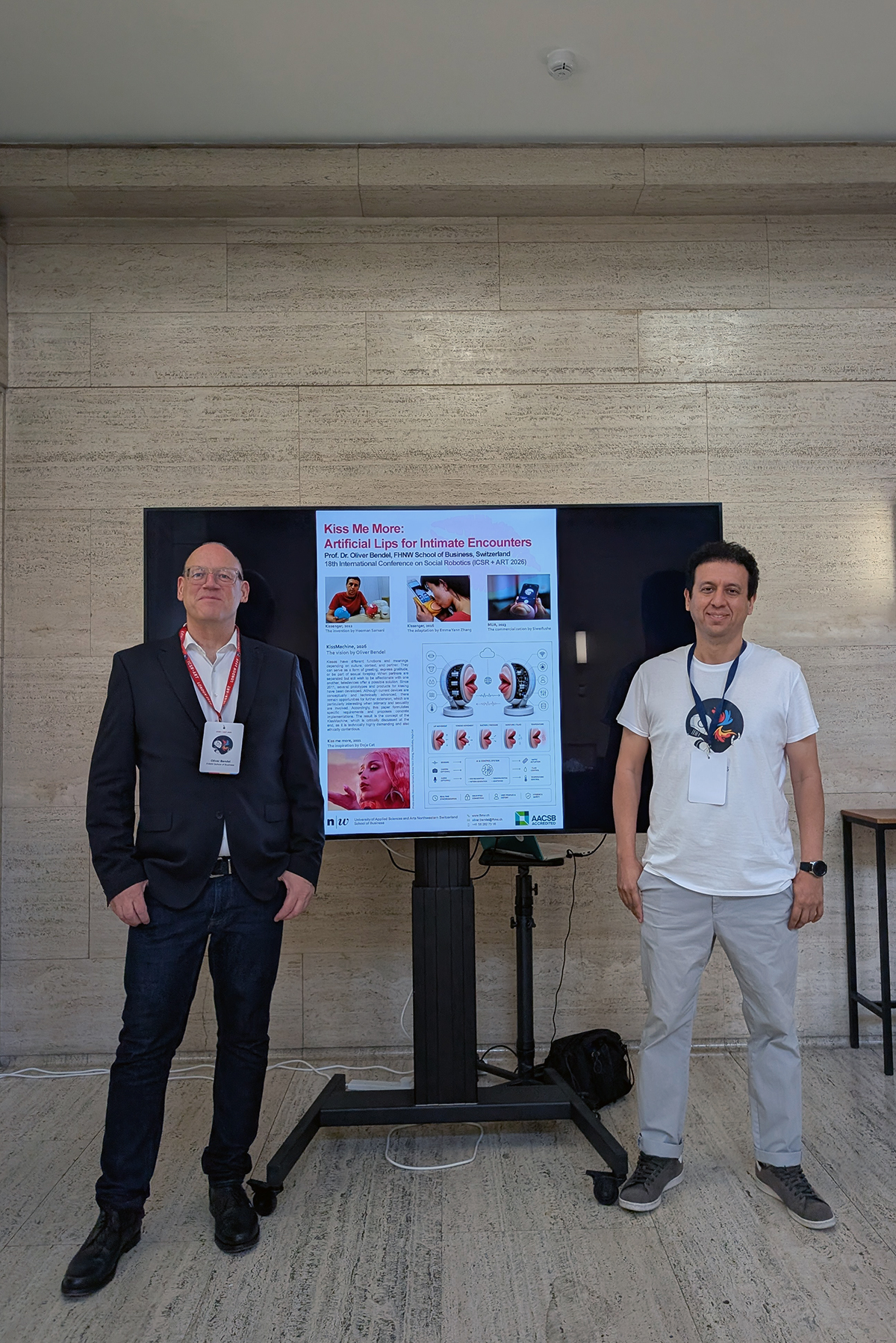
The 18th International Conference on Social Robotics (ICSR + Art 2026) is currently taking place in London from July 1–4, bringing together researchers, academics, and industry professionals from around the world to discuss the latest advances in social robotics. On the second day of the conference, researchers presented their latest work during the poster session, including Oliver Bendel’s paper „Kiss Me More: Artificial Lips for Intimate Encounters“. The title is a tribute to Doja Cat’s hit „Kiss Me More“, reflecting the paper’s focus on technology-mediated intimacy. The paper introduces the concept of the KissMachine, a next-generation telekissing device with artificial lips designed to enable more intimate remote interactions while addressing the technical, social, and ethical challenges of such technology. It also pays tribute to the Kissenger, invented by Hooman Samani in 2012, one of the pioneering telekissing systems that inspired subsequent research in this field. The exchange between Bendel and Samani highlighted both the evolution of telekissing technology over the past decade and the continuing interest in human-centered approaches to social robotics. Further information is available at icsr2026.uk.
Fig.: Oliver Bendel and Hooman Samani at ICSR 2026
On July 1, 2026, the 18th International Conference on Social Robotics (ICSR + Art 2026) officially opened in London. Participants were welcomed by the General Chairs, Hooman Samani and Saina Akhond of the University of the Arts London, as well as by several robots, including the humanoid robot Ameca and the companion robot Lovot. Following registration and breakfast, the conference immediately moved into its scientific program with several parallel sessions. The Main Track Papers were presented in Conference Hall 1 (Beveridge Hall), while Special Sessions took place in Conference Hall 2 (Chancellor’s Hall). At the same time, authors of Short Papers introduced their work during the Teaser Talks in the Debate Hall (Senate Room). Held from July 1–4, 2026, ICSR is the leading international forum for researchers, academics, and industry professionals working in the field of social robotics. This year’s edition places a special emphasis on the intersection of social robotics and the arts, highlighting artistic and creative applications of robotic technologies. In addition to the technical program, the conference features the Robot Fringe Festival, the Grand Challenge, artistic performances, industry events, and numerous opportunities for networking and collaboration with leading researchers and practitioners from around the world. Further information is available at icsr2026.uk.
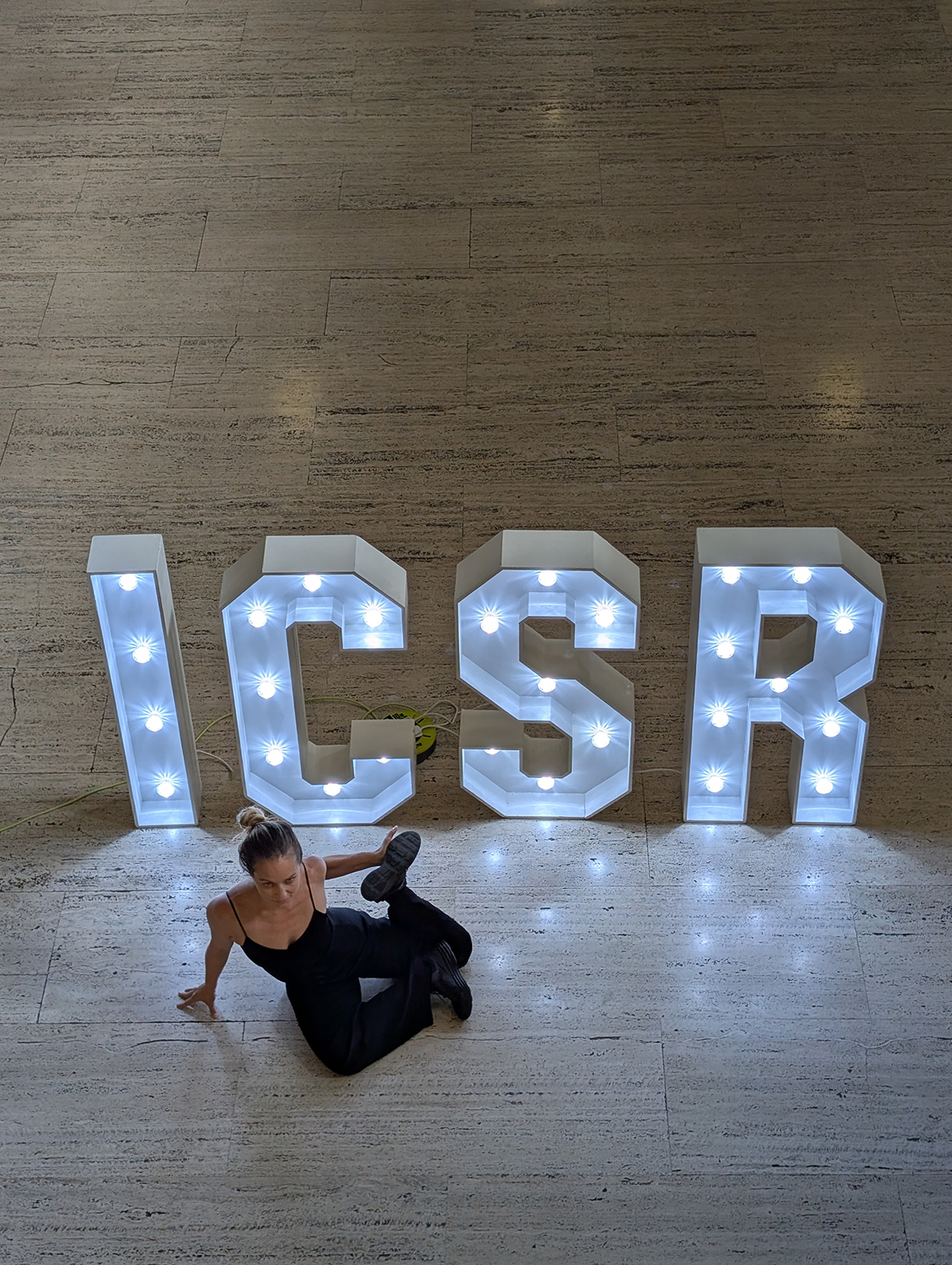
The 18th International Conference on Social Robotics (ICSR + Art 2026) will take place from 1–4 July 2026. ICSR is the leading international forum that brings together researchers, academics, and industry professionals from across disciplines to advance the field of social robotics. This year’s conference combines cutting-edge research in social robotics with a unique focus on artistic and creative applications of robotics. The programme features keynote lectures, paper presentations, workshops, special sessions, debates, exhibitions, competitions, and networking opportunities, reflecting both the scientific and cultural dimensions of the field. Hosted at the historic Senate House of the University of London, ICSR + Art 2026 brings together experts from academia, industry, healthcare, design, the arts, and related disciplines. The conference theme highlights how robots can move beyond traditional functional roles to become creative partners and collaborators. At the same time, the event remains open to the full spectrum of social robotics research, including human-robot interaction, artificial intelligence, ethics, education, assistive robotics, and design. On the eve of the conference, anticipation is building for one of the festival’s artistic highlights. The dancer Silke Grabinger is preparing for her performance at 18:00 on 1 July, where she will share the stage with a robot that carries a deeply personal connection to her own past. Participants can look forward to a diverse programme that includes the Robot Fringe Festival, the Grand Challenge, artistic performances, industry events, and opportunities to engage with leading researchers and practitioners from around the world. Further information is available at icsr2026.uk.
Fig.: Silke Grabinger is preparing for her performance
The 18th International Conference on Social Robotics (ICSR + Art 2026) will take place in London, UK, from 1–4 July 2026. ICSR is the leading international forum that brings together researchers, academics, and industry professionals from across disciplines to advance the field of social robotics. This year’s conference combines cutting-edge research in social robotics with a unique focus on artistic and creative applications of robotics. The programme features keynote lectures, paper presentations, workshops, special sessions, debates, exhibitions, competitions, and networking opportunities, reflecting both the scientific and cultural dimensions of the field. Hosted at the historic Senate House of the University of London, ICSR + Art 2026 brings together experts from academia, industry, healthcare, design, the arts, and related disciplines. The conference theme highlights how robots can move beyond traditional functional roles to become creative partners and collaborators. At the same time, the event remains open to the full spectrum of social robotics research, including human–robot interaction, artificial intelligence, ethics, education, assistive robotics, and design. Participants can look forward to a diverse programme that includes the Robot Fringe Festival, the Grand Challenge, artistic performances, industry events, and opportunities to engage with leading researchers and practitioners from around the world. Please note that the deadline for regular registration is 15 June 2026. Registration details are available at: icsr2026.uk/registration/.
The 18th International Conference on Social Robotics (ICSR + Art 2026) will take place in London, UK, from 1–4 July 2026. ICSR is the leading international forum that brings together researchers, academics, and industry professionals from across disciplines to advance the field of social robotics. The preliminary programme, now available, offers four days of scientific exchange, artistic exploration, and community building, featuring keynote lectures, paper presentations, special sessions, workshops, debates, a Grand Challenge, exhibitions, and a variety of networking opportunities. Reflecting the conference theme ICSR + Art, the programme highlights the growing intersections between social robotics and creative practice through events such as the Robot Fringe Festival, the Rising Stars in Social Robotics event, the premiere performance of Quantwin by Silke Grabinger, the 1001 Nights with Robots Show, Argos, and the Robot Fashion Show, while also covering the full breadth of contemporary social robotics research. Participants will have opportunities to engage with leading experts from academia, industry, healthcare, design, the arts, and other fields. Full details of the programme are available at icsr2026.uk/programme/.
Vom 1. bis 4. Juli 2026 trifft sich die Community der Sozialen Robotik zur 18th International Conference on Social Robotics (ICSR + ART 2026) in London. Getagt wird im Senate House der University of London, einem der bekanntesten akademischen Gebäude Großbritanniens. Forscher, Entwickler, Künstler und Vertreter der Industrie diskutieren dort aktuelle Entwicklungen und zukünftige Perspektiven sozialer Roboter sowie animaloider, humanoider und mythomorpher Gestaltung. Besonders ist in diesem Jahr die Verbindung von Robotik und Kunst. Neben dem wissenschaftlichen Programm bietet die Konferenz mit Formaten wie der Grand Challenge, dem Robot Fringe, den Debates (die mit dem Debate Room einen exklusiven Ort haben) und einem Industry Day zahlreiche Möglichkeiten für Austausch und Erkenntnisgewinn. Die General Chairs Hooman Samani und Saina Akhond, beide von der University of the Arts London, und ihre Mitstreiter von Hochschulen auf der ganzen Welt setzen damit gezielt auf Interdisziplinarität, Innovation und Diskurs. Weitere Informationen sind über icsr2026.uk verfügbar.
The 18th International Conference on Social Robotics (ICSR + Art 2026) will take place in London, UK, from 1-4 July 2026. ICSR is the leading international forum that brings together researchers, academics, and industry professionals from across disciplines to advance the field of social robotics. Hosted at the University of London, this year’s conference is seeking enthusiastic volunteers to help deliver a dynamic international event at the intersection of robotics, society, and the arts. Volunteering offers a valuable opportunity to gain hands-on experience in organizing a major academic conference, connect with global experts, artists, and innovators, attend selected sessions showcasing cutting-edge developments in social robotics, and build essential organizational, communication, and teamwork skills. Ideal for undergraduate and postgraduate students as well as motivated individuals interested in social robotics or related fields, volunteer responsibilities include supporting registration, assisting with session coordination, guiding attendees, helping with technical presentations and demonstrations, and contributing to general event logistics. In return, volunteers will receive free conference access, a certificate of participation, and exceptional networking opportunities with leading professionals in the field. Applications are open now, with priority given to reliable candidates available throughout the full conference period and comfortable working in an international environment. The deadline to apply is 31 May 2026, with successful applicants notified in early June, and early applications are strongly encouraged. The application form and additional information can be found at: icsr2026.uk/volunteer/.
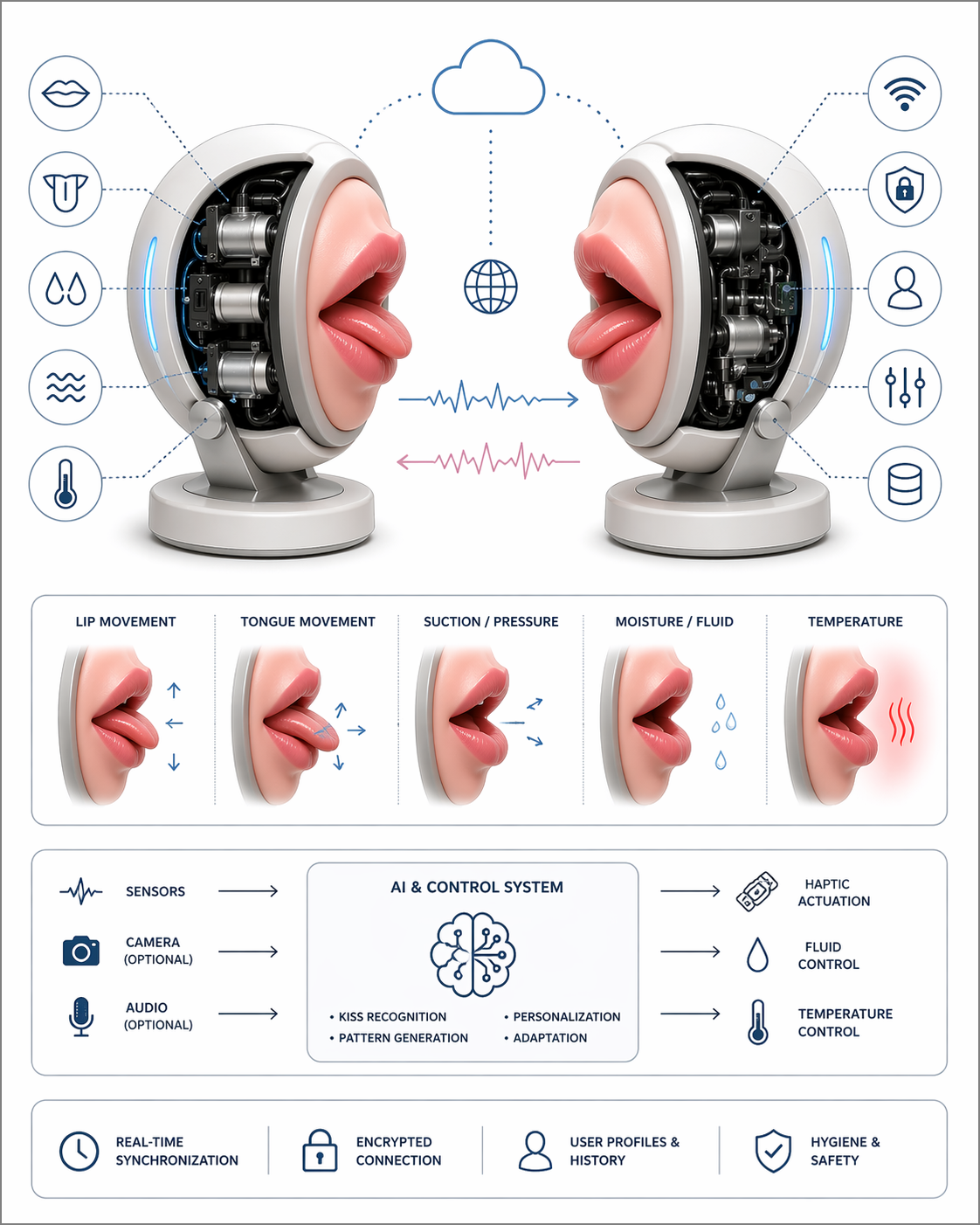
The paper „Kiss Me More: Artificial Lips for Intimate Encounters“ by Oliver Bendel has been accepted at ICSR + Art 2026. Kisses have different functions and meanings depending on culture, context, and partner; they can serve as a greeting, express gratitude, or be part of sexual interaction. When partners are separated but still wish to show affection, teledevices can offer a solution. Since 2011, several prototypes and products for remote kissing have been developed, including the Kissenger, a prototype created by Hooman Samani, to which the present work also pays tribute. Although these systems are already conceptually and technically advanced, there is still room for further development, especially with regard to intimacy and sexuality. The paper therefore formulates specific requirements and outlines possible implementations, resulting in the concept of the KissMachine, which is critically discussed with respect to its technical challenges and ethical implications. The 18th International Conference on Social Robotics will take place in London, UK, from 1–4 July 2026. ICSR is the leading international forum that brings together researchers, academics, and industry professionals from across disciplines to advance the field of social robotics.
Fig.: An illustration of the KissMachine (not part of the paper) (Image: GPT Image 2)
The 18th International Conference on Social Robotics (ICSR + Art 2026) will take place in London, UK, from 1–4 July 2026. ICSR is the leading international forum that brings together researchers, academics, and industry professionals from across disciplines to advance the field of social robotics. The finalists of the ICSR 2026 Grand Challenge have now been announced, showcasing an exciting and diverse range of innovative projects from researchers, artists, and interdisciplinary teams across the globe. This year’s finalists represent institutions from Europe, Asia, North America, and Australia, reflecting the international and creative spirit of the competition. The selected teams will present their work during the first day of the conference on 1 July 2026, with the results and awards to be announced on 3 July 2026. Finalists will also have the optional opportunity to demonstrate their projects during the conference. To support participation in the competition, ICSR offers a special reduced registration rate through the Grand Challenge Competition Finalists Pass, which grants access to the full conference; at least one registration per team is required, and each attendee must hold an individual registration. Further details regarding presentations and demonstrations will be communicated directly to finalists via email. For questions related to the ICSR Grand Challenge, participants may contact Prof. Laura Fiorini at laura.fiorini@unifi.it. A full list of finalists and additional information can be found at: icsr2026.uk/competition-finalists/.
The 18th International Conference on Social Robotics (ICSR + Art 2026) will take place in London, UK, from 1–4 July 2026. ICSR is the leading international forum that brings together researchers, academics, and industry professionals from across disciplines to advance the field of social robotics. As part of the conference programme, ICSR Industry Day will offer a dynamic platform connecting research and industry through a panel debate, a UKRI-led workshop, and a pitch session showcasing emerging robotics start-ups. A key highlight will be the panel discussion „There’s No Place Like Home: Exploring the Next Frontier for Social Robots“, taking place on Friday, 3 July from 2.30-4.00 pm. Bringing together leading voices from industry, the session will examine the growing interest in domestic environments as the next major market for social robotics. While companies increasingly envision robots supporting household tasks, personalised assistance, ageing-in-place, and companionship, the home presents unique challenges as a deeply personal and unpredictable setting where trust, privacy, and reliability are essential. Drawing on firsthand experience in deploying consumer robots, the panellists will discuss both the opportunities and the obstacles of integrating robots into everyday domestic life, addressing issues such as surveillance, dependency, social acceptance, and design limitations. The panel will feature Ira Renfrew, Co-Founder and Chief People Product Officer at Familiar Machines & Magic; Shunsuke Aoki, Founder of Yukai Engineering; Craig Allen, former Chief Creative Officer at Embodied (now Moxie Robots); and Samuel Ader, VP Growth & Supply at Cera (Genie Connect). The discussion will be moderated by Elizabeth Jochum. Together, the speakers will explore how thoughtful, human-centred innovation can help social robots earn a meaningful place in people’s homes and daily lives. Further information and registration details for the Industry Day panel are available at: icsr2026.uk/industry-day/.
The 18th International Conference on Social Robotics (ICSR + Art 2026) will take place in London, UK, from 1–4 July 2026. ICSR is the leading international forum that brings together researchers, academics, and industry professionals from across disciplines to advance the field of social robotics. This year’s conference will feature three distinguished keynote speakers whose work is shaping the future of artificial intelligence, robotics, and human-robot interaction. Hatice Gunes, Professor of Affective Intelligence and Robotics at the University of Cambridge, is internationally recognised for her pioneering research on affective computing, multimodal intelligence, and socially aware AI systems, with a strong emphasis on ethics, fairness, and wellbeing in robotics. Jean Oh, Associate Research Professor at Carnegie Mellon University and Director of the roBot Intelligence Group, is known for her work on collaborative robots, social navigation, and creative physical AI, focusing on developing robots that learn, adapt, and work safely alongside humans in shared environments. Nicolas Heess, Research Scientist and Director at Google DeepMind, leads cutting-edge research on general-purpose robotics and embodied AI, exploring how advances in machine learning, perception, and motor control can bring intelligent robots into the physical world. Together, these keynote speakers represent the forefront of research and innovation driving the next generation of social robotics. Further information on the keynote programme is available at: icsr2026.uk/keynote/.
The 18th International Conference on Social Robotics (ICSR + Art 2026) will take place in London, UK, from 1-4 July 2026. ICSR is the leading international forum that brings together researchers, academics, and industry professionals from across disciplines to advance the field of social robotics. For its 18th edition, the conference will present the special theme ICSR + Art, highlighting how robots can move beyond their conventional roles to become tools, partners, and co-creators within artistic and creative practices. At the same time, the conference remains open to the full breadth of social robotics research, including human-robot interaction, medical and assistive robotics, artificial intelligence and machine learning, ethics, design, education, and cultural applications. Accepted papers will be published in Springer’s Lecture Notes in Artificial Intelligence (LNAI) series and indexed in major academic databases. The conference programme will encompass regular papers, short papers, special sessions, a design and art competition, debates, the Robot Fringe live performance strand, and an Industry Day dedicated to emerging robotics and technology companies. Regular Papers for the main track must follow the submission guidelines provided on the conference website and be submitted via the Springer Meteor system by 6 March 2026. Contributions to Special Sessions should likewise follow the Regular Paper instructions and be submitted to the respective session. Short Papers must comply with the specific Short Paper guidelines and be submitted accordingly. The ICSR Design / Art Competition, proposals for debates, and submissions for the Robot Fringe live robotic performance programme are due by 15 March 2026. Early-stage robotics and technology companies wishing to showcase their work at the Industry Day may apply until 15 May 2026. Further details, submission instructions, and relevant links are available at icsr2026.uk.
The 18th International Conference on Social Robotics (ICSR + Art 2026) will take place in London, UK, from 1–4 July 2026. ICSR is the leading international forum that brings together researchers, academics, and industry professionals from across disciplines to advance the field of social robotics. As part of the conference program, Robot Fringe 2026 offers a dedicated platform for experimental, daring, and imaginative ideas, presented on a performance stage within the supportive and inclusive environment of ICSR+ART 2026 (icsr2026.uk/robot-fringe/). Drawing inspiration from the Edinburgh Festival Fringe – the world’s largest performing arts festival and the origin of a global tradition of fringe and off-festivals celebrating unconventional and small-scale performances (www.edfringe.com) – Robot Fringe embraces creative risk-taking and non-traditional formats across artistic and technological practices. The variety show will take place on the evening of Thursday 2 July at Senate House in London and runs in conjunction with ICSR+ART 2026. The program is curated and hosted by researcher-comedians Heather Knight and Piotr Mirowski. Further information and submission details are available via the ICSR submission page (icsr2026.uk/submission/) and the Robot Fringe website (www.robotfringe.com).
The 18th International Conference on Social Robotics (ICSR + Art 2026) will take place in London, UK, from 1–4 July 2026. ICSR is the leading international forum that brings together researchers, academics, and industry professionals from across disciplines to advance the field of social robotics. The conference has now opened its submission system, and full details can be found on the official ICSR 2026 submission page (icsr2026.uk/submission). Authors are invited to submit to a range of categories. Regular Papers for the Main Track should follow the guidelines provided on the conference website and be submitted by 15 February 2026. Special Session submissions follow the same Regular Paper instructions but are directed to individual sessions listed on the Special Sessions page. Short Papers follow their own dedicated instructions and are submitted through the same system. Competitions and Debates each have their own portals, with submissions due by 1 March 2026. Additional tracks such as the Robot Fringe and Travel Grants will be announced soon. All submission links and instructions are clearly detailed on the ICSR 2026 submission page, ensuring authors have everything they need to prepare their contributions for this major event in social robotics.
Fig.: The Senate House (Photo: University of London)
The 18th International Conference on Social Robotics (ICSR + Art 2026) will take place in London, UK, from 1-4 July 2026. ICSR is the leading international forum that brings together researchers, academics, and industry professionals from across disciplines to advance the field of social robotics. As part of this edition, ICSR 2026 will host a series of live debates in the Debate Room (Senate Room), addressing pressing questions about social robots in society and culture. Debate proposals may focus on conceptual, ethical, scientific, artistic, practical, or societal aspects of social robotics and should connect broadly to the conference topics listed aticsr2026.uk/topics/. Submissions are open to contributors from social robotics, HRI, the arts, design, engineering, the humanities, and related areas, with interdisciplinary proposals particularly encouraged. Formats may include two-sided or multi-position debates, panel discussions, performative debates, or audience-engaged formats. In a nod to British debating traditions, participants are encouraged to wear academic gowns. Proposals are submitted viaicsr2026.uk/debate-proposal, with a submission deadline of 1 March 2026 and notification of acceptance by 15 April 2026.