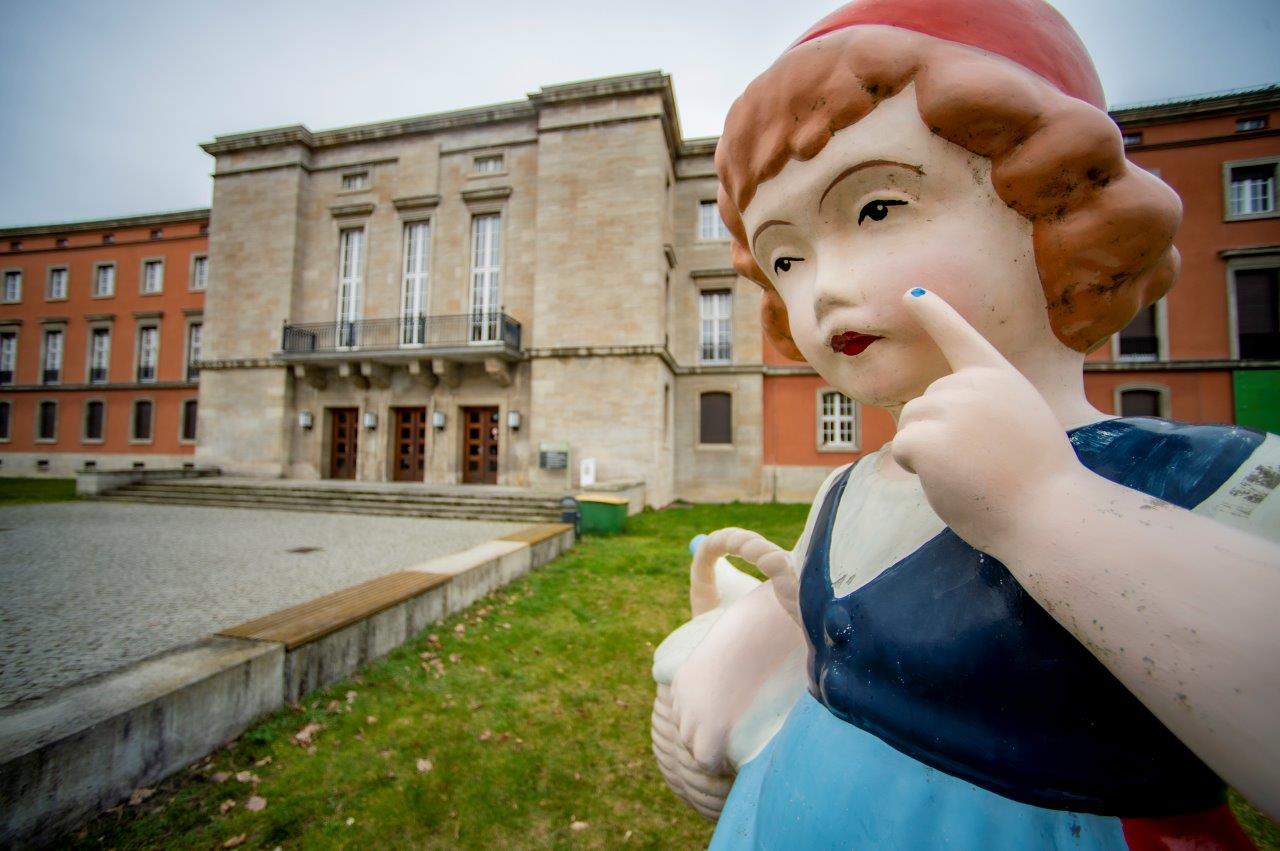
The 19th International Conference on Social Robotics (ICSR + Health 2027) will take place from July 25 to 28, 2027, on the Griebnitzsee Campus of the University of Potsdam in Potsdam, Germany. ICSR is the leading international forum that brings together researchers, academics, and industry professionals from across disciplines to advance the field of social robotics. Hosted by the University of Potsdam, ICSR + Health 2027 will provide an international platform for scientific exchange, interdisciplinary collaboration, and innovation at the intersection of social robotics and health. The conference welcomes researchers, practitioners, industry partners, and students from around the world working in areas such as social robotics, embodied AI, human–robot interaction, cognitive science, healthcare, psychology, rehabilitation, design, ethics, and related disciplines. Participants will have opportunities to present their research, propose workshops or symposia, take part in the Grand Challenge, volunteer, or support the conference as sponsors. The Honorary Chair is Prof. Dr. Martin Fischer, head of the Potsdam Embodied Cognition Group (PECoG). The General Chairs are Dr. Katharina Kühne of the University of Potsdam and PECoG, Prof. Dr. Ilona Buchem of Berlin University of Applied Sciences (BHT), and Prof. Dr. Oliver Bendel of the FHNW School of Business. Bendel is also an associated researcher at PECoG and, starting September 1, 2026, will be a visiting researcher at the University of Potsdam for one year. The General Co-Chair is Prof. Dr. John-John Cabibihan of Qatar University. Further information, including calls for papers, workshops, the Grand Challenge, volunteering opportunities, sponsorship packages, and registration details, will be announced on the conference website: icsr2027.org.
Fig.: Campus Griebnitzsee (Photo: University of Potsdam/Tobias Hopfgarten)
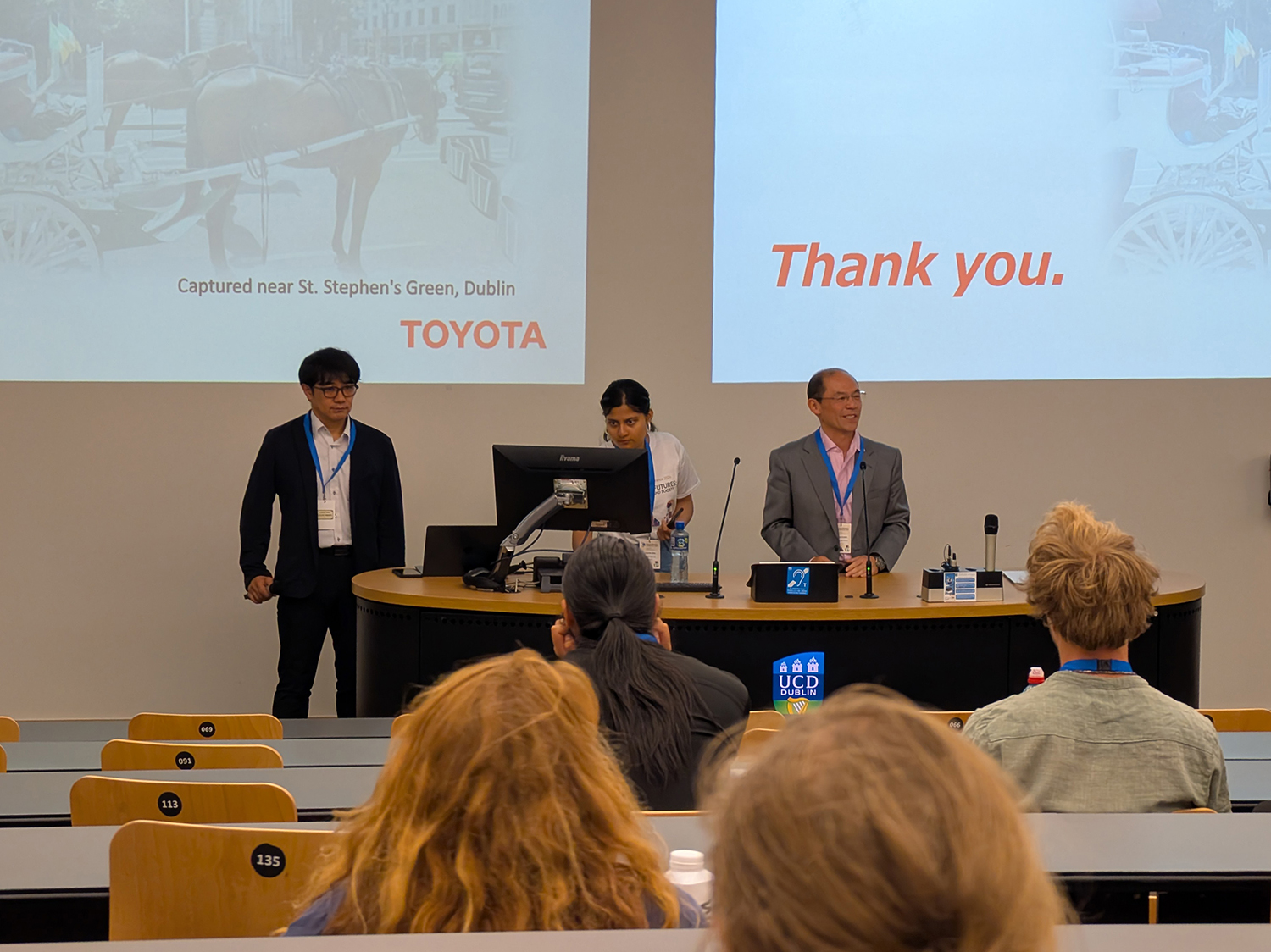
Robophilosophy 2026 opened on August 11 at University College Dublin (UCD) in Dublin, Ireland. Running through August 14 under the theme „Connected Futures – Nature, Robots, and Society“, the conference brings together researchers from across disciplines to explore how robotics and artificial intelligence are reshaping society and our relationship with the natural world. A highlight of the second day was the keynote by Dr. Hideki Kajima of Toyota Motor Europe, introduced with an opening address by H.E. Ambassador Manabu Miyagawa, Ambassador of Japan to Ireland and former Ambassador of Japan to Denmark. Dr. Kajima presented practical examples of robotics and AI research at Toyota, including applications in healthcare, construction, and manufacturing, as well as the use of advanced simulation technologies. At the heart of these efforts is a human-centered approach that goes beyond efficiency, focusing on worker safety, reducing physical and cognitive burdens, and ensuring long-term operational sustainability. His keynote emphasized that robots and AI should not simply be understood as tools, but as integral parts of broader social systems. Against the backdrop of rapidly advancing AI, Dr. Kajima also addressed the responsibilities and opportunities facing industry and the importance of aligning technological innovation with human values and societal well-being. With a background in robot motion control and extensive experience developing Toyota’s Human Support Robot and other robotic systems, Dr. Kajima now leads the planning and promotion of advanced research strategies at Toyota Motor Europe. His keynote was supported by the UCD College of Social Sciences and Law, the UCD Geary Institute for Public Policy, the UCD Centre for Japanese Studies, the Embassy of Japan to Ireland, and the UCD School of Computer Science.
Fig.: Dr. Hideki Kajima after his talk (on the left)
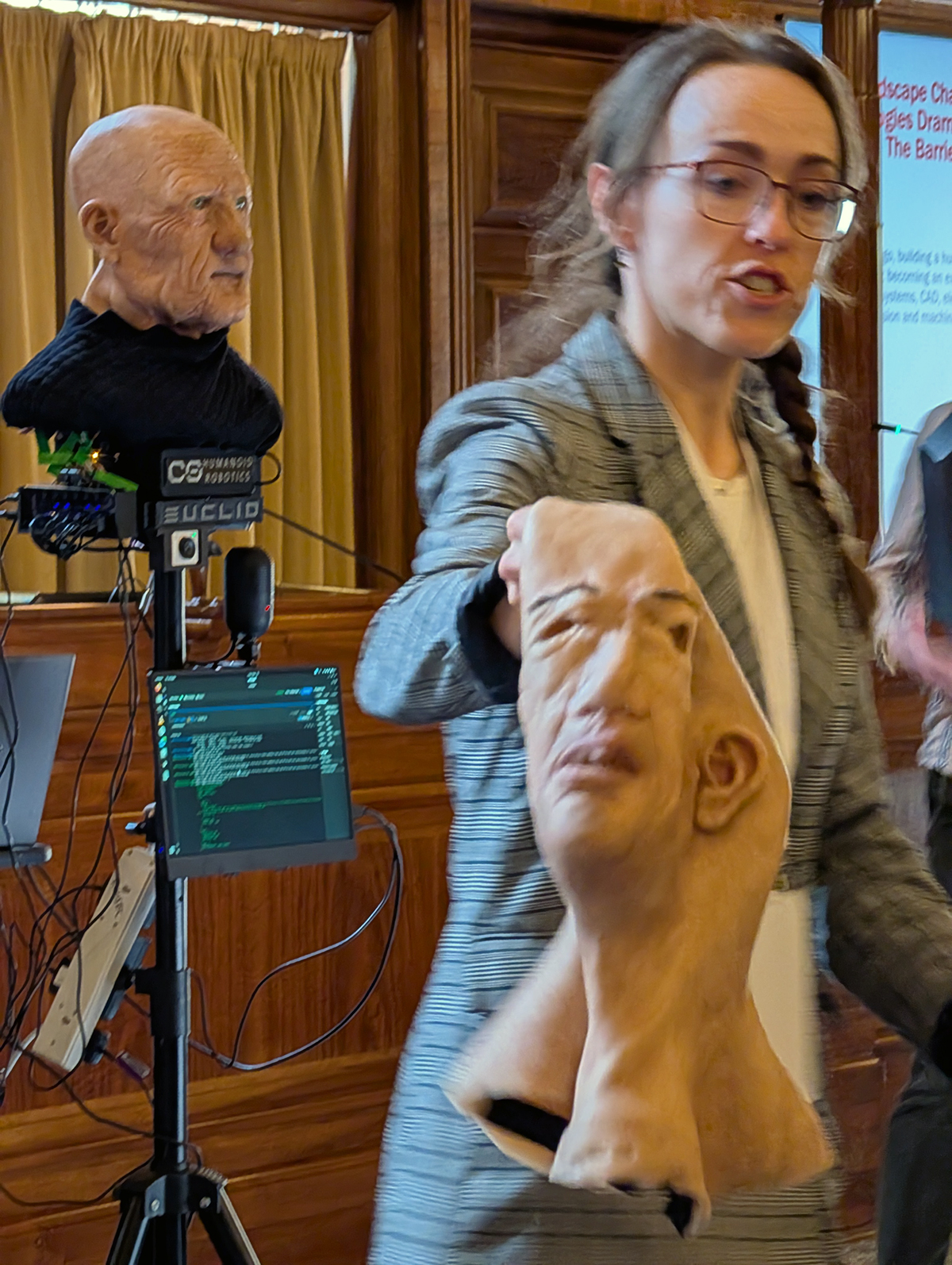
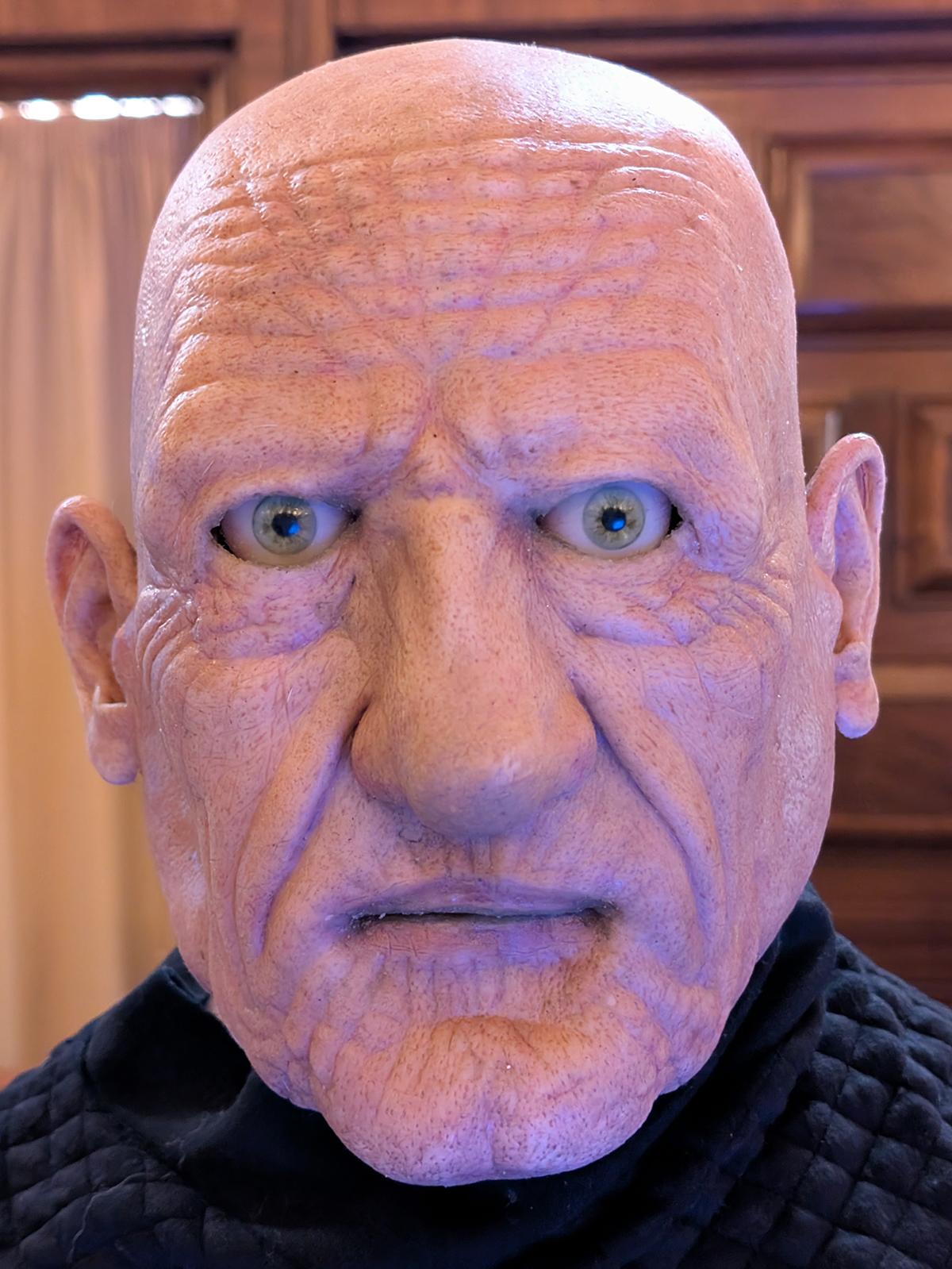
On June 19, 2024, Oliver Bendel gave a presentation at the IDEepolis 2024 conference in Stuttgart entitled „Es wird ein Mensch gemacht: Die Vision des universellen Roboters“ („A Human Is Being Made: The Vision of the Universal Robot“). The scholar of German studies and philosophy opened his talk with a quotation from Goethe’s „Faust II“: „MEPHISTOPHELES: Willkommen! es ist gut gemeint. WAGNER: Willkommen zu dem Stern der Stunde! Doch haltet Wort und Atem fest im Munde, Ein herrlich Werk ist gleich zustand gebracht. MEPHISTOPHELES: Was gibt es denn? WAGNER: Es wird ein Mensch gemacht.“ („MEPHISTOPHELES: Welcome! It is well meant. WAGNER: Welcome to the star of the hour! But hold your words and your breath, A magnificent work is about to be completed. MEPHISTOPHELES: What is it then? WAGNER: A human is being made.“). Oliver Bendel then explained what general-purpose robots are and how they could evolve into universal robots. He also discussed androids such as Harmony. At ICSR 2026, he encountered Euclid, another android, developed by Dr. Carl Strathearn, Assistant Professor of Computer Science, and Emilia Sobolewska, Lecturer and Researcher. It was Emilia Sobolewska who, in the Debate Hall of the Senate House, playfully twirled a piece of facial skin before placing it into the hands of the session participants. Oliver Bendel kneaded the face in his hands and thought: „Es wird ein Mensch gemacht!“ („A Human Is Being Made!“). The article based on the presentation will be published later in 2026 in the book „Mensch – Maschine revisited“ („Human – Machine Revisited“), edited by Petra Grimm, Kai Erik Trost, and Oliver Zöllner.
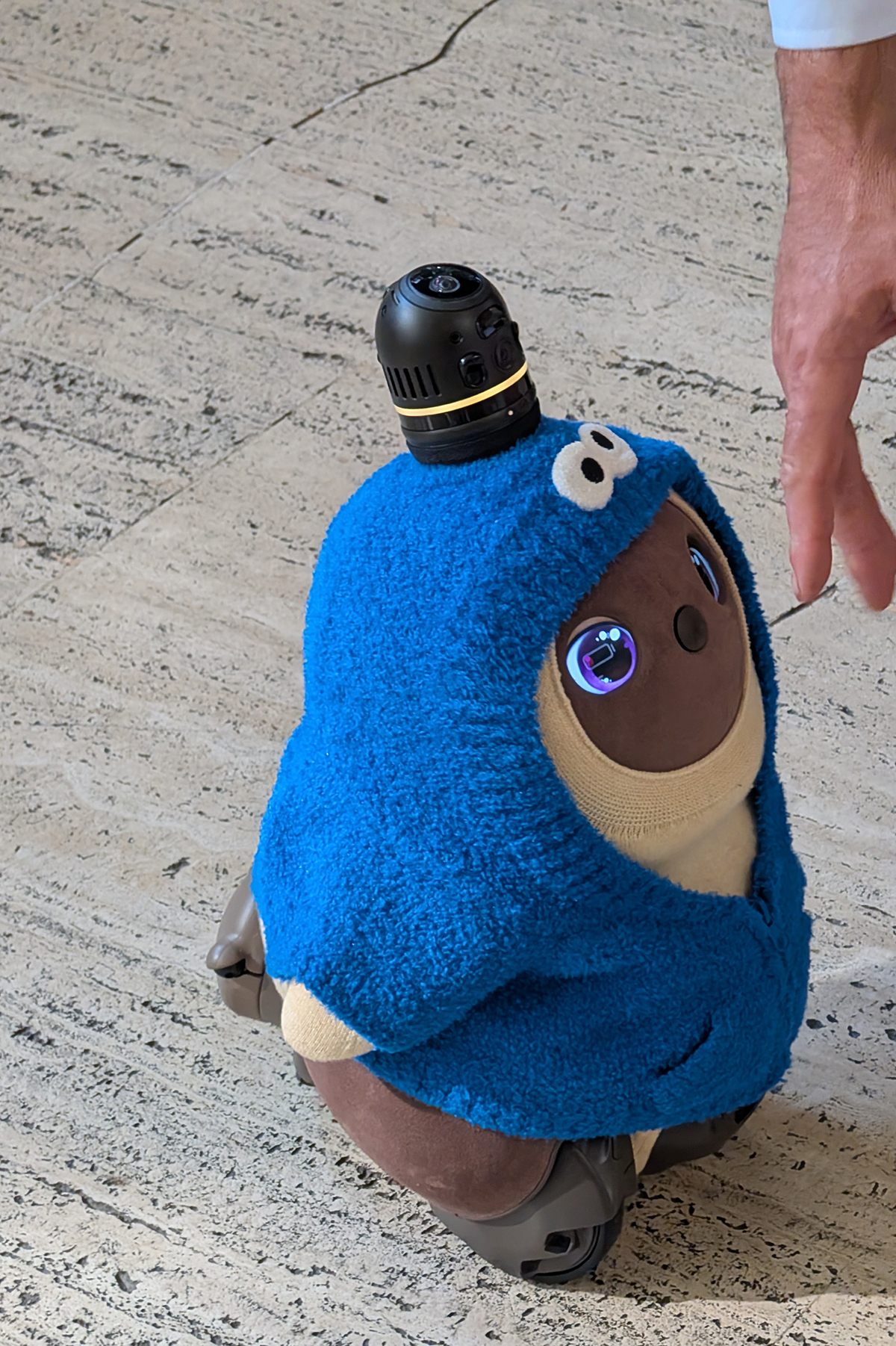
The 18th International Conference on Social Robotics (ICSR + Art 2026) took place in London from July 1–4, bringing together researchers, academics, and industry professionals from around the world to explore the latest advances in social robotics. As in previous years, the conference featured an extensive and impressive exhibition showcasing a wide range of social robots and related technologies. Among the highlights was LOVOT, the companion robot developed by GROOVE X, which exemplifies the concept of Emotional Robotics by focusing not on productivity but on strengthening the human capacity for affection and attachment. Equipped with more than 50 sensors, multiple processors, deep learning capabilities, cameras, microphones, touch sensors, and autonomous navigation, LOVOT continuously perceives its environment and adapts its behavior in real time rather than following fixed scripts. Its expressive eyes, lifelike vocalizations, and highly responsive movements create the impression of interacting with a living creature. Particularly striking are its exceptionally soft body and its warm surface, maintained at a temperature similar to that of a human, making holding and hugging the robot feel surprisingly natural. Another remarkable aspect is Robot Enhancement through clothing and accessories. LOVOT can be dressed in a wide variety of outfits, allowing owners to personalize its appearance and reinforce their emotional bond with the robot. This combination of advanced artificial intelligence, sophisticated sensing, physical softness, warmth, and customization makes LOVOT one of the most distinctive examples of contemporary social robotics.
In his paper „Love Dolls and Sex Robots in Unproven and Unexplored Fields of Application“, published in Paladyn, Journal of Behavioral Robotics, Oliver Bendel of the FHNW School of Business discussed prisons as one of several potential application areas for such products. In 2024, his student Tamara Siegmann proposed exploring the use of collaborative and social robots in correctional facilities, focusing on whether they could and should be deployed in such environments. Together with Oliver Bendel, she wrote the paper „Social and Collaborative Robots in Prison“ for the International Conference on Social Robotics (ICSR) in Odense, which was published in the 2025 Springer ICSR proceedings. This work subsequently inspired Jean Paul Smit of Delft University of Technology and his co-authors to write the paper „Social Robot Supporting Visitor Mood and Staff Situation Awareness in a Security Waiting Room“, which he presented at ICSR + Art 2026 in London. The paper describes the development and evaluation of a social robot designed to improve visitors‘ emotional well-being in security waiting rooms while supporting staff through enhanced situation awareness. In 2025, Tamara Siegmann submitted a proposal to a Swiss funding organization based on the prison robotics research. As part of the initiative, inmates at a Swiss correctional facility will receive access to an offline chatbot serving as a companion. The chatbot was developed by Stephan Vonschallen with feedback from Tamara Siegmann and Oliver Bendel, and the project has now entered its main implementation phase. At ICSR + Art 2026, several researchers expressed strong interest in the prison-related projects, suggesting that this promising area of research is likely to receive growing attention in the years ahead.
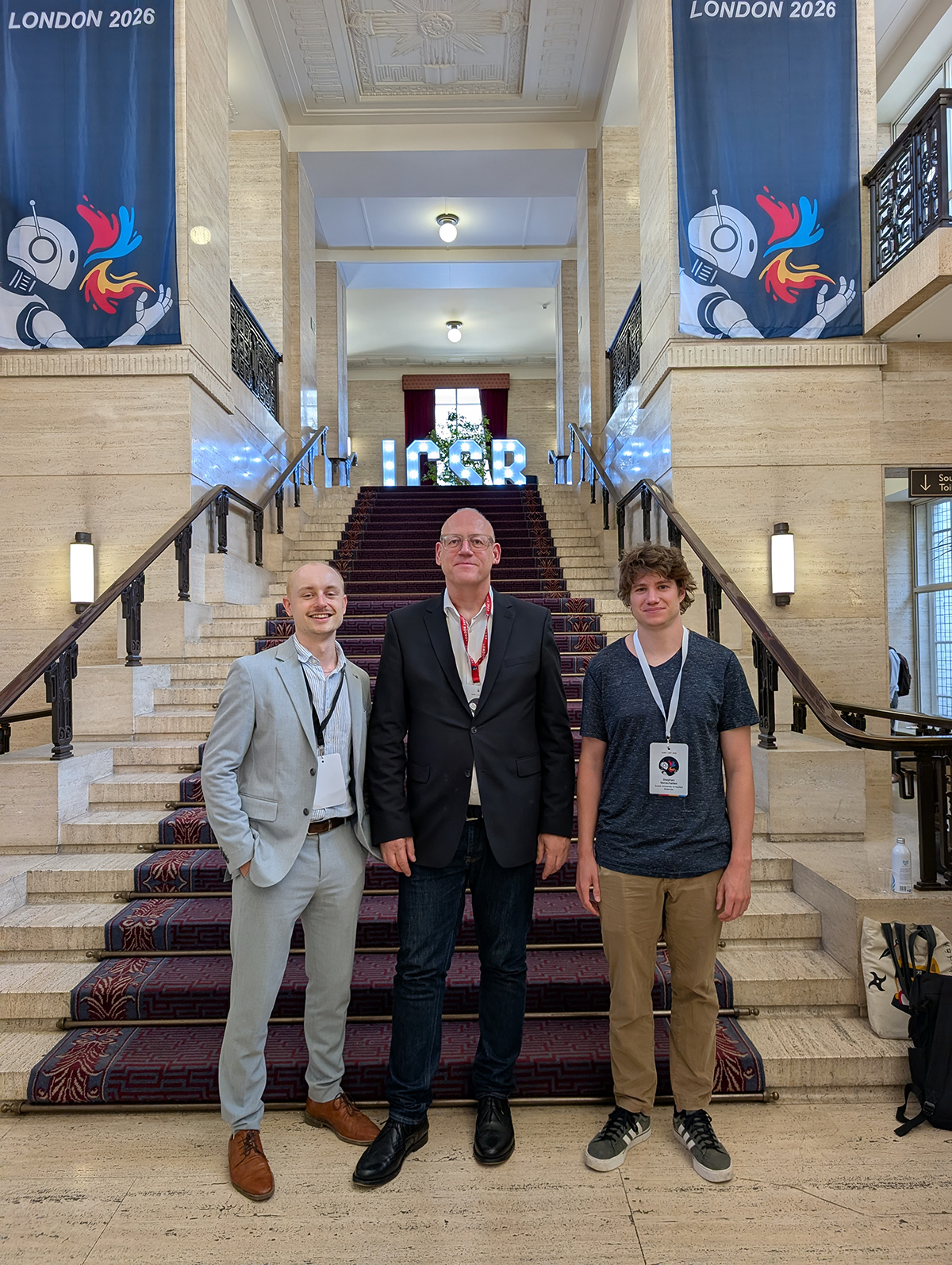
Fig.: Jean Paul Smit, Stephan Vonschallen, and Oliver Bendel at ICSR 2026
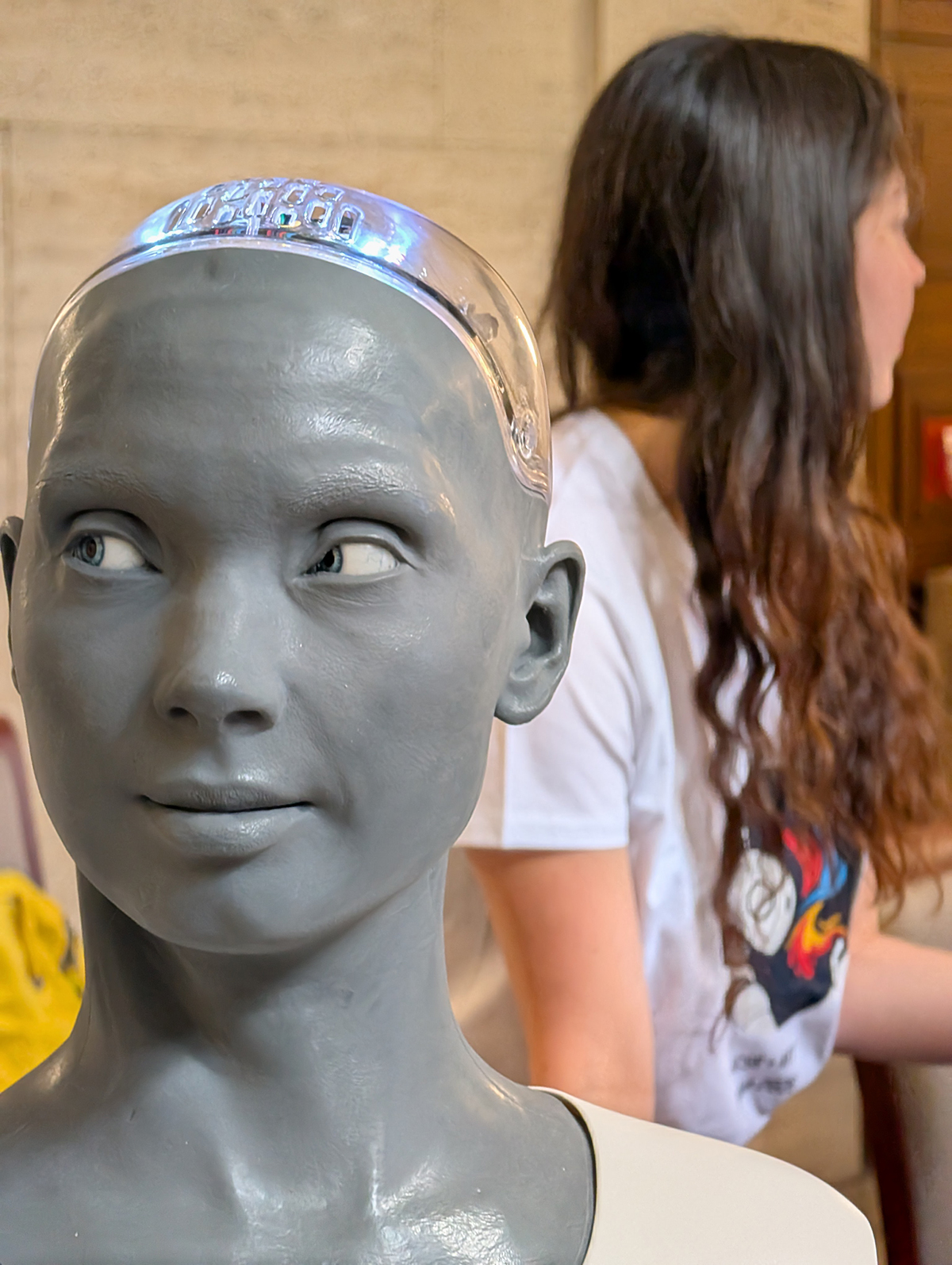
The 18th International Conference on Social Robotics (ICSR + Art 2026) took place in London from July 1–4, bringing together researchers, academics, and industry professionals from around the world to explore the latest advances in social robotics. Among the many impressive humanoid robots on display, both Euclid and Ameca attracted considerable attention, each representing a very different approach to humanoid robotics. While Euclid demonstrated what can be achieved through an innovative low-budget development approach, Ameca showcased the capabilities of a highly sophisticated commercial platform. Developed by the British company Engineered Arts, Ameca is an advanced humanoid robot designed primarily for research into human–robot interaction. Equipped with an artificial intelligence system and 27 facial and motion actuators, it is capable of remarkably lifelike facial expressions and gestures. Ameca comes pre-programmed with more than 50 realistic facial expressions, allowing it to convey a broad spectrum of natural human emotions. Through Engineered Arts‘ web-based Tritium platform, every degree of freedom of its eyes, mouth, eyebrows, and cheeks can be individually customized and fine-tuned, enabling an extraordinary level of expressive precision. Although intended primarily as a stationary platform, Ameca was undoubtedly one of the highlights of ICSR 2026, drawing crowds throughout the conference in the entrance hall of Senate House. Visitors eagerly lined up to take photographs, capturing moments in which the robot appeared face-to-face with people or turned toward them with what seemed like genuine curiosity and openness. Occasionally, Ameca developed a slight cross-eyed gaze, an endearing imperfection that made it seem even more approachable. Its neutral skin tone and deliberately androgynous appearance resist conventional categories of identity, yet with relatively simple enhancements such as a wig or makeup, it could easily be transformed to present a distinctly male or female appearance. Further information is available at icsr2026.uk.
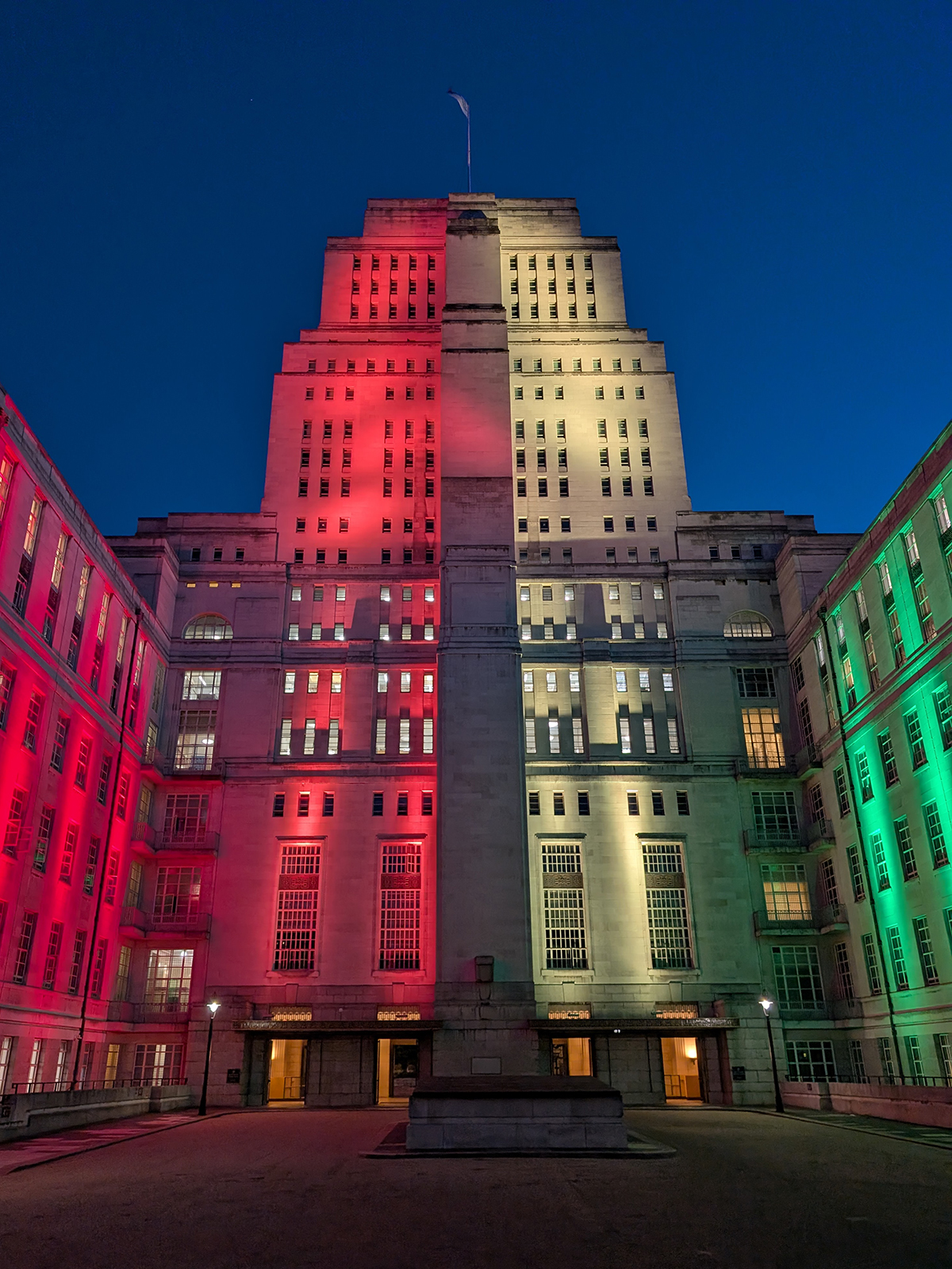
The 18th International Conference on Social Robotics (ICSR + Art 2026) took place in London from July 1–4, bringing together researchers, academics, and industry professionals from around the world to explore the latest advances in social robotics. Hosted by Hooman Samani and Saina Akhond from the University of the Arts London, the conference welcomed around 350 participants who presented their latest research in the main track and special sessions while engaging in lively discussions with both humans and robots in the Debate Room. Teams also competed in the Grand Challenge, showcasing innovative concepts and working prototypes that demonstrated the future potential of social robotics. A series of inspiring keynote presentations explored emerging technologies as well as important methodological questions shaping the field, while robot performances and a memorable robot dance featuring Silke Grabinger added an artistic dimension to the event. Throughout the conference, attendees had the opportunity to meet an impressive range of social robots, including Furhat, Ameca, Euclid, LOVOT, and Mirumi. Furhat and Ameca represented highly expressive humanoid platforms capable of remarkably lifelike interactions, while Euclid attracted particular attention as an open-source humanoid robot built for only a few hundred dollars, proving that affordable hardware can compete with well-known androids such as Sophia and Erika. In contrast, Lovot and Mirumi showcased the softer side of social robotics. Mirumi, a small furry wearable companion robot, charmed visitors with its ability to cling to the handle of a handbag using its tiny arms and is expected to appear soon in pop-up stores, particularly targeting girls and women. On the third evening, after a thought-provoking panel discussion and another series of robot performances, enthusiastic participants left the illuminated Senate House inspired by several days of groundbreaking research, creative collaboration, and a shared vision of how humans and robots will shape the future together. Further information is available at icsr2026.uk.
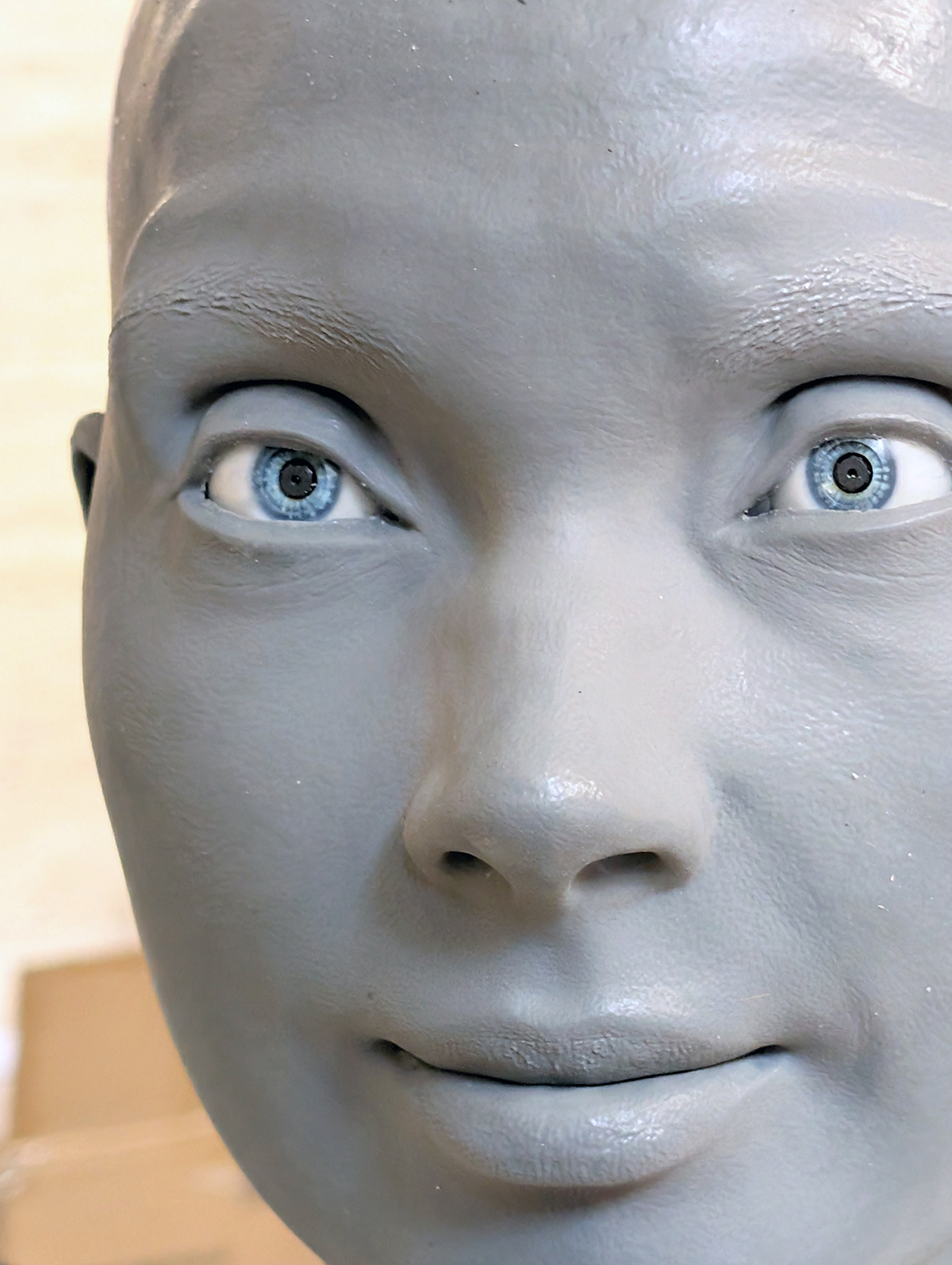
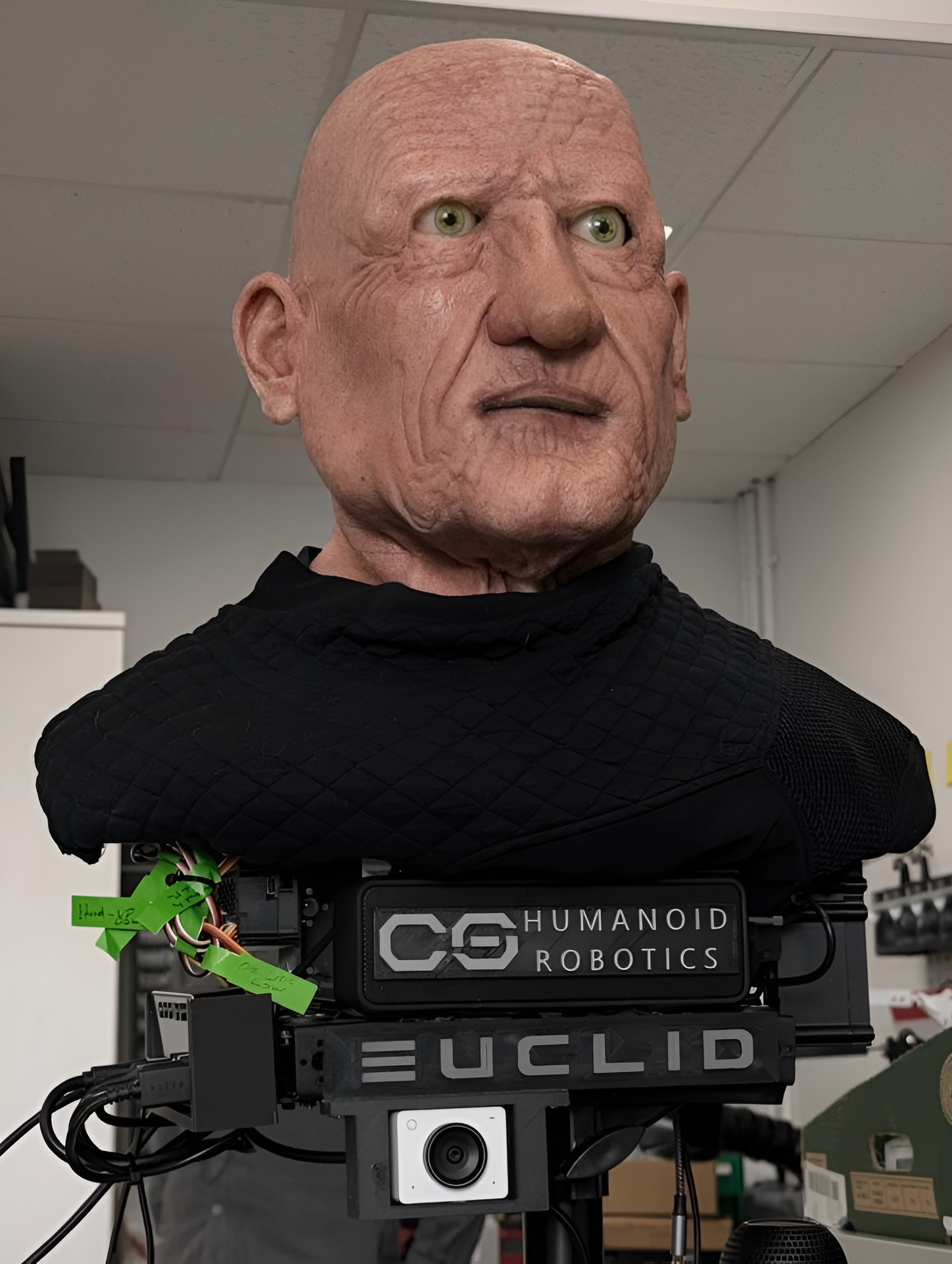
The 18th International Conference on Social Robotics (ICSR + Art 2026) is currently taking place in London from July 1–4, bringing together researchers, academics, and industry professionals from around the world to discuss the latest advances in social robotics. One of the conference formats is a series of debates held in the Debate Hall of Senate House. On the second day, attendees had the opportunity to engage with Euclid, an android developed by Carl Strathearn and Emilia Sobolewska, as part of the session „Innovation Through Creation: The Case for Building Our Own Social Robots for HRI Research“. Euclid is a fully autonomous social robot equipped with automatic speech recognition, computer vision, generative AI, skin sensors, and a robotic mouth that uses machine learning to generate realistic visemes. Designed for social and assistive interactions with older adults, the android demonstrated how advances in artificial intelligence and robotics are enabling increasingly natural human-robot communication while providing a compelling platform for human-robot interaction research. Further information is available at icsr2026.uk and www.carlstrathearn.co.uk.
Fig.: Oliver Bendel and Euclid at ICSR + Art 2026 (Photo: Nihan Karataş)
On July 1, 2026, the 18th International Conference on Social Robotics (ICSR + Art 2026) officially opened in London. Participants were welcomed by the General Chairs, Hooman Samani and Saina Akhond of the University of the Arts London, as well as by several robots, including the humanoid robot Ameca and the companion robot Lovot. Following registration and breakfast, the conference immediately moved into its scientific program with several parallel sessions. The Main Track Papers were presented in Conference Hall 1 (Beveridge Hall), while Special Sessions took place in Conference Hall 2 (Chancellor’s Hall). At the same time, authors of Short Papers introduced their work during the Teaser Talks in the Debate Hall (Senate Room). Held from July 1–4, 2026, ICSR is the leading international forum for researchers, academics, and industry professionals working in the field of social robotics. This year’s edition places a special emphasis on the intersection of social robotics and the arts, highlighting artistic and creative applications of robotic technologies. In addition to the technical program, the conference features the Robot Fringe Festival, the Grand Challenge, artistic performances, industry events, and numerous opportunities for networking and collaboration with leading researchers and practitioners from around the world. Further information is available at icsr2026.uk.
The 18th International Conference on Social Robotics (ICSR + Art 2026) will take place from 1–4 July 2026. ICSR is the leading international forum that brings together researchers, academics, and industry professionals from across disciplines to advance the field of social robotics. This year’s conference combines cutting-edge research in social robotics with a unique focus on artistic and creative applications of robotics. The programme features keynote lectures, paper presentations, workshops, special sessions, debates, exhibitions, competitions, and networking opportunities, reflecting both the scientific and cultural dimensions of the field. Hosted at the historic Senate House of the University of London, ICSR + Art 2026 brings together experts from academia, industry, healthcare, design, the arts, and related disciplines. The conference theme highlights how robots can move beyond traditional functional roles to become creative partners and collaborators. At the same time, the event remains open to the full spectrum of social robotics research, including human-robot interaction, artificial intelligence, ethics, education, assistive robotics, and design. On the eve of the conference, anticipation is building for one of the festival’s artistic highlights. The dancer Silke Grabinger is preparing for her performance at 18:00 on 1 July, where she will share the stage with a robot that carries a deeply personal connection to her own past. Participants can look forward to a diverse programme that includes the Robot Fringe Festival, the Grand Challenge, artistic performances, industry events, and opportunities to engage with leading researchers and practitioners from around the world. Further information is available at icsr2026.uk.
Fig.: Silke Grabinger is preparing for her performance
From August 11 to 14, 2026, the Robophilosophy Conference 2026 will take place at University College Dublin in Dublin, Ireland, under the theme „Connected Futures – Nature, Robots, and Society“. The conference will bring together researchers from philosophy, robotics, artificial intelligence, ethics, law, and the environmental and social sciences to discuss the evolving relationship between intelligent technologies, the natural world, and society. One of the conference highlights is Session 2, „Environmental Robotics and Society“, scheduled on the first day from 2:10 p.m. to 4:25 p.m. The session will open with Janko Munjić’s presentation, „Posthuman Victims in the Anthropocene: Environmental Social Robots, Layered Harm, and the Edges of Criminal Law“, which examines legal and ethical questions surrounding environmental social robots. Oliver Bendel will then present „Towards a Discipline of Animal-Machine Interaction: Ethical and Design Challenges of Machines in Animal Habitats“, exploring the emerging field of interactions between machines and animals. Catherine F. Botha’s talk, „Ecobots and Ecological Capabilities: Ethical Reflections on Robots as Functional Ecological Agents“, will consider the ethical implications of robots acting as ecological agents. The session will conclude with „Aerial Robotics in Society: Energy, Ethics, and Accountability for Sustainable Monitoring“, presented by Ghulam E. Mustafa Abro and Johanna Seibt, addressing the societal, ethical, and sustainability aspects of aerial robotic systems. For more information about the conference and the full program, please visit www.rp2026.org/.
Fig.: Oliver Bendel with a teddy bear from the HUGGIE Project (Photo: Jork Weismann)
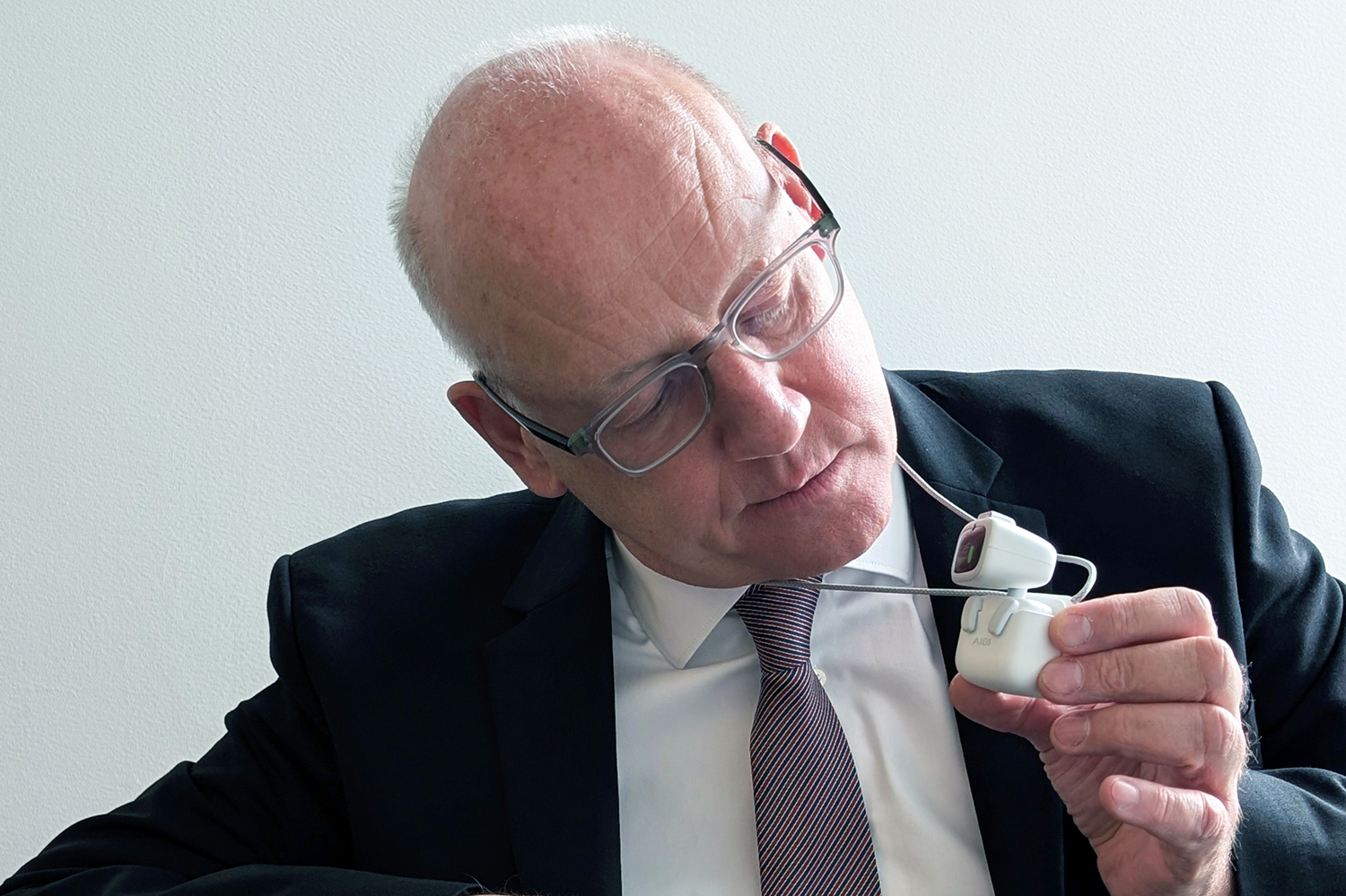
„Wearable Social Robots sind sehr kleine und sehr leichte soziale Roboter, die um den Hals, auf dem Kopf, am Körper oder an der Kleidung bzw. an oder in einer Tasche getragen werden können. Sie sind oftmals mit entsprechenden Befestigungselementen ausgestattet, etwa Halsketten, Seilschlaufen und Metallplatten.“ Mit diesen Worten beginnt ein Beitrag von Oliver Bendel, der am 24. Juni 2026 im Gabler Wirtschaftslexikon erschienen ist. Auf weitere einführende Aussagen folgen die Abschnitte „Hintergrund und Beispiele“, „Einsatzmöglichkeiten“ und „Kritik und Ausblick“. Zu den Einsatzmöglichkeiten wird gesagt: „Wearable Social Robots dienen als Spielzeug und Lernwerkzeug oder als Companion Robot bzw. Pet Robot, wobei Kinder, Jugendliche oder Erwachsene angesprochen werden. Man kann sich von ihnen bespaßen lassen und von oder mit ihnen lernen. Sie mögen verlässliche Bezugspunkte darstellen und Stress und Einsamkeit reduzieren.“ Davor heißt es: „Beispiele für Wearable Social Robots mit festem Gehäuse sind AIBI (LivingAI) und Eiliko (Energize Lab). Ein Fell haben Moflin (Casio), Cupboo AI Robotic Pet (Genmoor Group) und Mirumi (Yukai Engineering).“ Es deutet alles darauf hin, dass in den nächsten Monaten und Jahren noch zahlreiche weitere Wearable Social Robots auf den Markt kommen. Der vollständige Beitrag kann über wirtschaftslexikon.gabler.de/definition/wearable-social-robots-177953 aufgerufen werden.
The 18th International Conference on Social Robotics (ICSR + Art 2026) will take place in London, UK, from 1–4 July 2026. ICSR is the leading international forum that brings together researchers, academics, and industry professionals from across disciplines to advance the field of social robotics. This year’s conference combines cutting-edge research in social robotics with a unique focus on artistic and creative applications of robotics. One of the highlights of the conference will be the debate programme on 2 July 2026, which promises a day of lively discussions on some of the most important questions shaping social robotics, society, and the arts. The debates will explore themes ranging from education and healthcare to fashion, human-robot interaction research, and the future of the human body, bringing together researchers, practitioners, artists, and technologists from diverse backgrounds. Combining critical reflection with creative provocation, the programme encourages participants to rethink what social robots can be, what roles they might play, and how they may transform our societies in the future. And who says debates are only for humans? The programme even includes a social robot that will have the opportunity to answer back. Those interested in the full range of debate topics and participants can find further information at icsr2026.uk/debates/.
Fig.: Euclid will be there for the debate (Photo: ICSR)
The article „It Does Not Always Have to Be a Humanoid Robot: Mythomorphic Design as an Option and a Perspective“ by Oliver Bendel was published in Wiley Industry News on May 13, 2026. The philosopher of technology proposes the term „mythomorph“ to expand upon the categories of „humanoid“ and „animalid“ („zoomorph“). This allows robots such as Mirokaï, Furby, and Cozmo to be better categorized than before. From the abstract: „Social robots are often designed in a humanoid or zoomorphic manner. In addition, there are object-like designs that attempt to avoid imitation of living beings. Nevertheless, humanoid or zoomorphic features may still appear, such as human-like eyes or an animal-like tail. Less common, but clearly present, is a design perspective that can be described as mythomorphic. In this case, humans or animals do not serve, or do not directly serve, as models; instead, extraterrestrials, fantasy figures, or mythological beings are used as inspiration. This contribution first addresses what can be understood by mythomorphic design. It then collects, describes, and classifies examples of social robots that follow this approach. Subsequently, an ontological, aesthetic, and ethical discussion is conducted, with opportunities and risks identified in each case. It becomes apparent that mythomorphic design can be understood as a distinct perspective within the broader design space of social robotics.“ The article can be accessed here.
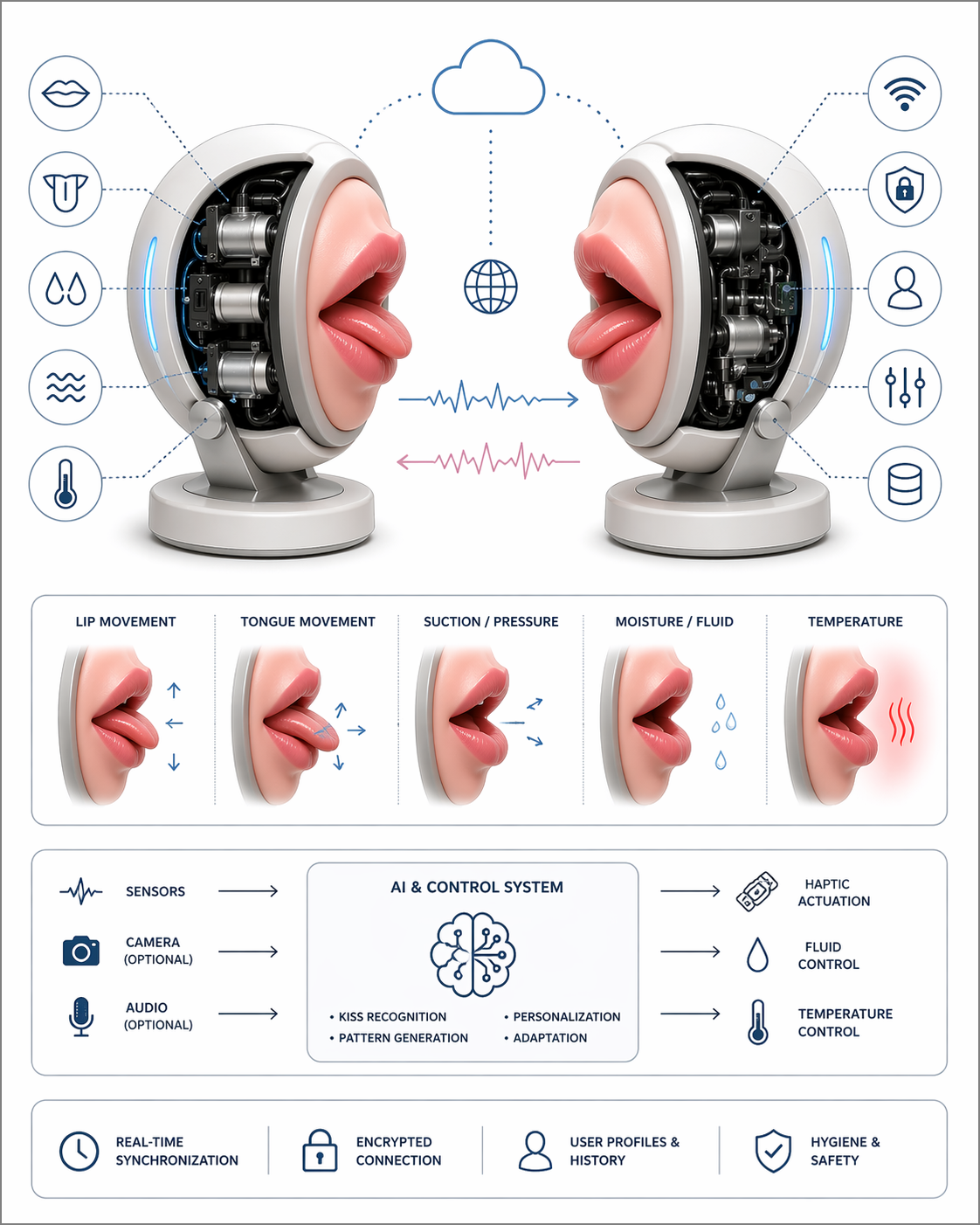
The paper „Kiss Me More: Artificial Lips for Intimate Encounters“ by Oliver Bendel has been accepted at ICSR + Art 2026. Kisses have different functions and meanings depending on culture, context, and partner; they can serve as a greeting, express gratitude, or be part of sexual interaction. When partners are separated but still wish to show affection, teledevices can offer a solution. Since 2011, several prototypes and products for remote kissing have been developed, including the Kissenger, a prototype created by Hooman Samani, to which the present work also pays tribute. Although these systems are already conceptually and technically advanced, there is still room for further development, especially with regard to intimacy and sexuality. The paper therefore formulates specific requirements and outlines possible implementations, resulting in the concept of the KissMachine, which is critically discussed with respect to its technical challenges and ethical implications. The 18th International Conference on Social Robotics will take place in London, UK, from 1–4 July 2026. ICSR is the leading international forum that brings together researchers, academics, and industry professionals from across disciplines to advance the field of social robotics.
Fig.: An illustration of the KissMachine (not part of the paper) (Image: GPT Image 2)
The 18th International Conference on Social Robotics (ICSR + Art 2026) will take place in London, UK, from 1–4 July 2026. ICSR is the leading international forum that brings together researchers, academics, and industry professionals from across disciplines to advance the field of social robotics. The finalists of the ICSR 2026 Grand Challenge have now been announced, showcasing an exciting and diverse range of innovative projects from researchers, artists, and interdisciplinary teams across the globe. This year’s finalists represent institutions from Europe, Asia, North America, and Australia, reflecting the international and creative spirit of the competition. The selected teams will present their work during the first day of the conference on 1 July 2026, with the results and awards to be announced on 3 July 2026. Finalists will also have the optional opportunity to demonstrate their projects during the conference. To support participation in the competition, ICSR offers a special reduced registration rate through the Grand Challenge Competition Finalists Pass, which grants access to the full conference; at least one registration per team is required, and each attendee must hold an individual registration. Further details regarding presentations and demonstrations will be communicated directly to finalists via email. For questions related to the ICSR Grand Challenge, participants may contact Prof. Laura Fiorini at laura.fiorini@unifi.it. A full list of finalists and additional information can be found at: icsr2026.uk/competition-finalists/.
The 18th International Conference on Social Robotics (ICSR + Art 2026) will take place in London, UK, from 1–4 July 2026. ICSR is the leading international forum that brings together researchers, academics, and industry professionals from across disciplines to advance the field of social robotics. As part of the conference programme, ICSR Industry Day will offer a dynamic platform connecting research and industry through a panel debate, a UKRI-led workshop, and a pitch session showcasing emerging robotics start-ups. A key highlight will be the panel discussion „There’s No Place Like Home: Exploring the Next Frontier for Social Robots“, taking place on Friday, 3 July from 2.30-4.00 pm. Bringing together leading voices from industry, the session will examine the growing interest in domestic environments as the next major market for social robotics. While companies increasingly envision robots supporting household tasks, personalised assistance, ageing-in-place, and companionship, the home presents unique challenges as a deeply personal and unpredictable setting where trust, privacy, and reliability are essential. Drawing on firsthand experience in deploying consumer robots, the panellists will discuss both the opportunities and the obstacles of integrating robots into everyday domestic life, addressing issues such as surveillance, dependency, social acceptance, and design limitations. The panel will feature Ira Renfrew, Co-Founder and Chief People Product Officer at Familiar Machines & Magic; Shunsuke Aoki, Founder of Yukai Engineering; Craig Allen, former Chief Creative Officer at Embodied (now Moxie Robots); and Samuel Ader, VP Growth & Supply at Cera (Genie Connect). The discussion will be moderated by Elizabeth Jochum. Together, the speakers will explore how thoughtful, human-centred innovation can help social robots earn a meaningful place in people’s homes and daily lives. Further information and registration details for the Industry Day panel are available at: icsr2026.uk/industry-day/.
The 18th International Conference on Social Robotics (ICSR + Art 2026) will take place in London, UK, from 1–4 July 2026. ICSR is the leading international forum that brings together researchers, academics, and industry professionals from across disciplines to advance the field of social robotics. This year’s conference will feature three distinguished keynote speakers whose work is shaping the future of artificial intelligence, robotics, and human-robot interaction. Hatice Gunes, Professor of Affective Intelligence and Robotics at the University of Cambridge, is internationally recognised for her pioneering research on affective computing, multimodal intelligence, and socially aware AI systems, with a strong emphasis on ethics, fairness, and wellbeing in robotics. Jean Oh, Associate Research Professor at Carnegie Mellon University and Director of the roBot Intelligence Group, is known for her work on collaborative robots, social navigation, and creative physical AI, focusing on developing robots that learn, adapt, and work safely alongside humans in shared environments. Nicolas Heess, Research Scientist and Director at Google DeepMind, leads cutting-edge research on general-purpose robotics and embodied AI, exploring how advances in machine learning, perception, and motor control can bring intelligent robots into the physical world. Together, these keynote speakers represent the forefront of research and innovation driving the next generation of social robotics. Further information on the keynote programme is available at: icsr2026.uk/keynote/.
For the first time, students in the elective module „Social Robots“, held from March 30 to April 1, 2026 at the FHNW School of Business, were introduced by Prof. Dr. Oliver Bendel to the idea that robot design is not limited to object-like, humanoid, and animal-like (zoomorphic) forms, but also includes mythomorphic design. Mythomorphic design refers to the creation of robots, especially social robots, inspired by figures from myth, fantasy, and science fiction rather than by real humans or animals. Such designs typically combine recognizable anthropomorphic features with deliberate deviations that signal otherness, for example through unusual morphology, narrative embedding, or symbolic attributes. Examples include the Mirokaï models such as Miroka and Miroki, as well as classics like Furby. Several publications by Oliver Bendel on this topic are forthcoming and will be published in 2026 and 2027.
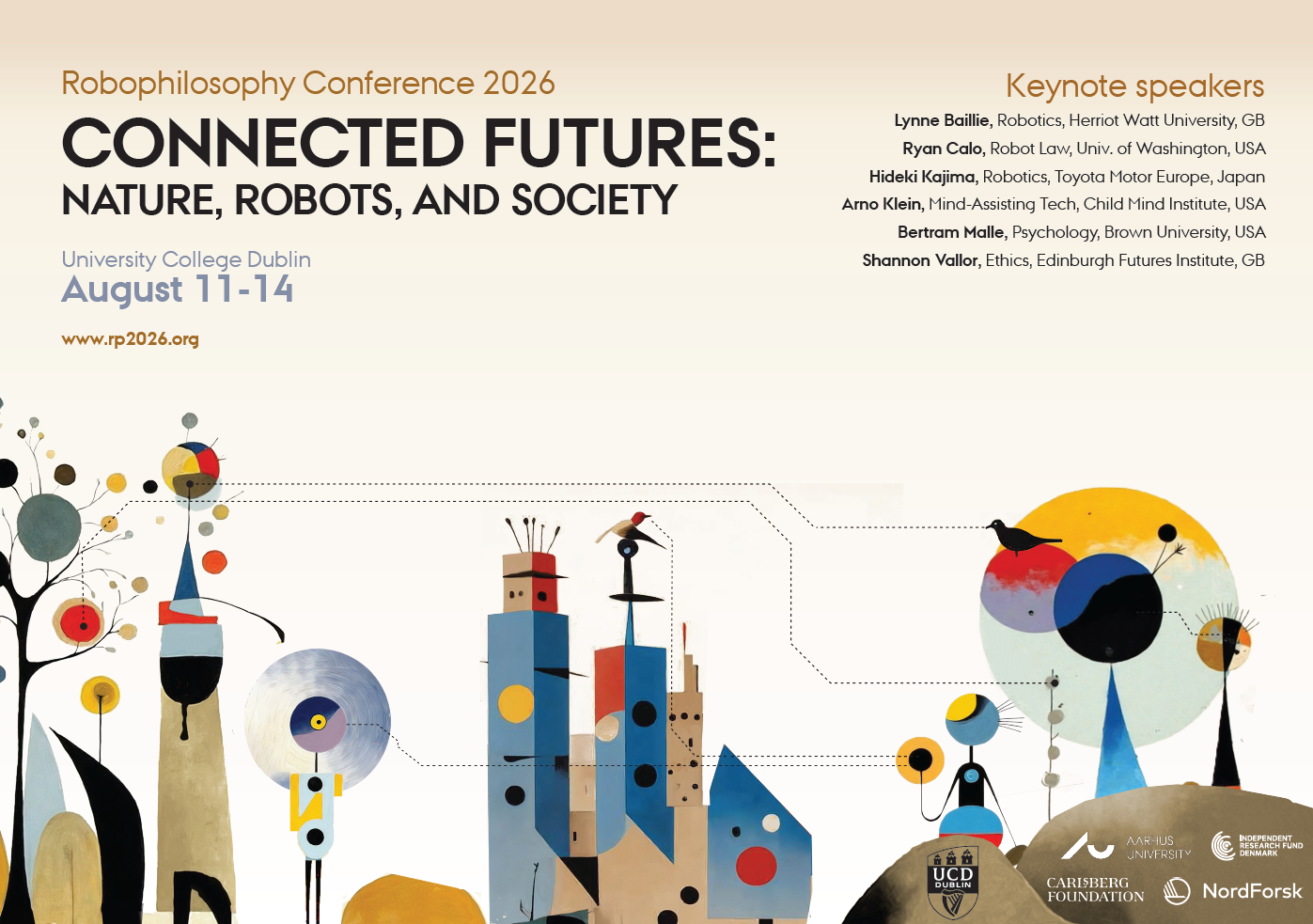
The Robophilosophy Conference 2026 (RP2026), titled „Connected Futures – Nature, Robots, and Society“, will take place August 11-14, 2026, at University College Dublin (UCD) in Dublin, Ireland, bringing together researchers from across disciplines to examine how robotics and artificial intelligence are reshaping human societies and the natural world. As robotic systems become increasingly embedded in everyday life, the conference aims to foster dialogue between fields ranging from social robotics, computer science, and human-robot interaction to the humanities, social sciences, law, economics, and environmental research. Central questions include how robotic technologies can uphold human dignity and social justice, how legal systems must adapt to autonomous decision-making, and whether robots can contribute to sustainability rather than accelerate ecological decline. The event marks the seventh installment in the Robophilosophy conference series and features plenary speakers such as Lynne Baillie, Ryan Calo, Hideki Kajima, Arno Klein, Bertram Malle, and Shannon Vallor. Importantly, the submission deadline for research papers, posters, and artistic contributions has been extended to March 15, 2026, offering additional time for scholars and practitioners to contribute to this interdisciplinary conversation. Registration is now open, and further details are available at www.rp2026.org.
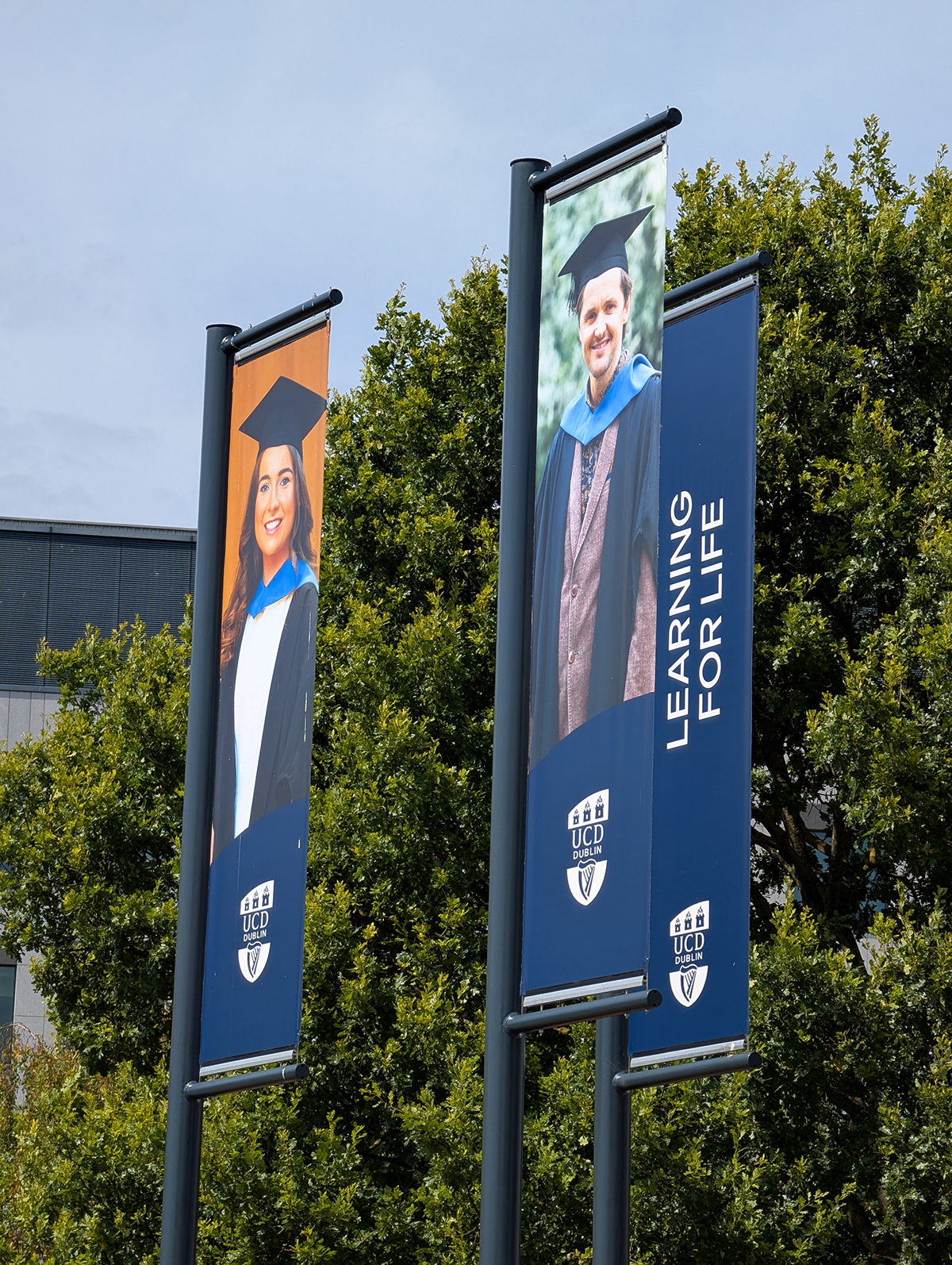
Fig.: The conference will take place at UCD in Dublin
The elective module „Soziale Roboter“ by Prof. Dr. Oliver Bendel will be held again from March 30 to April 1, 2026, at FHNW in Olten. It is primarily aimed at prospective business AI students, but students of information systems can also take part. Luca Marie Leisten has been invited as a guest speaker. She is a third-year doctoral student in learning sciences and human-robot interaction at ETHZ and EPFL. With a background in psychology and social sciences, Luca’s research focuses on social robot companions in the learning domain. Specifically, she is interested in investigating the barriers and opportunities of social robot deployment as well as the perception of different robots. In this context, Luca is testing the long-term effects of affordable DIY robotic toolkits using a mix of quantitative and qualitative methods. Unitree Go2, Alpha Mini, Cozmo, Vector, AIBI, Eilik, Furby, Booboo, and Hugvie from Oliver Bendel’s private Social Robots Lab will also be on site. Social Robotics Girl, a so-called GPT specializing in this topic, will be available as a tutor throughout the event. Key works include „Soziale Roboter“ (2021) and „300 Keywords Soziale Robotik“ (2021). At the end of the elective module, students design social robots – also with the help of generative AI – that they find useful, meaningful, or simply attractive. The elective module has been offered since 2021 and is very popular at the university.
The Robophilosophy Conference 2026 (RP2026), titled „Connected Futures – Nature, Robots, and Society“, will take place August 11-14, 2026, in Dublin, Ireland, bringing together researchers from across disciplines to examine how robotics and artificial intelligence are reshaping human societies and the natural world. As robotic systems become increasingly embedded in everyday life, the conference aims to foster dialogue between fields ranging from social robotics, computer science, and human-robot interaction to the humanities, social sciences, law, economics, and environmental research. Central questions include how robotic technologies can uphold human dignity and social justice, how legal systems must adapt to autonomous decision-making, and whether robots can contribute to sustainability rather than accelerate ecological decline. The event marks the seventh installment in the Robophilosophy conference series and features plenary speakers such as Lynne Baillie, Ryan Calo, Hideki Kajima, Arno Klein, Bertram Malle, and Shannon Vallor. Importantly, the submission deadline for research papers, posters, and artistic contributions has been extended to March 15, 2026, offering additional time for scholars and practitioners to contribute to this interdisciplinary conversation. Registration will open soon, and further details are available here and at www.rp2026.org.
Fig.: The poster of the conference (Image: Robophilosophy)