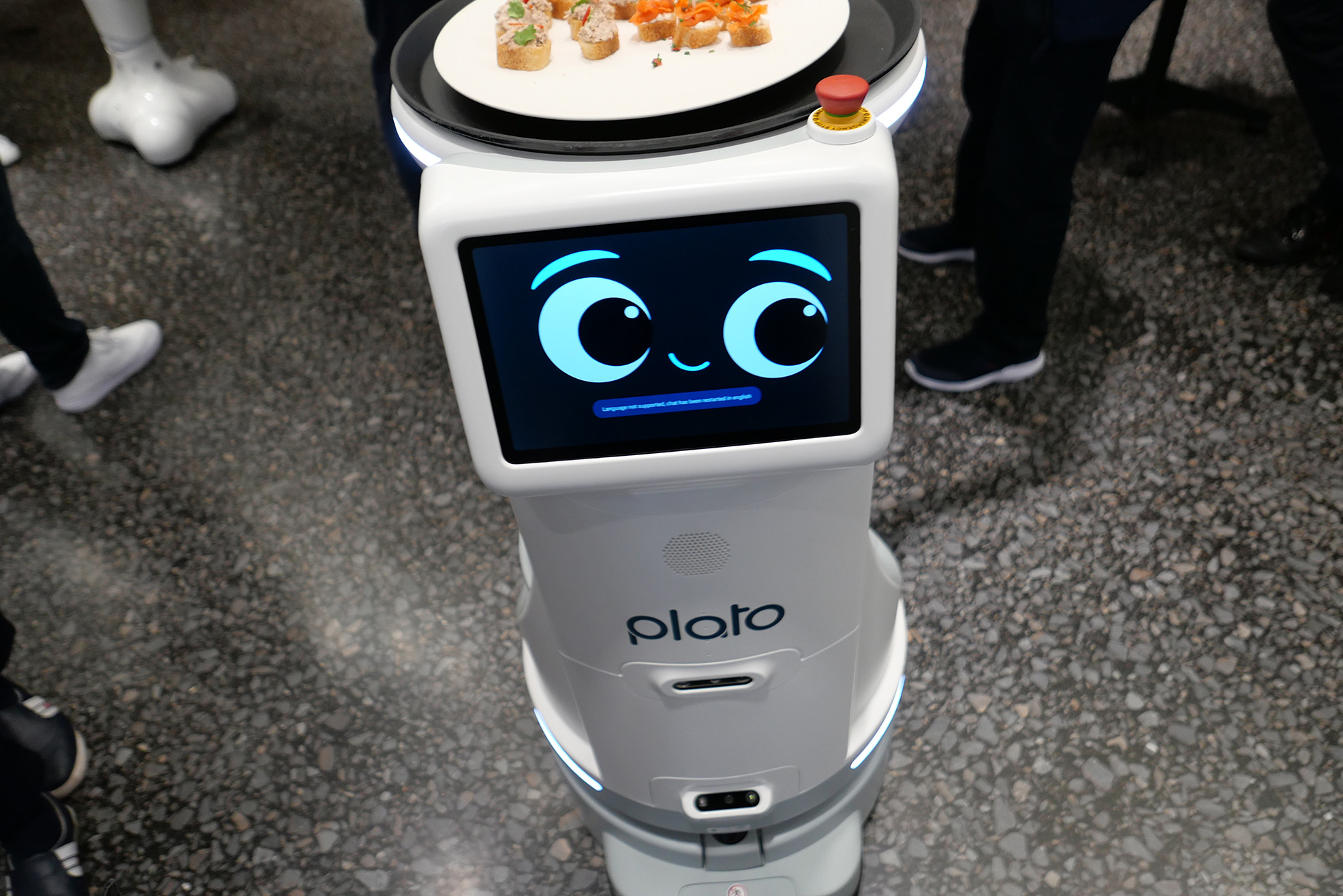
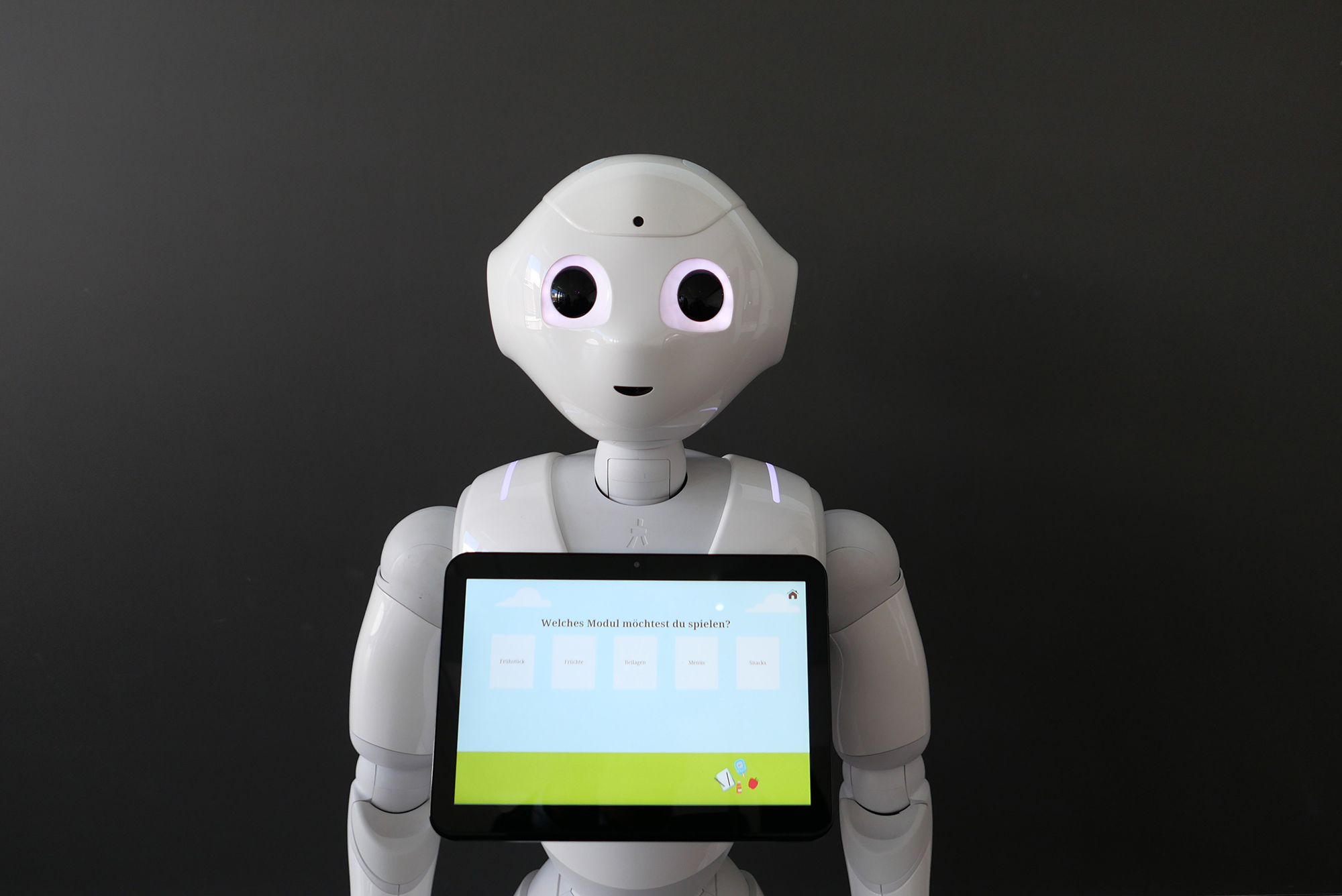
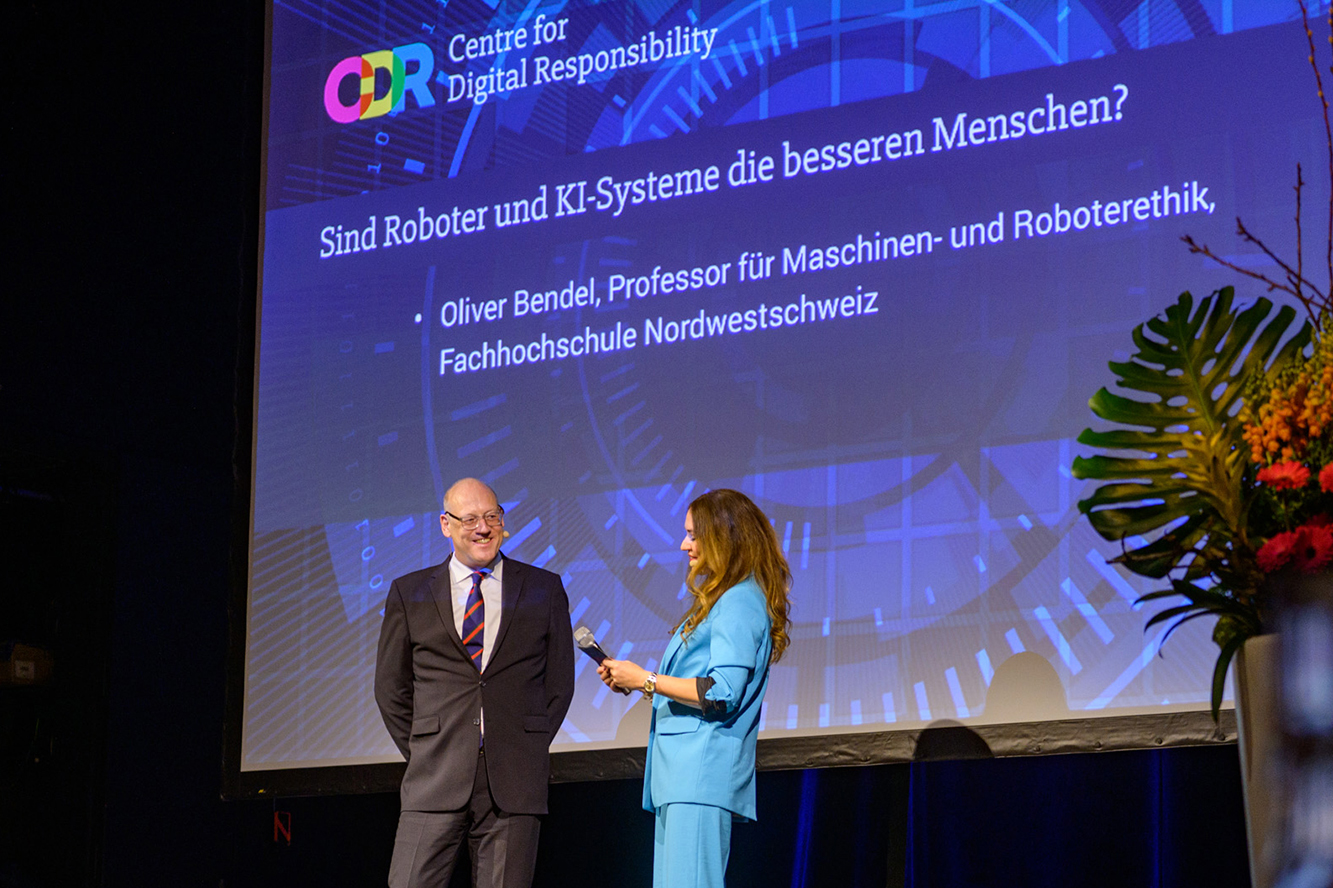
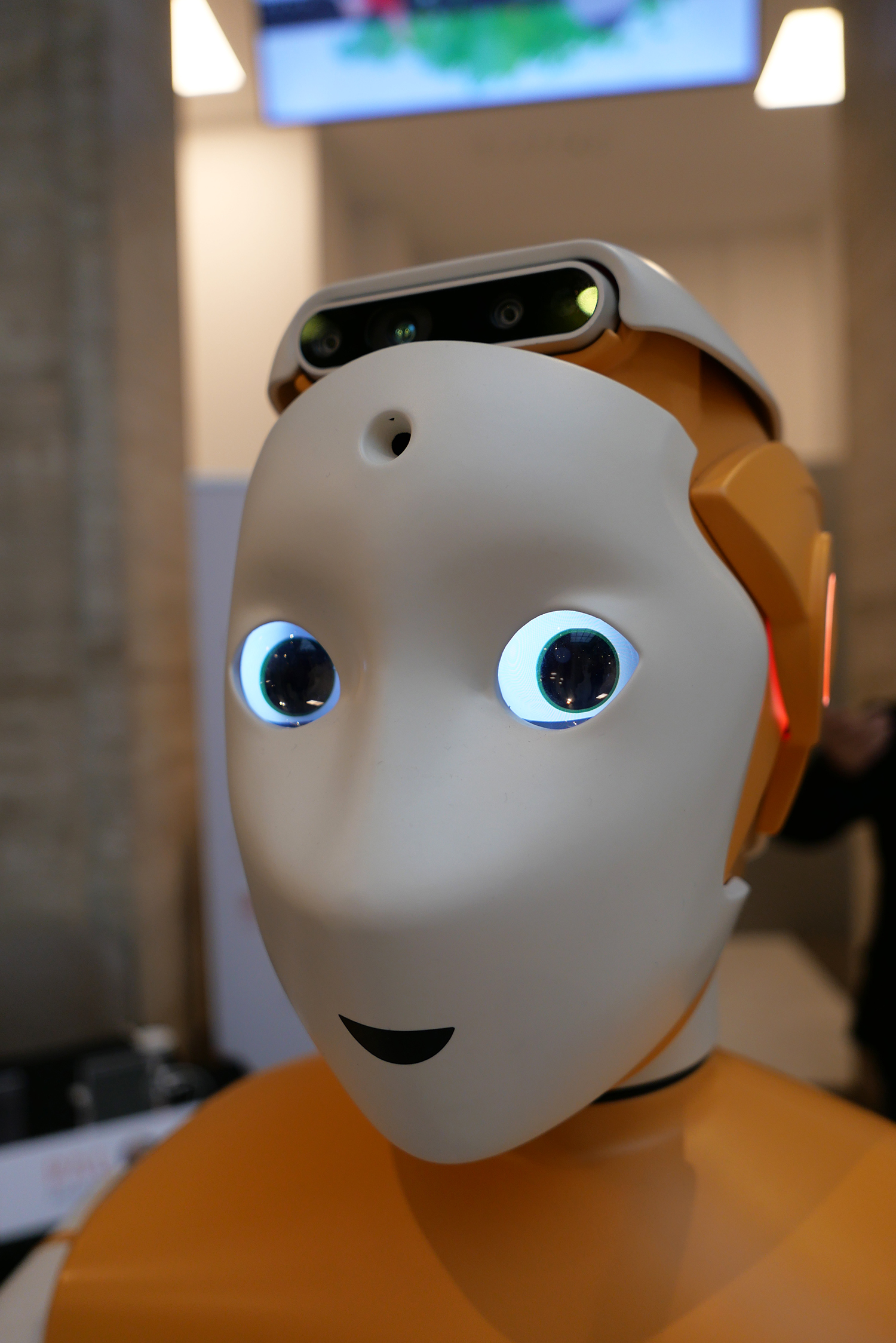
Am 31. August 2023 fand im „Careum Auditorium“ in Zürich die Innocare 2023 statt. Bei dem Event zu Pflegerobotern sprachen Prof. Dr. Oliver Bendel, Sylvia Stocker, Alexander Pröll, Prof. Dr. David Matusiewicz, Beat Sommerhalder und Sari Wettstein. Partner der Veranstaltung waren United Robotics Group (URG), Arabesque, Achermann und HPE Aruba Networks. Die Vorträge wurden von zwei Avataren angekündigt. Ein Pepper-Roboter von Arabesque assistierte auf der Bühne und begann mit dem einen oder anderen Referenten ein Gespräch. So fragte er Oliver Bendel, ob er Gefühle für ihn habe. Der Informations- und Maschinenethiker betonte, dass Pepper selbst keine Gefühle habe (sondern nur zeige), der Roboter aber natürlich sein Herz höher schlagen lasse. In den Pausen konnten die ca. 100 Besucher mit zwei weiteren Pepper-Modellen von URG, zwei Plato-Modellen von URG und einem Temi von Arabesque interagieren und kommunizieren. Plato wurde zunächst als Alternative zu Transport- und Servierrobotern wie BellaBot lanciert, ist inzwischen aber auch in Pflegeheimen und Krankenhäusern zu finden. Er bringt verlässlich Abfall und Getränke von A nach B. Für heikle Transporte kann man auch geschlossene Systeme wie Relay von Savioke heranziehen. Plato gehört zu den Servicerobotern, die soziale Merkmale und Fähigkeiten erhalten haben – ein Trend, den Oliver Bendel immer wieder beschreibt. Weitere Informationen über inno-care.ch.
In late August 2023, AAAI announced the continuation of the AAAI Spring Symposium Series, to be held at Stanford University from 25-27 March 2024. Due to staff shortages, the prestigious conference had to be held at the Hyatt Regency SFO Airport in San Francisco in March 2023 – and will now return to its traditional venue. The call for proposals is available on the AAAI Spring Symposium Series page. Proposals are due by 6 October 2023. They should be submitted to the symposium co-chairs, Christopher Geib (SIFT, USA) and Ron Petrick (Heriot-Watt University, UK), via the online submission page. Over the past ten years, the AAAI Spring Symposia have been relevant not only to classical AI, but also to roboethics and machine ethics. Groundbreaking symposia were, for example, „Ethical and Moral Considerations in Non-Human Agents“ in 2016, „AI for Social Good“ in 2017, or „AI and Society: Ethics, Safety and Trustworthiness in Intelligent Agents“ in 2018. More information is available at aaai.org/conference/spring-symposia/sss24/.
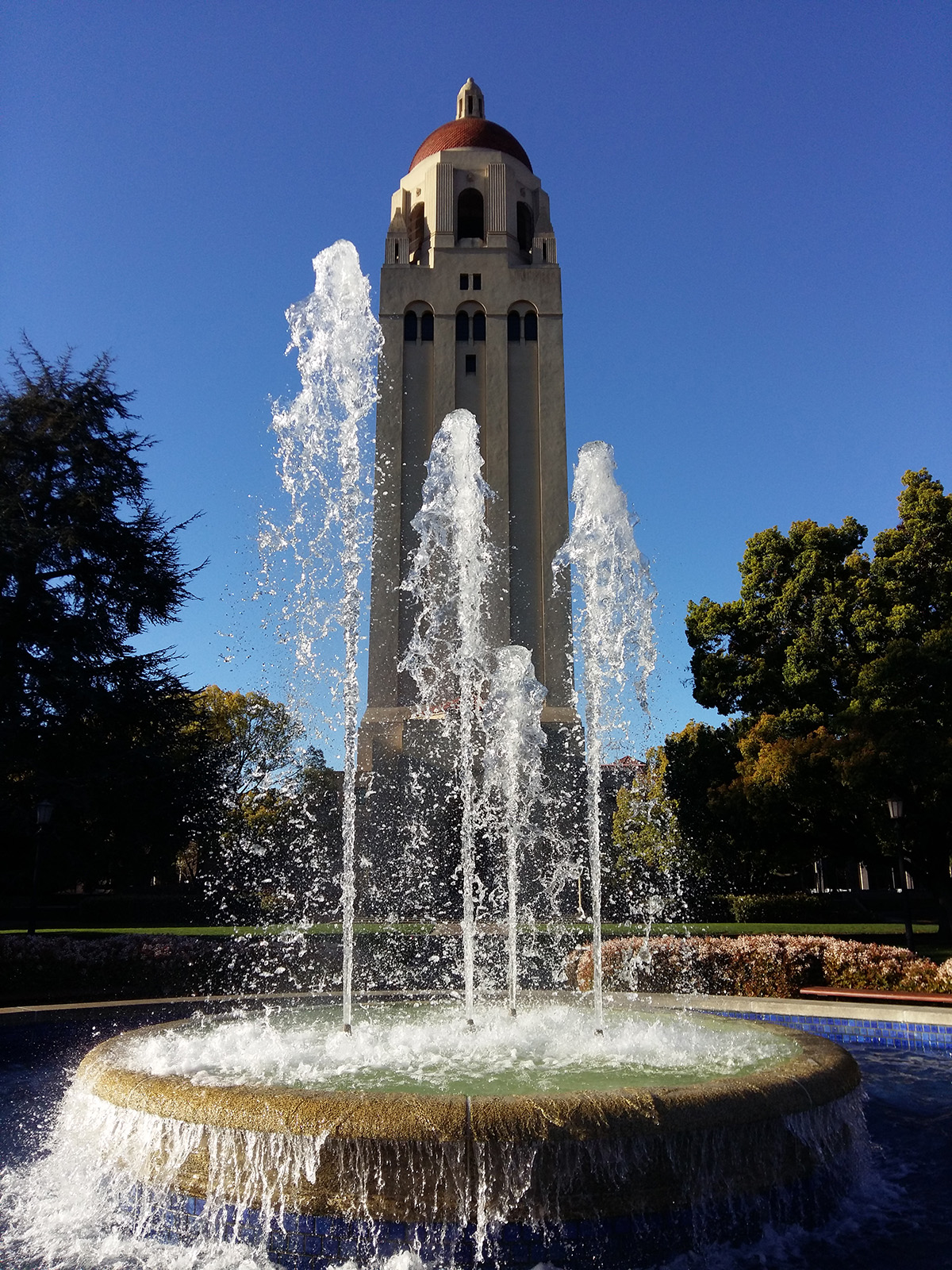
Fig.: Hoover Tower on the Stanford University campus
Die Tagung „KI – Text und Geltung. Wie verändern KI-Textgeneratoren wissenschaftliche Diskurse?“ findet am 25. und 26. August 2023 an der TU Darmstadt statt. Prof. Dr. Oliver Bendel referiert am ersten Tag zum Thema „KI-basierte Textgeneratoren aus Sicht von Informationsethik und Maschinenethik“. Dabei ist die Informationsethik – zusammen mit anderen Bereichsethiken – die Disziplin, die sich Künstlicher Intelligenz, Maschinenethik und Maschinellem Bewusstsein zuwendet. Die Maschinenethik, die von ihr betrachtet wird, arbeitet inzwischen auch mit Sprachmodellen wie GPT, etwa im Zusammenhang mit Constitutional AI. Oliver Bendel versteht sie eher technisch, zwischen Philosophie und Informatik bzw. Robotik angesiedelt, mit deutlicher Nähe zu den letzteren Disziplinen. Aber natürlich ist sie auch selbst eine Perspektive, die zur ethischen Reflexion beitragen kann, etwa wenn sie danach fragt, ob sich Maschinen als solche zu erkennen geben oder wie sie bei Dilemmata entscheiden sollen. Das Programm kann hier abgerufen werden.
Abb.: Auch Pepper wurde schon mit ChatGPT verbunden
Am 31. August 2023 findet in Zürich die Innocare 2023 statt. Bei dem Event zu Pflegerobotern sprechen Prof. Dr. Oliver Bendel, Sylvia Stocker, Alexander Pröll, Prof. Dr. David Matusiewicz, Beat Sommerhalder und Sari Wettstein. Partner der Veranstaltung sind United Robotics Group, Arabesque, Achermann und HPE Aruba Networks. Prof. Dr. Oliver Bendel geht in seiner 20-minütigen Eröffnungsrede auf Pflegeroboter aus Sicht von Informations- und Maschinenethik ein. Es werden die Ziele, Aufgaben und Merkmale von Pflegerobotern geklärt und Beispiele vorgestellt. Auf dieser Grundlage werden Überlegungen aus der Perspektive der Ethik angestellt. Am Ende soll deutlich werden, welche Robotertypen und Prototypen bzw. Produkte es gibt, welche Zwecke sie erfüllen, welche Funktionen sie übernehmen und welche Implikationen und Konsequenzen dies für den Einzelnen und die Gesellschaft hat. Pflegeroboter mögen zur persönlichen Autonomie beitragen und zugleich die informationelle Autonomie schwächen. Es ist wichtig, Serviceroboter und soziale Roboter im Gesundheitsbereich so zu gestalten, dass sie möglichst allen Anforderungen und Bedürfnissen gerecht werden und nützliche Werkzeuge für Pflegekräfte und Pflegebedürftige sind. Die Anmeldung erfolgt über inno-care.ch.
Abb.: Oliver Bendel mit Pepper (Foto: Sara Zarubica)
The International Conference on Social Robotics (ICSR 2023) is, next to Robophilosophy, the most important conference on social robotics. The deadline for paper submission is approaching. „The 15th International Conference on Social Robotics (ICSR 2023) will bring together researchers and practitioners working on the interaction between humans and intelligent robots and on the integration of social robots into our society. ICSR 2023 will take place in Doha as a face-to-face conference on December 4-7, 2023. This will be the first time that the conference will be hosted in Qatar and in the Middle East and North Africa region.“ (Website ICSR) The theme of this year’s ICSR is „Human-Robot Collaboration: Sea, Air, Land, Space and Cyberspace“. According to the organizers, the theme emphasizes on all physical and cyber-physical domains where humans and robots collaborate. Papers can be submitted until August 21, 2023. Notifications will be made by September 18 of that year. More information via icsr23.qa.
„Die Aussage, dass KI Texte generieren kann, sagt etwas über das Verständnis von Texten aus. Worin aber unterscheiden sich menschengemachte und computergenerierte Texte und welche Geltungsansprüche können jeweils erhoben, bestritten oder eingelöst werden? Was erwarten, befürchten und erhoffen sich die einzelnen Wissenschaften, wenn in ihren Diskursen Texte rezipiert werden, die mit generativer Text-KI erzeugt wurden? Wie verändert sich der Umgang mit Quellen? Wie kann digitale Hermeneutik mit KI umgehen? Und welche Konsequenzen ergeben sich für die Kriterien von Wissenschaftlichkeit, Relevanz und Urheberschaft?“ (Programm ZEVEDI) Diesen und anderen Fragen geht die Tagung „KI – Text und Geltung. Wie verändern KI-Textgeneratoren wissenschaftliche Diskurse?“ nach, die am 25. und 26. August 2023 an der TU Darmstadt stattfindet. Es tragen u.a. Prof. Dr. Doris Weßels (Fachhochschule Kiel), Prof. Dr. Oliver Bendel (Fachhochschule Nordwestschweiz), Dr. Steffen Albrecht (Büro für Technikfolgen-Abschätzung beim Deutschen Bundestag) und Prof. Dr. Christian Stöcker (Hochschule für Angewandte Wissenschaften Hamburg) vor. Das Programm kann hier abgerufen werden.
Abb.: Oliver Bendel in seinem Büro (Foto: Dominic Büttner)
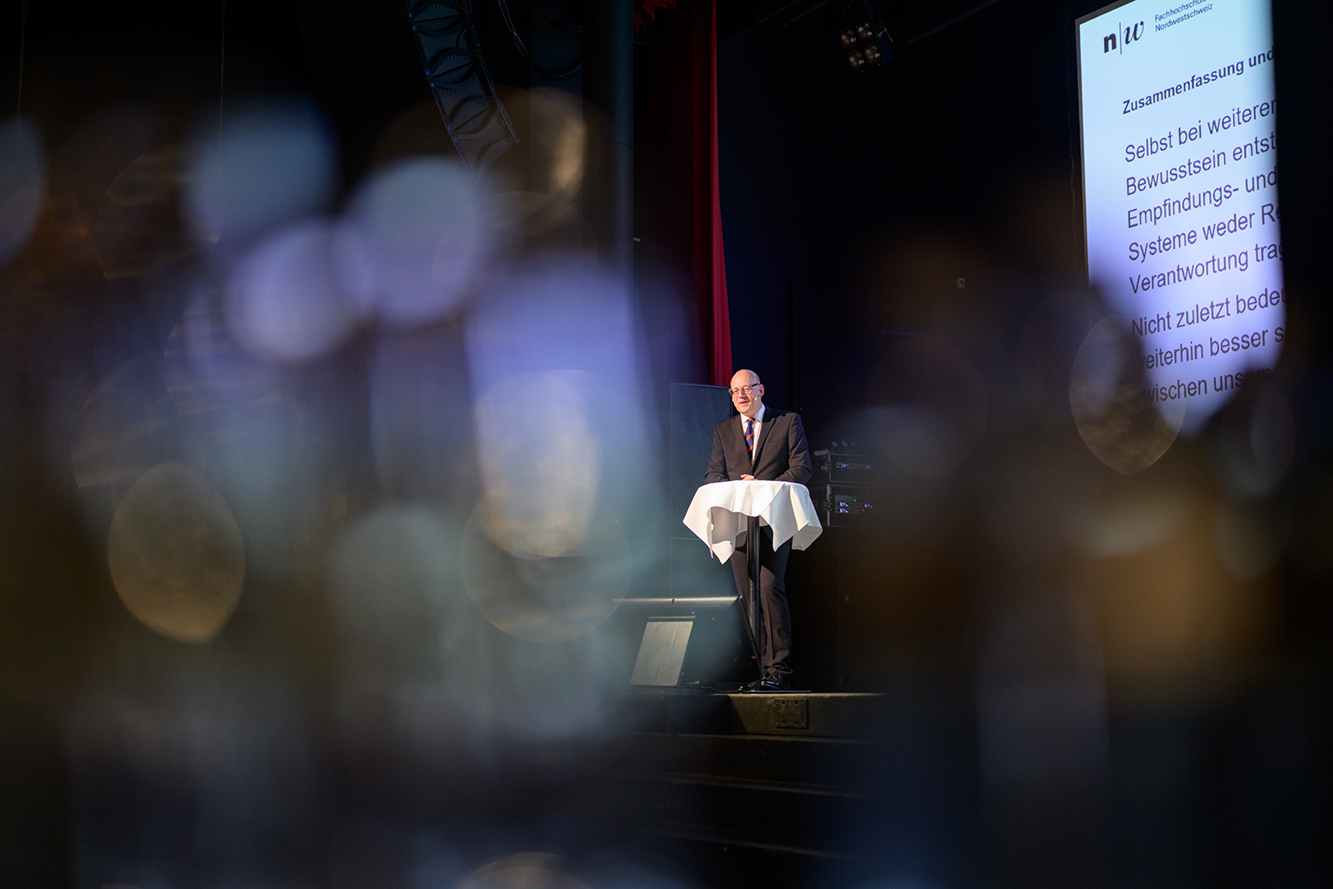
Die Shift, eine Tagung zu Fragen von Informations-, Roboter- und KI-Ethik, fand am 20. April 2023 zum fünften Mal statt. Initiatorin und Organisatorin ist Cornelia Diethelm. Moderatorin war wieder Patrizia Laeri. Die Keynote hielt Prof. Dr. Oliver Bendel aus Zürich. Das Video dazu ist am 19. Mai 2023 erschienen. Oliver Bendel ging zunächst auf soziale Roboter ein und auf die Disziplinen Künstliche Intelligenz, Maschinenethik und Maschinelles Bewusstsein. Dann beschrieb er mehrere soziale Roboter, die auch als Serviceroboter im engeren Sinne eingesetzt werden. Auf dieser empirischen Basis stellte er ethische Überlegungen an. Am Ende behandelte er Sprachmodelle wie GPT-3 bzw. GPT-4 und PaLM-E. Er zeigte, wie soziale Roboter und Serviceroboter von diesen profitieren können, in ihrer Sprachfähigkeit und bei ihrer Wahrnehmung der Welt. Auch Ansätze der Maschinenethik waren ein Thema, von der Einpflanzung moralischer Regeln bis hin zur Nutzung von Moralmenüs. Das Video kann hier aufgerufen werden.
Abb.: Oliver Bendel bei der Shift (Foto: Shift/Louis Rafael)
Die interdisziplinäre Tagung „KI – Text und Geltung. Wie verändern KI-Textgeneratoren wissenschaftliche Diskurse?“ findet am 25. und 26. August 2023 an der TU Darmstadt statt. Der Call for Papers wirft Fragen dieser Art auf: „Worin unterscheiden sich menschengemachte und computergenerierte Texte und welche Geltungsansprüche können jeweils erhoben, bestritten oder eingelöst werden? Werden bestimmte Textverständnisse dadurch überlagert, dass Menschen der KI die Fähigkeit zur Textgenerierung zuschreiben? Produziert ein wissenschaftlicher Diskurs über KI-Textgeneratoren dieselbe Art von Texten wie die Generatoren selbst? Was erwarten, befürchten und erhoffen sich die einzelnen Wissenschaften, wenn in ihren Diskursen Texte rezipiert und berücksichtigt werden, die mit KI-gestützten Werkzeugen erstellt wurden? Und nicht zuletzt: Welche Konsequenzen ergeben sich daraus für die Kriterien von Wissenschaftlichkeit und Urheberschaft?“ (CfP) Abstracts zur Tagung bzw. zum Tagungsband sind in deutscher oder englischer Sprache im Umfang von max. 250 Wörtern zu verfassen und bis zum 15. Juni 2023 einzureichen. Eine Mitteilung über Annahme oder Ablehnung erfolgt bis zum 23. Juni 2023. Für die Präsentation auf der Tagung stehen jeweils 20 Minuten sowie 10 Minuten zur Diskussion zur Verfügung. Der CfP ist hier verfügbar.
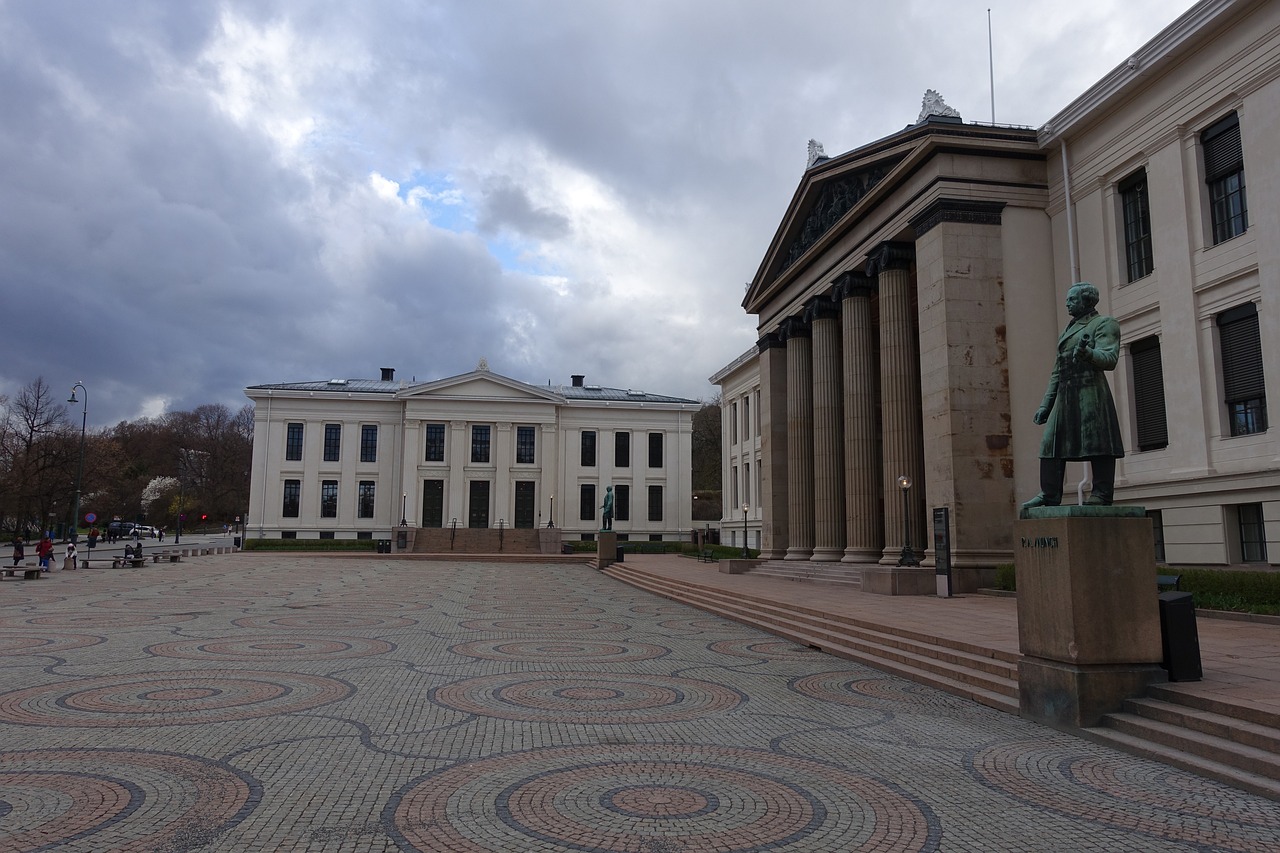
The CONVERSATIONS 2023, a two-day workshop on chatbot research, applications, and design, will take place at the University of Oslo, Norway. According to the CfP, contributions concerning applications of large language models such as the GPT family, are warmly welcome, as are contributions on applications combining information retrieval approaches and large language model approaches. Building on the results from previous six CONVERSATIONS workshops, the following topics are of particular interest: 1. Chatbot users and implications, 2. Chatbot user experience, design, and evaluation, 3. Chatbot frameworks and platforms, 4. Chatbots for collaboration, 5. Democratizing chatbots – chatbots for all, 6. Ethics and safety implications of chatbots and large language models, 7. Leveraging advances in AI technology and large language models. More information via 2023.conversations.ws.
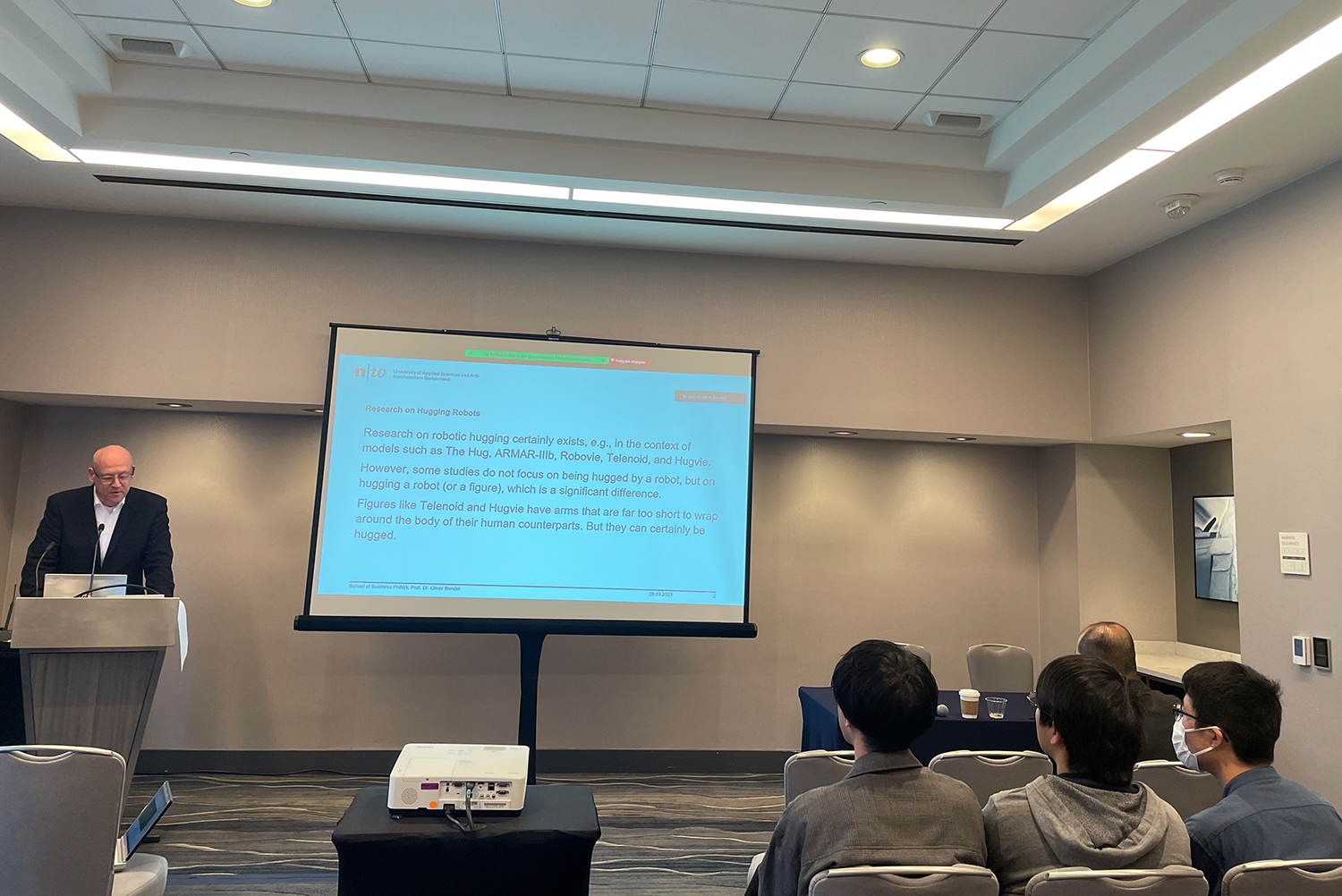
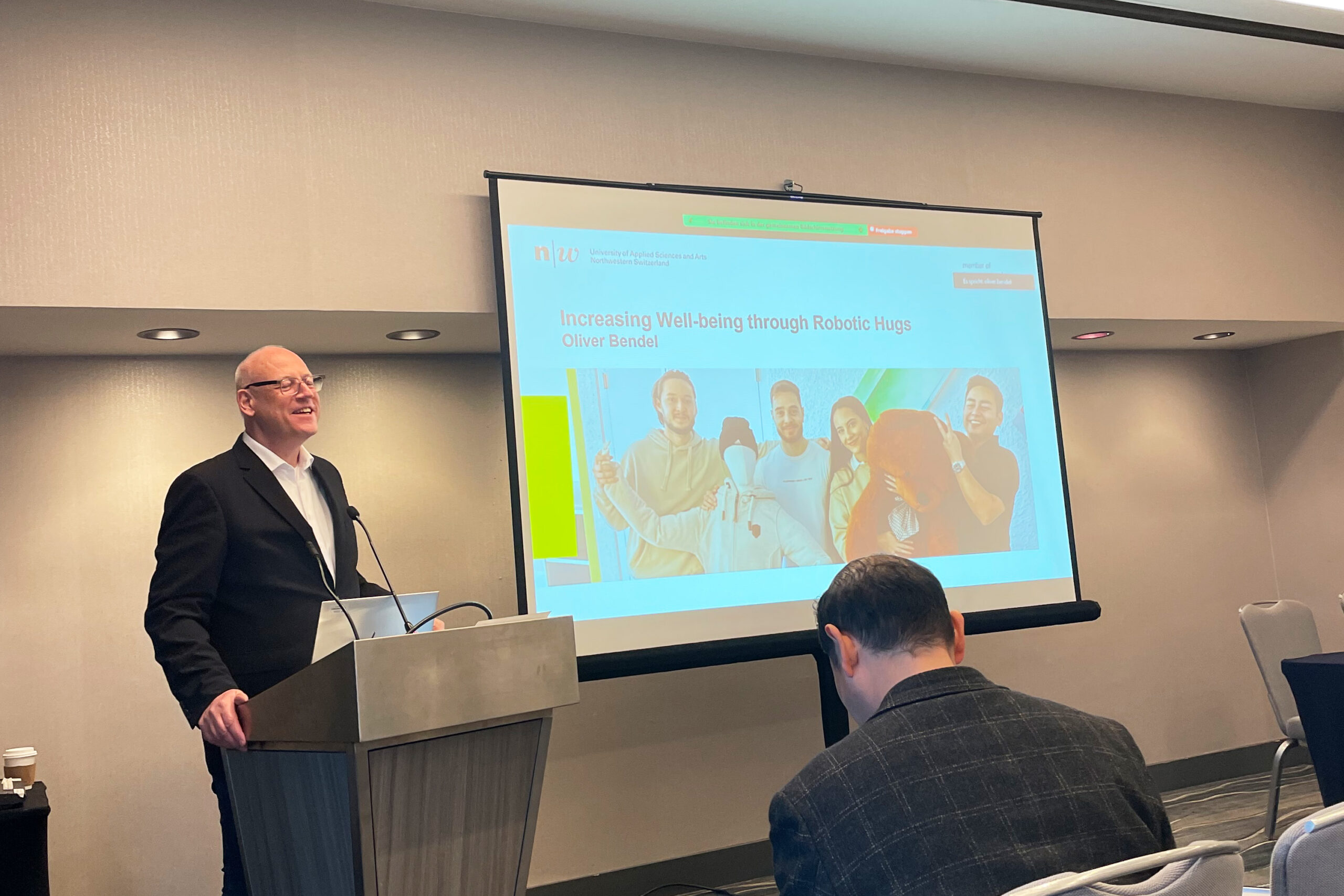
From March 27-29, 2023, the AAAI 2023 Spring Symposia featured the symposium „Socially Responsible AI for Well-being“ by Takashi Kido (Teikyo University, Japan) and Keiki Takadama (The University of Electro-Communications, Japan). This time the venue was exceptionally not Stanford University, but the Hyatt Regency SFO Airport. On March 28, Prof. Dr. Oliver Bendel presented the paper „Increasing Well-being through Robotic Hugs“, written by himself, Andrea Puljic, Robin Heiz, Furkan Tömen, and Ivan De Paola. The paper has now been published as a preprint and can be downloaded via arxiv.org/abs/2304.14409. From the abstract: „This paper addresses the question of how to increase the acceptability of a robot hug and whether such a hug contributes to well-being. It combines the lead author’s own research with pioneering research by Alexis E. Block and Katherine J. Kuchenbecker. First, the basics of this area are laid out with particular attention to the work of the two scientists. The authors then present HUGGIE Project I, which largely consisted of an online survey with nearly 300 participants, followed by HUGGIE Project II, which involved building a hugging robot and testing it on 136 people. At the end, the results are linked to current research by Block and Kuchenbecker, who have equipped their hugging robot with artificial intelligence to better respond to the needs of subjects.“ More information on the conference via aaai.org/conference/spring-symposia/sss23/.
Fig.: Oliver Bendel during his talk (Photo: Lea Peier)
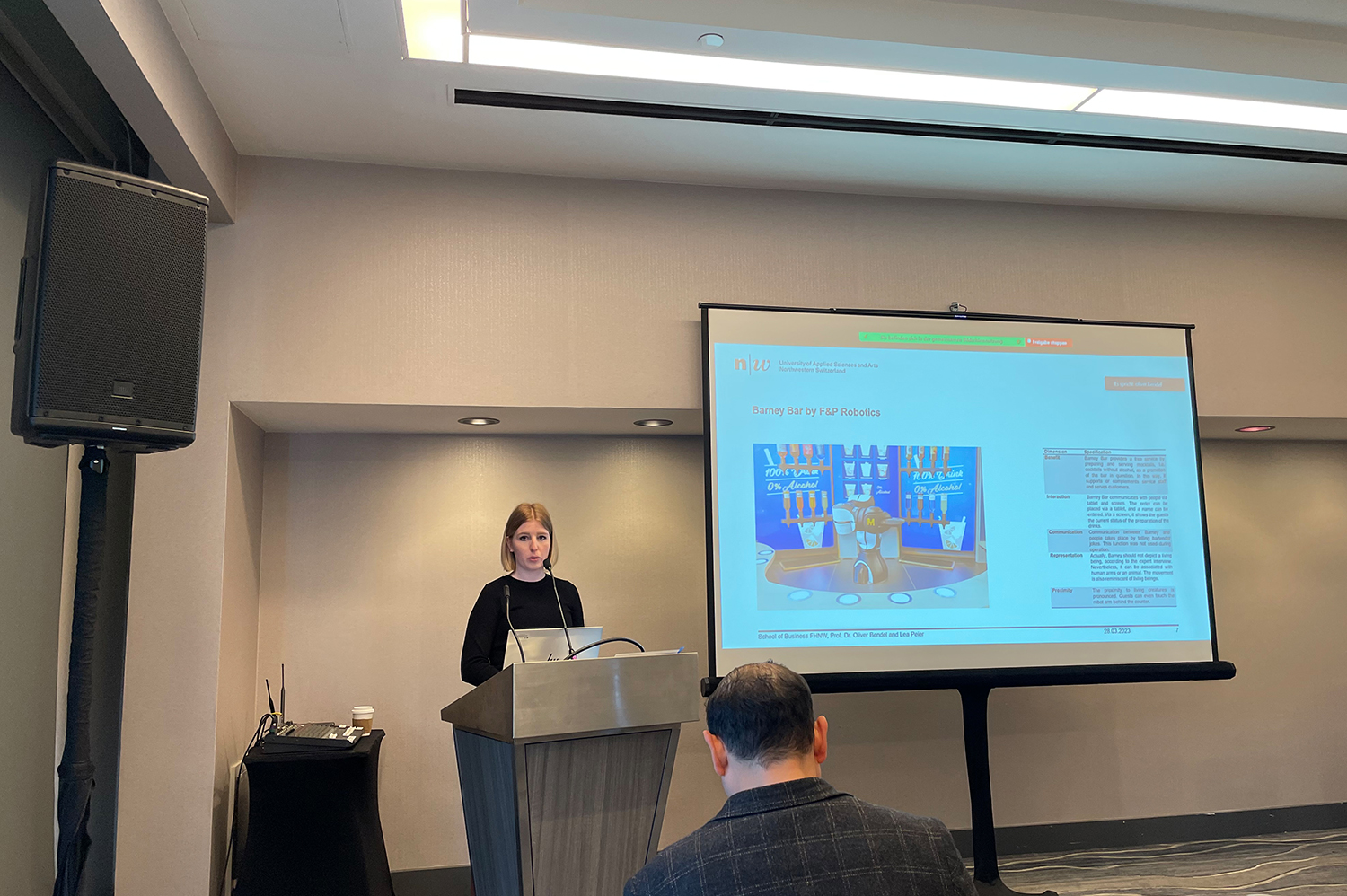
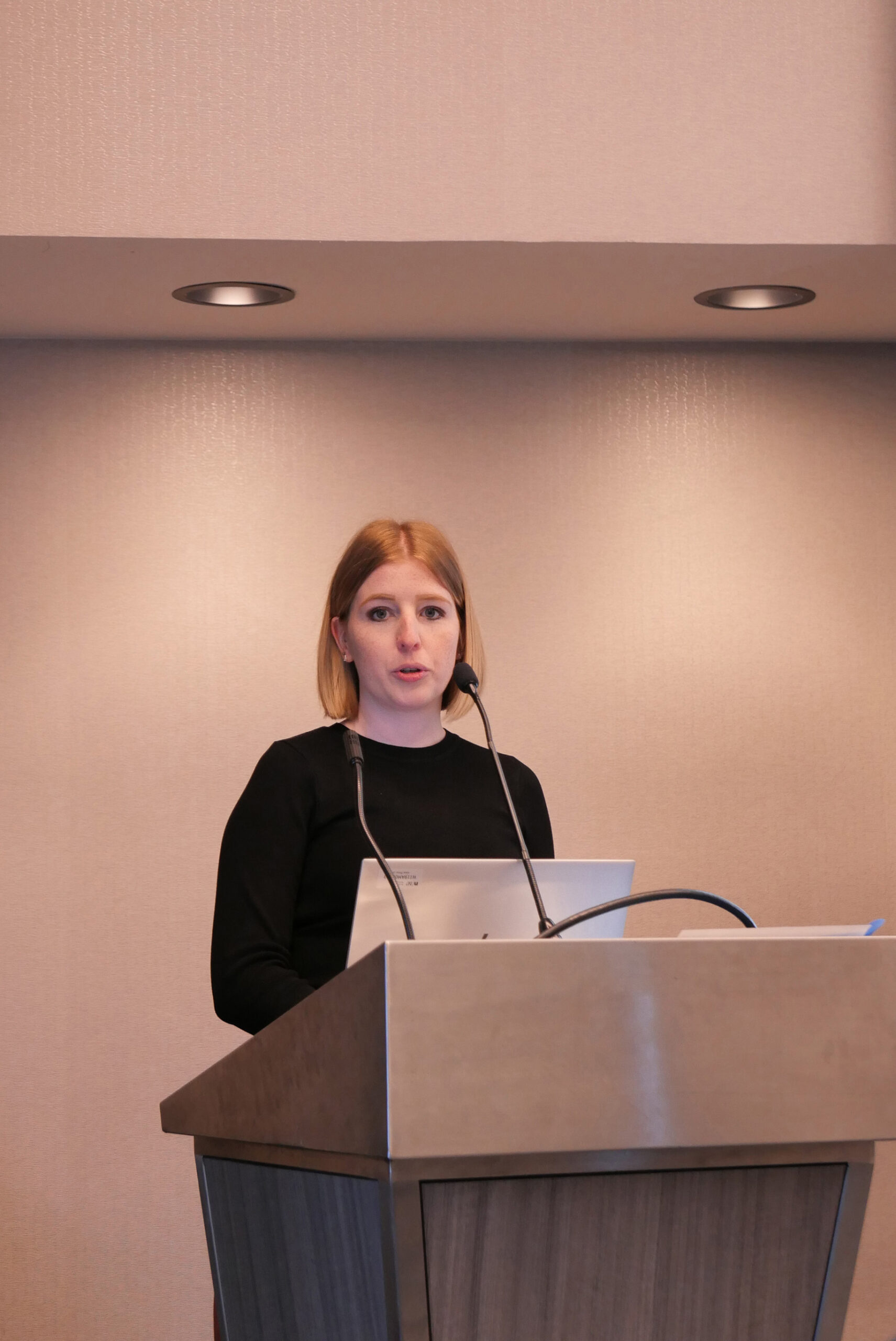
From March 27-29, 2023, the AAAI 2023 Spring Symposia featured the symposium „Socially Responsible AI for Well-being“ by Takashi Kido (Teikyo University, Japan) and Keiki Takadama (The University of Electro-Communications, Japan). This time the venue was exceptionally not Stanford University, but the Hyatt Regency SFO Airport. On March 28, Prof. Dr. Oliver Bendel and Lea Peier presented their paper „How Can Bar Robots Enhance the Well-being of Guests?“. The paper has now been published as a preprint and can be downloaded via arxiv.org/abs/2304.14410. From the abstract: „This paper addresses the question of how bar robots can contribute to the well-being of guests. It first develops the basics of service robots and social robots. It gives a brief overview of which gastronomy robots are on the market. It then presents examples of bar robots and describes two models used in Switzerland. A research project at the School of Business FHNW collected empirical data on them, which is used for this article. The authors then discuss how the robots could be improved to increase the well-being of customers and guests and better address their individual wishes and requirements. Artificial intelligence can play an important role in this. Finally, ethical and social problems in the use of bar robots are discussed and possible solutions are suggested to counter these.“ More information on the conference via aaai.org/conference/spring-symposia/sss23/.
„Oliver Bendel antwortet im März auf eine Interviewanfrage aus San Francisco. Der Informationsethiker ist auf dem Weg an ein Symposium, wo er über Umarmungsroboter und Barroboter referieren wird. Vor einigen Jahren hat er an derselben Veranstaltung der renommierten Association for the Advancement of Artificial Intelligence (AAAI) annotierte Entscheidungsbäume für moralische Maschinen vorgestellt. Wenn sich Bendel nicht gerade auf einer seiner vielen wissenschaftlichen Reisen befindet, forscht er in beschaulicher Umgebung: Seit 2009 bekleidet der 55-Jährige eine Professur für Informationsethik, Maschinenethik und Soziale Robotik an der Fachhochschule Nordwestschweiz (FHNW) in Brugg-Windisch.“ (Inside IT, 24. April 2023) Mit diesen Worten beginnt ein Artikel von Thomas Schwandener, der am 24. April 2023 in Inside IT erschienen ist. Weiter heißt es: „In seiner Arbeit geht es um das Zusammenleben von sozialen Robotern und Menschen, um die Potenziale künstlicher Intelligenz, aber auch um ethische Folgefragen. Bendel ist eine Autorität auf seinem Gebiet. Er hat mehrere Standardwerke verfasst, spricht an internationalen Fachtagungen und trat mehrfach vor dem Deutschen Bundestag als Sachverständiger auf.“ (Inside IT, 24. April 2023) Es folgt ein längeres Interview, das am Rande der Shift geführt wurde. Darin weist der Informations- und Maschinenethiker auf die tiefe Kluft zwischen Menschen und Maschinen hin. Der ganze Artikel kann hier aufgerufen werden.
Abb.: Oliver Bendel bei der Shift (Foto: Shift/Louis Rafael)
Am 20. April 2023 fand die Shift statt, eine Tagung zu Fragen von Informationsethik, Roboterethik und KI-Ethik. Initiatorin und Organisatorin ist Cornelia Diethelm. Moderatorin war wieder Patrizia Laeri. Die Keynote hielt Prof. Dr. Oliver Bendel aus Zürich. Er ging zunächst auf soziale Roboter ein und auf die Disziplinen Künstliche Intelligenz, Maschinenethik und Maschinelles Bewusstsein. Dann beschrieb er mehrere soziale Roboter, die auch als Serviceroboter im engeren Sinne eingesetzt werden. Auf dieser empirischen Basis stellte er ethische Überlegungen an. Am Ende behandelte er Sprachmodelle wie GPT-3 bzw. GPT-4 und PaLM-E. Er zeigte, wie soziale Roboter und Serviceroboter von diesen profitieren können, in ihrer Sprachfähigkeit und bei ihrer Wahrnehmung der Welt. Auch Ansätze der Maschinenethik waren ein Thema, von der Einpflanzung moralischer Regeln bis hin zur Nutzung von Moralmenüs. Ein Panel zur Regulierung von KI durch die EU fand am Nachmittag statt. Dabei stach die Schweizer Informatikerin und Unternehmerin Bea Knecht hervor, die nicht nur enorme fachliche Expertise hatte, sondern auch herausragende Reflexionsfähigkeiten – und eine genaue und anschauliche Sprache. Weitere Informationen zur Shift über digitalresponsibility.ch/digitaleethikkonferenz/ …
Abb.: Oliver Bendel im Gespräch mit Patrizia Laeri (Foto: Shift/Louis Rafael)
Next to Robophilosophy, ICSR may be the most important conference on social robotics. The fourteenth edition took place in Florence at the end of 2022 and was dedicated to the health sector. „The 15th International Conference on Social Robotics (ICSR 2023) will bring together researchers and practitioners working on the interaction between humans and intelligent robots and on the integration of social robots into our society. ICSR 2023 will take place in Doha as a face-to-face conference on December 4-7, 2023. This will be the first time that the conference will be hosted in Qatar and in the Middle East and North Africa region.“ (Website ICSR) The theme of this year’s ICSR is „Human-Robot Collaboration: Sea, Air, Land, Space and Cyberspace“. According to the organizers, the theme emphasizes on all physical and cyber-physical domains where humans and robots collaborate. More information and CfP via icsr23.qa.
The Tenth International Conference on Animal-Computer Interaction will be held December 4-8, 2023, in Raleigh, North Carolina, hosted by North Carolina State University. „ACI is the leading International Conference on Animal-Computer Interaction. It is a highly multidisciplinary event drawing researchers and practitioners from diverse backgrounds to share and discuss work and topics related to the research and design of computing-enabled and interactive technology for and with animals.“ (Website ACI) The Ninth International Conference on Animal-Computer Interaction was held in Newcastle upon Tyne at the end of 2022. Also this year the organizers are interested in a variety of topics in animal-computer interaction and animal-machine interaction, as the call for papers (CfP) reveals: „Submissions might address topics such as: the role of technology in shaping human-animal relationships; studies and/or analysis of large-scale technology for animal deployments; considerations on the wider context of technology for animal use; methods and reflections on studying the next generation of technology for animals; or how to conduct ACI research in a world where commercial design and deployment of technology for animals outpaces academic thought.“ (Website ACI) The CfP can be accessed at www.aciconf.org/aci2023.
Fig.: The William B. Umstead State Park in North Carolina
„Die Shift ist eine exklusive Plattform zur Digitalen Ethik. Was begeistert uns bei neuartigen Angeboten, die dank Big Data, Künstlicher Intelligenz & Co. möglich sind? Was akzeptieren Kundinnen und Kunden sowie die Gesellschaft, was nicht? Und wo sind Grenzen nötig? Diese Fragen stehen im Zentrum der Shift. Es geht um aktuelle Kundenerwartungen sowie Akzeptanz und Vertrauen im digitalen Raum.“ (Website Shift) So steht es auf der Website der Tagung, die 2023 bereits in die fünfte Runde geht. Die Keynote hält Prof. Dr. Oliver Bendel aus Zürich. Er geht zunächst auf soziale Roboter ein und auf die Disziplinen Künstliche Intelligenz, Maschinenethik und Maschinelles Bewusstsein. Dann beschreibt er mehrere soziale Roboter, die auch als Serviceroboter im engeren Sinne eingesetzt werden. Auf dieser empirischen Basis stellt er ethische Überlegungen an. Am Ende behandelt er Sprachmodelle wie GPT-3 bzw. GPT-4 und PaLM-E. Er zeigt, wie soziale Roboter und Serviceroboter von diesen profitieren können, in ihrer Sprachfähigkeit und bei ihrer Wahrnehmung der Welt. Auch Ansätze der Maschinenethik sind ein Thema, von der Einpflanzung moralischer Regeln bis hin zur Nutzung von Moralmenüs. Weitere Informationen zur Shift über digitalresponsibility.ch/digitaleethikkonferenz/ …
„Mit den seit 1998 stattfindenden Hannah-Arendt-Tagen erinnert Hannover an die 1906 in Linden geborene, bedeutende Tochter der Landeshauptstadt.“ (Website Stadt Hannover) Die jüdische Vertreterin der Politischen Theorie, die aus Nazideutschland floh, forschte u.a. zum Totalitarismus. „Ein Kuratorium mit Mitgliedern aus Wissenschaft, Politik, Kunst, Stiftungen und Verwaltung wählt jährlich ein aktuelles Thema aus und stellt es einem breiten Publikum zur Diskussion.“ (Website Stadt Hannover) Dies wird ermöglicht mit Hilfe von Experten und Expertinnen, die von Dr. Sabine Meschkat-Peters – vom Büro des Oberbürgermeisters, der Vorsitzender des Kuratoriums ist – nach Hannover eingeladen werden und dort einen Vortrag halten. Sie müssen zudem ein Manuskript abgeben, das in den jeweiligen Sammelband aufgenommen wird. Allerdings nicht unbedingt im originalen Wortlaut, denn die Herausgeberin Prof. Dr. Franziska Martinsen greift in die Texte ein, auch gegen den ausdrücklichen Willen der Autoren. Sie ist eine Verfechterin gegenderter Sprache und fügt Gendersternchen ein, die in der deutschen Sprache nicht vorgesehen sind. Damit verursacht sie Rechtschreib- und Grammatikfehler in fremden Texten und macht diese missverständlich und unlesbar. Zudem verletzt sie Urheberrecht, Persönlichkeitsrecht und Wissenschaftsfreiheit der Autoren. Diese erhalten von der Stadt Hannover auf Anfrage keine Hilfe in dieser Sache und werden lediglich an die Herausgeberin und die Presseabteilung der Stadt verwiesen. Auch der Verlag Velbrück nimmt seine Verantwortung nicht wahr und diskreditiert sich selbst als Wissenschaftsverlag. Dass dies alles ausgerechnet im Namen einer Totalitarismusforscherin geschieht, die sich nicht mehr wehren kann, gibt zu denken.
The AAAI Spring Symposia is a legendary conference that has been held since 1992. It usually takes place at Stanford University. Until 2018, the leading US artificial intelligence organization itself published the proceedings. Since 2019, each symposium is responsible for its own. Following a restructuring of the AAAI website, the proceedings can be found in a section of the new „AAAI Conference and Symposium Proceedings“ page. In 2016, Stanford University hosted one of the most important gatherings on machine ethics and robot ethics ever, the symposium „Ethical and Moral Considerations in Non-Human Agents“ … Contributors included Peter M. Asaro, Oliver Bendel, Joanna J. Bryson, Lily Frank, The Anh Han, and Luis Moniz Pereira. Also present was Ronald C. Arkin, one of the most important and – because of his military research – controversial machine ethicists. The 2017 and 2018 symposia were also groundbreaking for machine ethics and attracted experts from around the world. The papers can be accessed at aaai.org/aaai-publications/aaai-conference-proceedings.
The ACI took place from 5 to 8 December 2022 in Newcastle upon Tyne. It is the world’s leading conference on animal-computer interaction. The proceedings were published in the ACM Library on March 30, 2023. They include the paper „A Face Recognition System for Bears: Protection for Animals and Humans in the Alps“ by Oliver Bendel and Ali Yürekkirmaz. From the abstract: „Face recognition, in the sense of identifying people, is controversial from a legal, social, and ethical perspective. In particular, opposition has been expressed to its use in public spaces for mass surveillance purposes. Face recognition in animals, by contrast, seems to be uncontroversial from a social and ethical point of view and could even have potential for animal welfare and protection. This paper explores how face recognition for bears (understood here as brown bears) in the Alps could be implemented within a system that would help animals as well as humans. It sets out the advantages and disadvantages of wildlife cameras, ground robots, and camera drones that would be linked to artificial intelligence. Based on this, the authors make a proposal for deployment. They favour a three-stage plan that first deploys fixed cameras and then incorporates camera drones and ground robots. These are all connected to a control centre that assesses images and developments and intervenes as needed. The paper then discusses social and ethical, technical and scientific, and economic and structural perspectives. In conclusion, it considers what could happen in the future in this context.“ The proceedings can be accessed via dl.acm.org/doi/proceedings/10.1145/3565995.
Der 28. März 2023 war der zweite Tag des Symposiums „Socially Responsible AI for Well-being“ im Rahmen der AAAI 2023 Spring Symposia. Veranstaltungsort ist normalerweise die Stanford University. Aus personellen Gründen wurde die Konferenz in diesem Jahr ins Hyatt Regency in San Francisco verlegt. Prof. Dr. Oliver Bendel von der Hochschule für Wirtschaft FHNW stellte am Morgen das Paper „Increasing Well-being through Robotic Hugs“ vor, das von ihm, Andrea Puljic, Robin Heiz, Furkan Tömen und Ivan De Paola verfasst wurde. Das Team hatte einen Umarmungsroboter namens HUGGIE gebaut und an über 130 Probanden getestet. Wärme und Weichheit – dies betonen auch Kuchenbecker und Block – sind wesentlich für die Akzeptanz. Stimme, Geruch und Herzschlag werden sehr unterschiedlich bewertet. Eine weibliche Stimme könnte die Akzeptanz bei einer Umarmung durch den Roboter verbessern. Danach hielten Lea Peier und er ihren Vortrag „How Can Bar Robots Enhance the Well-being of Guests?“. Sie gingen auf zwei Barroboter ein, die in der Schweiz im Betrieb sind bzw. waren. Informationen zur Konferenz sind über aaai.org/conference/spring-symposia/sss23/ erhältlich.
Abb.: Oliver Bendel bei seinem Vortrag zu Umarmungsrobotern (Foto: Lea Peier)
Der 28. März 2023 war der zweite Tag des Symposiums „Socially Responsible AI for Well-being“ im Rahmen der AAAI 2023 Spring Symposia. Veranstaltungsort ist normalerweise die Stanford University. Aus personellen Gründen wurde die Konferenz in diesem Jahr ins Hyatt Regency in San Francisco verlegt. Prof. Dr. Oliver Bendel von der Hochschule für Wirtschaft FHNW stellte am Morgen das Paper „Increasing Well-being through Robotic Hugs“ vor, das von ihm, Andrea Puljic, Robin Heiz, Furkan Tömen und Ivan De Paola verfasst wurde. Das Team hatte einen Umarmungsroboter namens HUGGIE gebaut und an über 130 Probanden getestet. Danach hielten Lea Peier und er ihren Vortrag „How Can Bar Robots Enhance the Well-being of Guests?“. Sie gingen auf zwei Barroboter ein, die in der Schweiz im Betrieb sind bzw. waren. Lea Peier hatte im Rahmen ihrer Abschlussarbeit an der Hochschule für Wirtschaft FHNW die wohl erste empirische Untersuchung zu Barrobotern durchgeführt. Beide Vorträge weckten das Interesse der Zuhörer, die vor allem aus Japan und den USA stammten. Informationen zur Konferenz sind über aaai.org/conference/spring-symposia/sss23/ erhältlich.
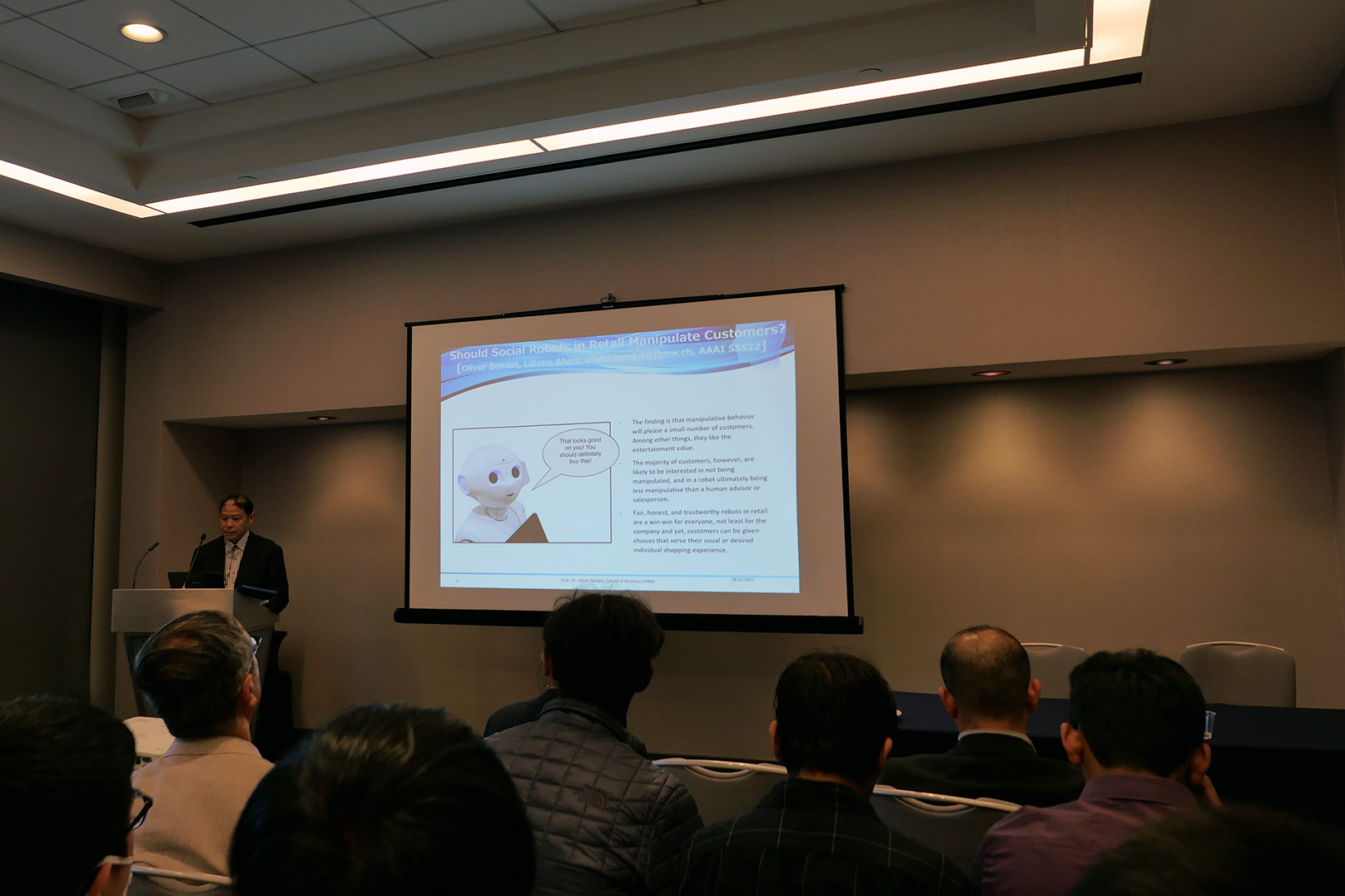
Am 27. März 2023 begann das Symposium „Socially Responsible AI for Well-being“ im Rahmen der AAAI 2023 Spring Symposium Series. Die traditionsreiche Konferenz wurde ausnahmsweise von der Stanford University ins Hyatt Regency SFO Airport verlegt. In seinem Eröffnungsvortrag erklärte Takashi Kido, einer der beiden Organisatoren, was Responsible AI ist, und erwähnte die Begriffe „Accountability“, „Responsibility“ und „Transparency“. Der Fokus des Symposiums ist Well-being und Fairness. Takashi Kido erwähnte den Vortrag „Should Social Robots in Retail Manipulate Customers?“ von Prof. Dr. Oliver Bendel beim Symposium „How Fair is Fair? Achieving Wellbeing AI“ von 2022, der auf dem gleichnamigen Paper von Oliver Bendel und Liliana Alves beruhte. Er leitete dann über zum Begriff “Socially Responsible AI“, wobei er folgende Diskussion benutzte: „Socially Responsible AI is about human responsibility for the development of intelligent systems along fundamental human principles and values, to ensure human flourishing and well-being in a sustainable world, considering for humans and AI ideal relationships“. Am Ende durften auch Überlegungen zu ChatGPT nicht fehlen. Es schloss sich eine intensive Diskussion über den Chatbot an, der zugleich ein Contentgenerator ist. Das Faszinierende ist, dass dieses Thema Laien und Experten gleichermaßen aufwühlt. Informationen zur Konferenz sind über aaai.org/conference/spring-symposia/sss23/ erhältlich.