The 19th International Conference on Social Robotics (ICSR + Health 2027) will take place from July 25 to 28, 2027, on the Griebnitzsee Campus of the University of Potsdam in Potsdam, Germany. ICSR is the leading international forum that brings together researchers, academics, and industry professionals from across disciplines to advance the field of social robotics. Hosted by the University of Potsdam, ICSR + Health 2027 will provide an international platform for scientific exchange, interdisciplinary collaboration, and innovation at the intersection of social robotics and health. The conference welcomes researchers, practitioners, industry partners, and students from around the world working in areas such as social robotics, embodied AI, human–robot interaction, cognitive science, healthcare, psychology, rehabilitation, design, ethics, and related disciplines. Participants will have opportunities to present their research, propose workshops or symposia, take part in the Grand Challenge, volunteer, or support the conference as sponsors. The Honorary Chair is Prof. Dr. Martin Fischer, head of the Potsdam Embodied Cognition Group (PECoG). The General Chairs are Dr. Katharina Kühne of the University of Potsdam and PECoG, Prof. Dr. Ilona Buchem of Berlin University of Applied Sciences (BHT), and Prof. Dr. Oliver Bendel of the FHNW School of Business. Bendel is also an associated researcher at PECoG and, starting September 1, 2026, will be a visiting researcher at the University of Potsdam for one year. The General Co-Chair is Prof. Dr. John-John Cabibihan of Qatar University. Further information, including calls for papers, workshops, the Grand Challenge, volunteering opportunities, sponsorship packages, and registration details, will be announced on the conference website: icsr2027.org.
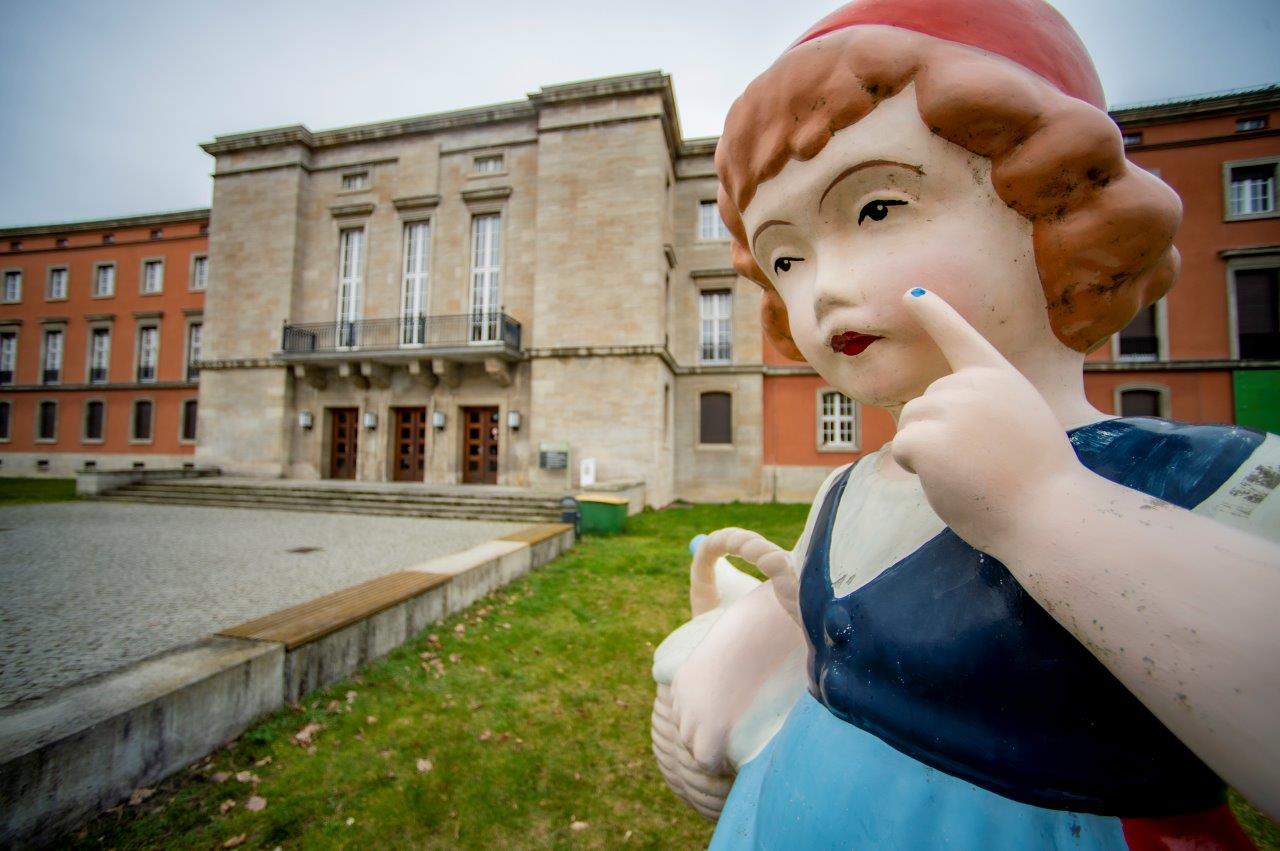
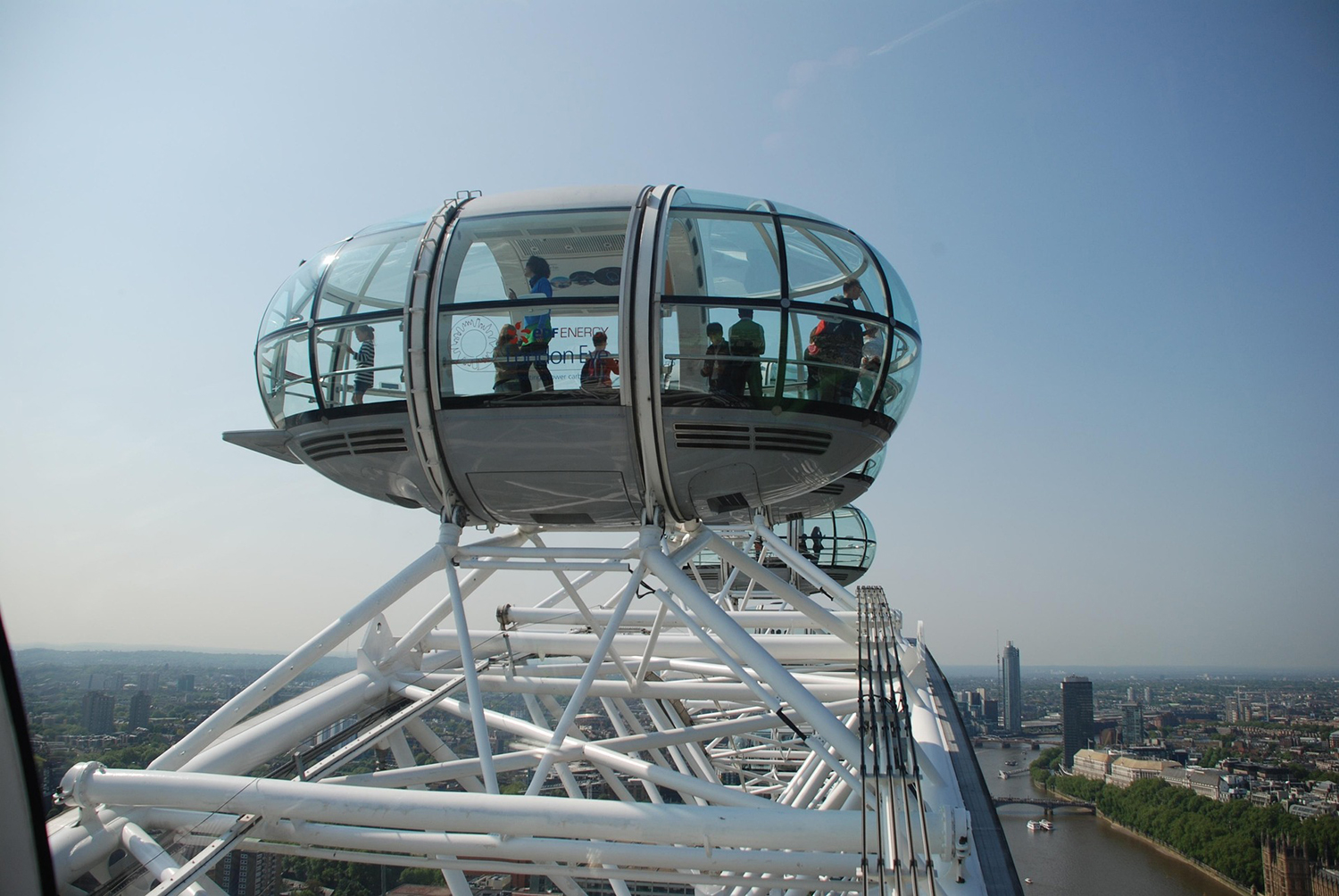
Fig.: Campus Griebnitzsee (Photo: University of Potsdam/Tobias Hopfgarten)
The Robophilosophy 2026 conference took place from August 11–14, 2026, at University College Dublin (UCD) in Dublin, Ireland. Held under the theme „Connected Futures – Nature, Robots, and Society“, the seventh installment of the international conference series brought together researchers from a wide range of disciplines to explore how robotics and artificial intelligence are transforming human societies and the natural world. On the first day of the conference, Katharina Kühne presented the paper „No Red Romance for Robots? Investigating the Red Attraction Effect in Humanlike Robots“, authored by Emma Luisa M. Waller, Diana P. Ebenburger, Oliver Bendel, Martin Fischer, and herself. The study investigates whether the red-attraction effect known from research on human perception also occurs when people evaluate humanlike robots. From the abstract: „The color red has been shown to positively influence ratings of attractiveness and willingness to spend money (e.g., on a date), while having no effect on other perceptions, such as likeability. In an online study, we aimed to conceptually replicate the red-attraction effect using humanoid robots as stimuli. Forty-four heterosexual female participants evaluated 16 images of medium and highly humanlike robots on attractiveness, likeability, trustworthiness, and willingness to spend money to rent the robot. We found no evidence of a red-attraction effect. Female-looking robots received higher ratings overall. These findings have implications for robot design and suggest that basic cues, such as color, may not operate in the same way for robots. Instead, humanoid robots may constitute a distinct category but still be perceived as social agents.“ The proceedings, containing all conference papers, are expected to become available in late 2026.
Other robot conferences have robot or drone shows – at Robophilosophy 2026 in Dublin, you could admire a solar eclipse. This year’s Organizing Committee consists of Prof. Naonori Kodate, Dr. Vivek Nallur, and Dr. Sun Park of University College Dublin. The Series Organizer is Prof. Johanna Seibt of Aarhus University. Together, they have succeeded in putting together a philosophically ambitious program. In antiquity, Thales of Miletus (c. 624–546 BCE) was one of the thinkers who took a particular interest in solar eclipses. To the general public, the philosopher is perhaps best known as a mathematician. He is credited with predicting a solar eclipse, probably the eclipse of May 28, 585 BCE. Other ancient thinkers and astronomers, such as Anaxagoras, also studied solar eclipses and sought to explain them in natural rather than mythological terms. Robophilosophy 2026 opened on August 11 at University College Dublin (UCD) in Dublin, Ireland. Running through August 14 under the theme „Connected Futures – Nature, Robots, and Society“, the conference brings together researchers from across disciplines to explore how robotics and artificial intelligence are reshaping society and our relationship with the natural world.
The 19th International Conference on Social Robotics (ICSR + Health 2027) will take place in July 2027 in Potsdam, Germany. ICSR is the leading international forum that brings together researchers, academics, and industry professionals from across disciplines to advance the field of social robotics. Hosted by the University of Potsdam, ICSR + Health 2027 will provide an international platform for scientific exchange, interdisciplinary collaboration, and innovation at the intersection of social robotics and health. The conference welcomes researchers, practitioners, industry partners, and students from around the world working in areas such as social robotics, embodied AI, human–robot interaction, cognitive science, healthcare, psychology, rehabilitation, design, ethics, and related disciplines. Participants will have opportunities to present their research, propose workshops or symposia, take part in the Grand Challenge, volunteer, or support the conference as sponsors. The General Chairs are Katharina Kühne of the University of Potsdam and the Potsdam Embodied Cognition Group (PECoG), Ilona Buchem of Berlin University of Applied Sciences (BHT), and Oliver Bendel of the FHNW School of Business (also associated researcher at the PECoG). The General Co-Chair is John-John Cabibihan of Qatar University. Further information, including calls for papers, workshops, the Grand Challenge, volunteering opportunities, sponsorship packages, registration details, and the exact conference dates, will be announced on the conference website: icsr2027.org.
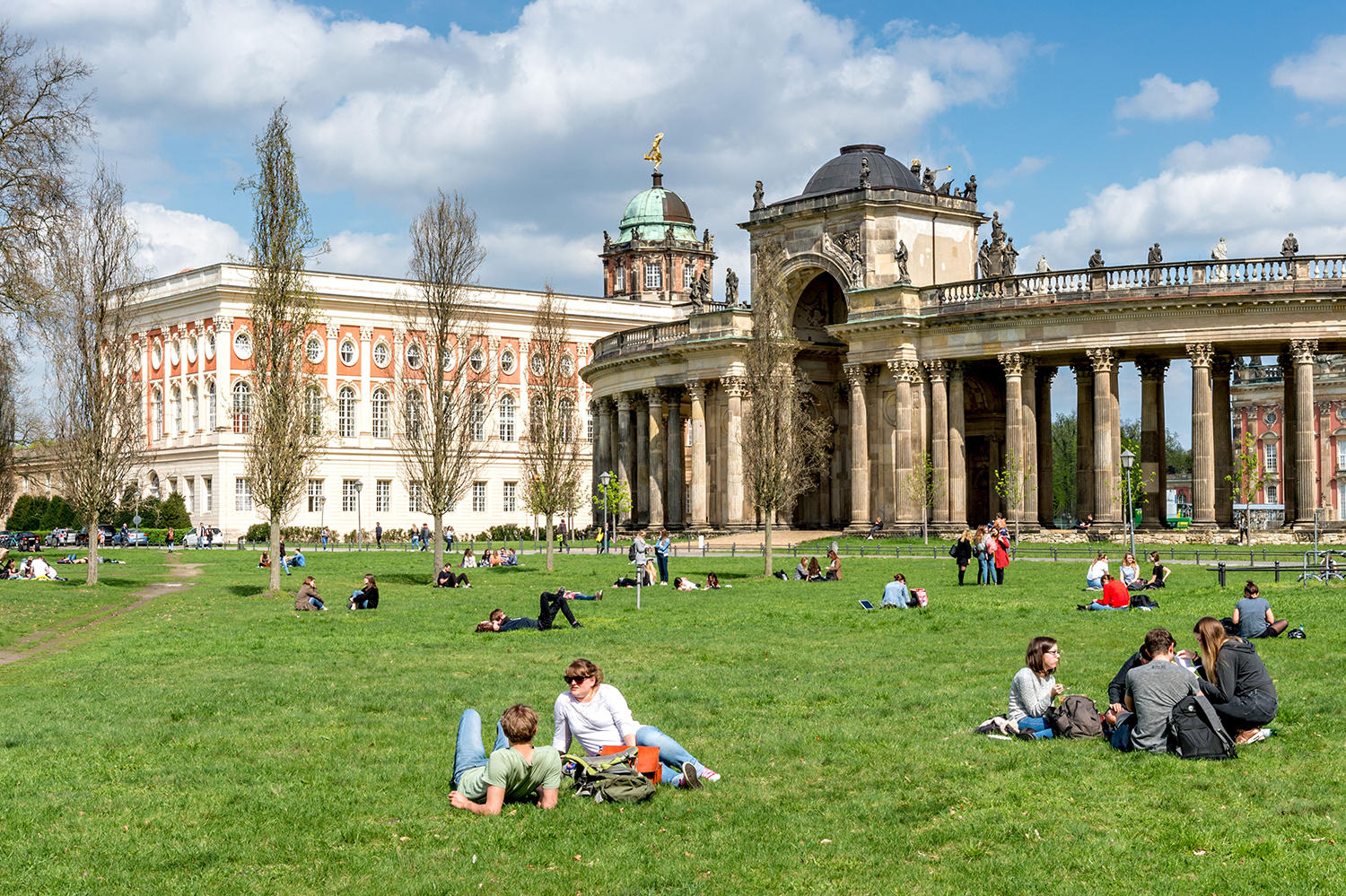
Fig.: At the Neues Palais in Potsdam (Photo: Karla Fritze)
Die General Chairs der ICSR + Art 2026 vom 1. bis 4. Juli in London waren Hooman Samani und Saina Akhond, beide von der University of the Arts London, mit John-John Cabibihan, Qatar University, als General Co-Chair. Oliver Bendel hatte unterschiedliche Funktionen inne. In der einjährigen Zeit der Vorbereitung fungierte er als Publicity Chair. Er verfasste Basistexte zu wichtigen Ereignissen, die dann als Posts in seinen Blogs verwendet und vom Social Media Chair, Nihan Karataş, zu geeigneten Texten für die sozialen Medien transformiert wurden. Bei der Session 18 mit dem Titel „Identity, Narratives & Power“ am dritten Tag war er Chair zusammen mit Neziha Akalin. Bei der Design Grand Challenge und der Art Grand Challenge war er Mitglied der Jury, zusammen mit Pramidan Caleb-Solly, Alessandra Sorrentino, Sarah Shelby und Heather Knight. Als Wissenschaftler stellte er sein Paper „Kiss Me More: Artificial Lips for Intimate Encounters“ vor und war Drittautor des Papers „Reading Between the Laughs: A Human-Referenced Audio Evaluation of MLLMs for Social Robotics“ seines Data-Science-Studenten Sahan Hatemo und seiner ehemaligen Doktorandin Katharina Kühne. Ein Booklet der führenden Konferenz zur Sozialen Robotik verzeichnet alle Engagements, Events und Talks. Bei der ICSR + Art 2027 in Potsdam ist Oliver Bendel General Chair neben Katharina Kühne und Ilona Buchem.
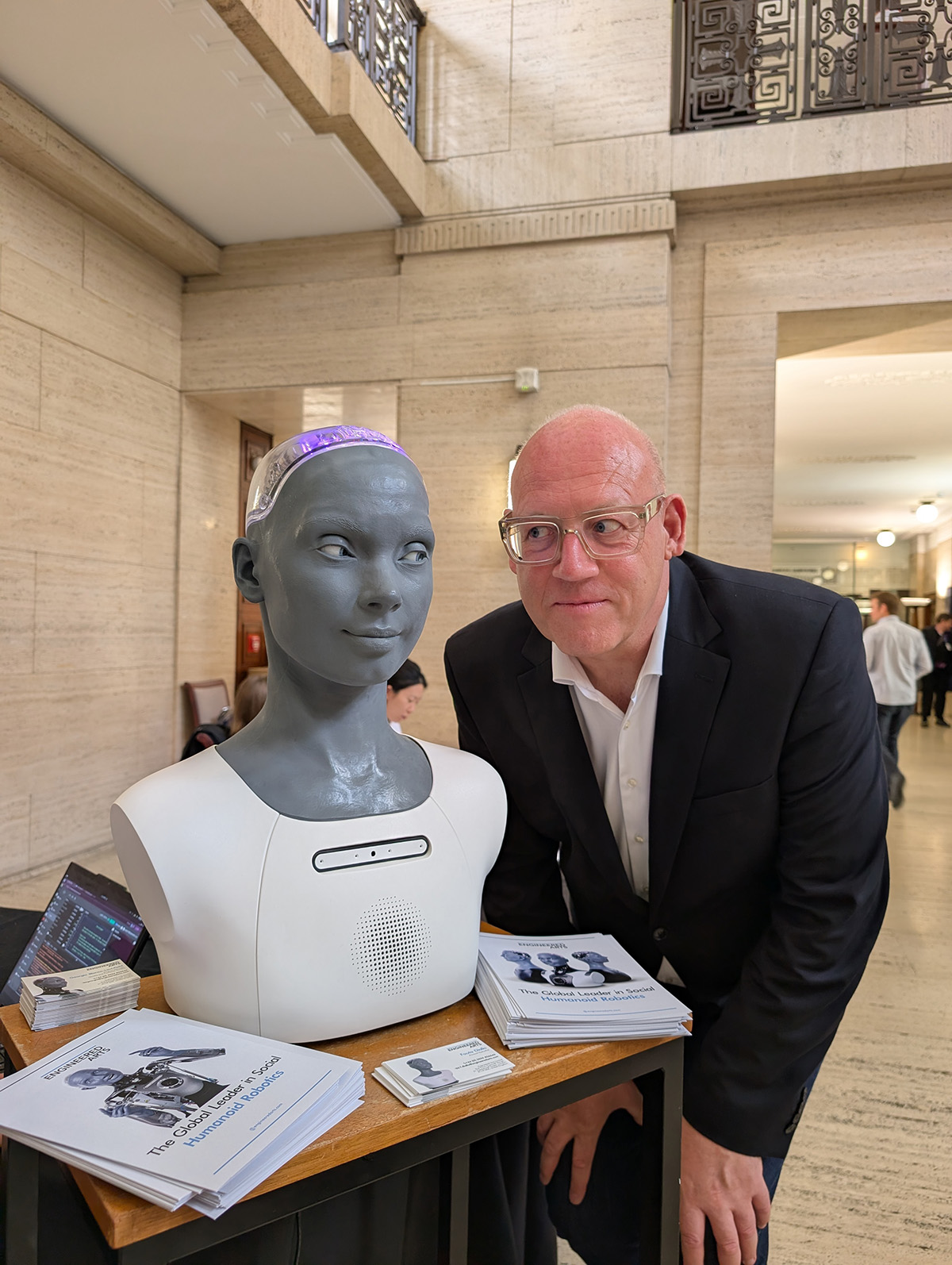
Abb.: Oliver Bendel bei der ICSR + Art 2026 mit Ameca
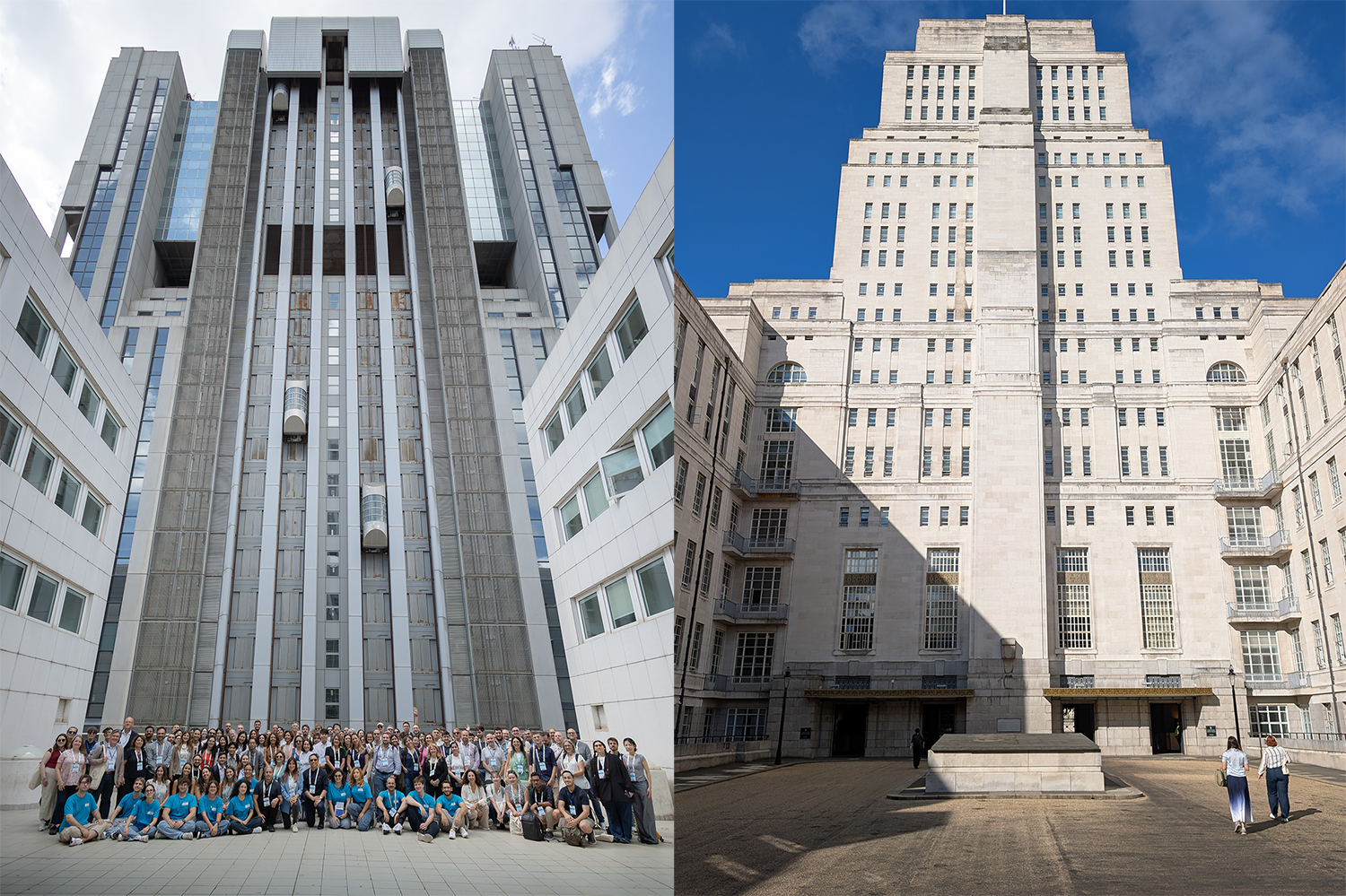
Hosting ICSR + AI 2025 at the University of Naples Parthenope’s campus in the Centro Direzionale and ICSR + Art 2026 at London’s Senate House offers an intriguing architectural juxtaposition. The Parthenope building reflects the late twentieth century’s fascination with technology, functionality, and verticality. Its exposed structural elements, metallic cladding, and dramatic symmetry embody the modernist vision of Naples‘ business district, creating an atmosphere that is distinctly contemporary and forward-looking. In contrast, Senate House, completed in 1937, is one of London’s finest examples of Art Deco monumentalism. Designed by Charles Holden, its clean limestone façades, carefully proportioned massing, and restrained ornament express dignity, permanence, and institutional authority. While both buildings share a striking vertical emphasis and a commanding presence within their respective urban settings, they represent different architectural ideals. The Parthenope campus celebrates innovation and technological expression, whereas Senate House conveys intellectual tradition through timeless geometric order and classical monumentality interpreted in a modern idiom. Although the conference venues were, of course, chosen because they are university buildings rather than for their architectural symbolism, it is nevertheless an appealing coincidence that the futuristic setting of ICSR + AI 2025 is followed by the artistic and historic character of Senate House for ICSR + Art 2026. Together, the two venues provide memorable settings for consecutive ICSR conferences, illustrating how academic exchange can unfold in environments that reflect very different architectural visions.
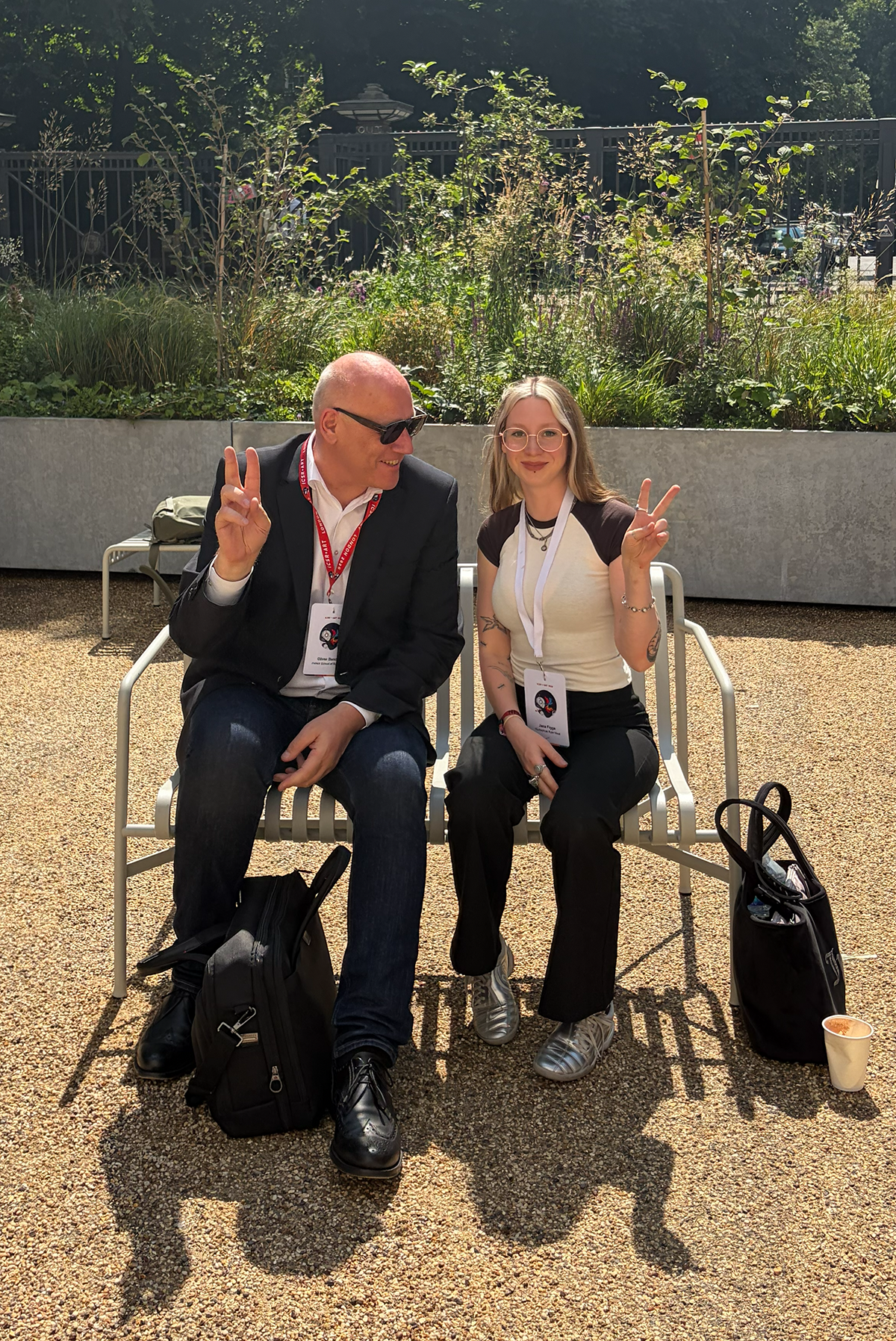
The Victory sign (V sign) first gained worldwide recognition during World War II as a symbol of victory before becoming the iconic gesture of the hippie movement, representing peace. Since then, it has become part of popular culture, appeared in business settings, and today remains a favorite pose among many people in Generation Z. One detail matters, especially in the UK: with the palm facing outward, the gesture means victory or peace. With the back of the hand facing outward, however, it is considered an offensive gesture. At ICSR + Art 2026 in London, Oliver Bendel (Generation X, FHNW School of Business) and Jana Figge (Generation Z, Hochschule Ruhr West) celebrated their presentations on social robots with the same gesture. Across generations, the Victory sign expressed shared success, relief, and the pleasure of seeing their work received with genuine interest by the research community. Do humanoid robots use the Victory sign as well? They certainly can perform expressive hand gestures, but a widely documented example of a robot intentionally using the V sign as a social gesture is surprisingly hard to find. Perhaps that is a small challenge for the next generation of social robots.
Fig.: Oliver Bendel and Jana Figge at ICSR + Art 2026 (Photo: Hooman Samani)
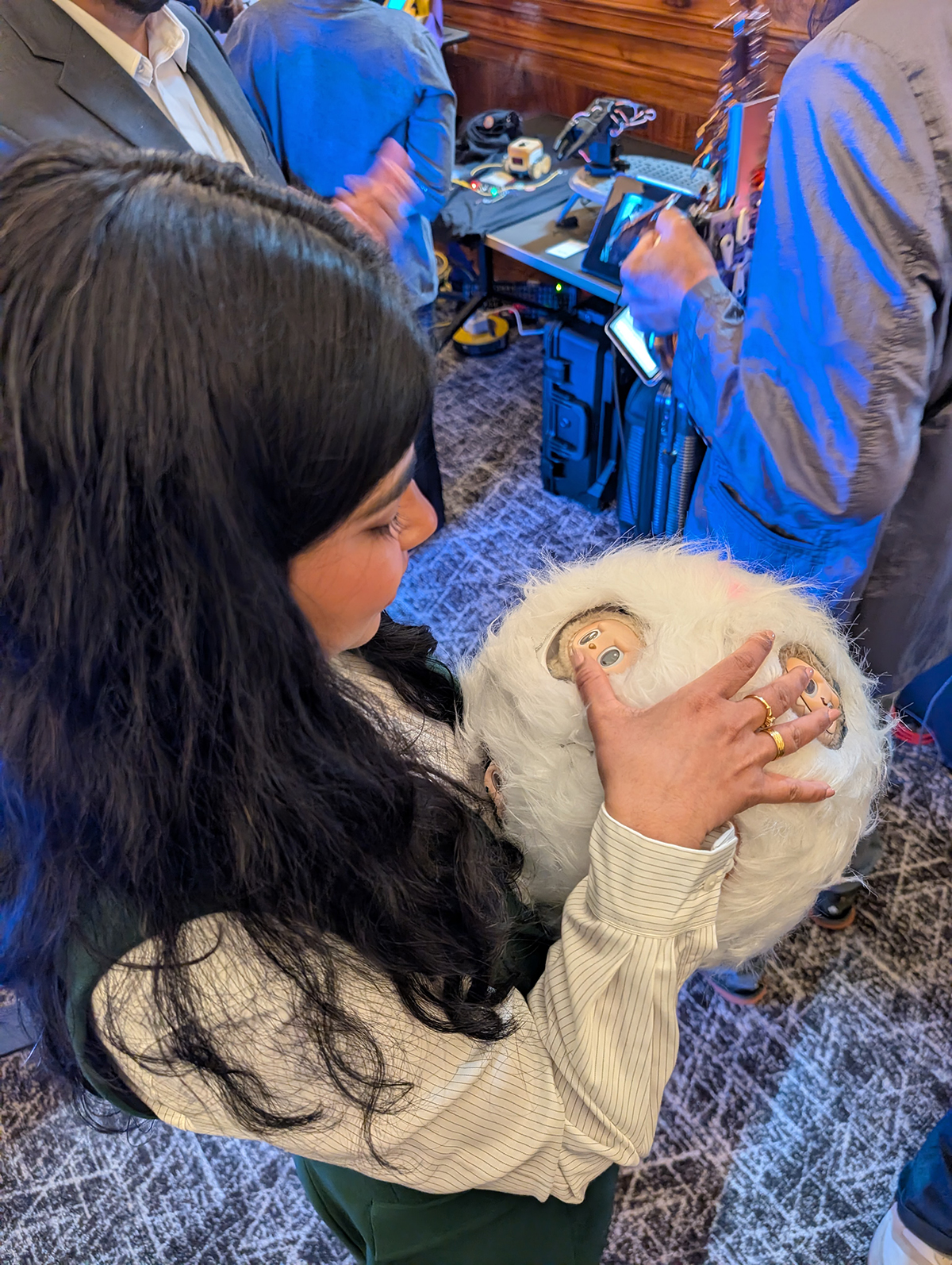
The 18th International Conference on Social Robotics (ICSR + Art 2026) took place from July 1–4, 2026, bringing together researchers, academics, and industry professionals from around the world to discuss the latest advances in social robotics. On the opening day, the ICSR Grand Challenge presentations, including optional demonstrations, took place in the Debate Hall. One of the standout projects was Labububot, presented by Miranda Li and developed by Miranda Li, Jake Read, Dimitar Dimitrov, and Cynthia Breazeal at the Massachusetts Institute of Technology. According to the MIT Media Lab, „This is Labububot — one of the rarest monsters on Earth. Twelve Labubu heads are reconstituted into a single spherical form: a Frankenstein’s Monster of pop culture iconography. Labububot is a playful critique of social robots, and a question made physical – what do the monsters we make reveal about the monsters we are?“ … Instead of following the familiar approach of designing social robots to be cute, friendly, and emotionally unambiguous, Labububot deliberately embraces monster theory and explores the productive potential of the uncanny. From the perspective of Oliver Bendel’s robot classification, Labububot can be regarded as a mythomorphic robot. It consists of twelve monster figures and also belongs to the category of soft robots, although it incorporates rigid structural elements. By combining unconventional design with references to popular culture and fashion, Labububot became one of the most memorable projects presented during the Grand Challenge. Rumor has it that the idea for the spherical monster emerged after its creators had enjoyed a few drinks too many, although this anecdote is best taken as part of the project’s growing mythology rather than established fact.
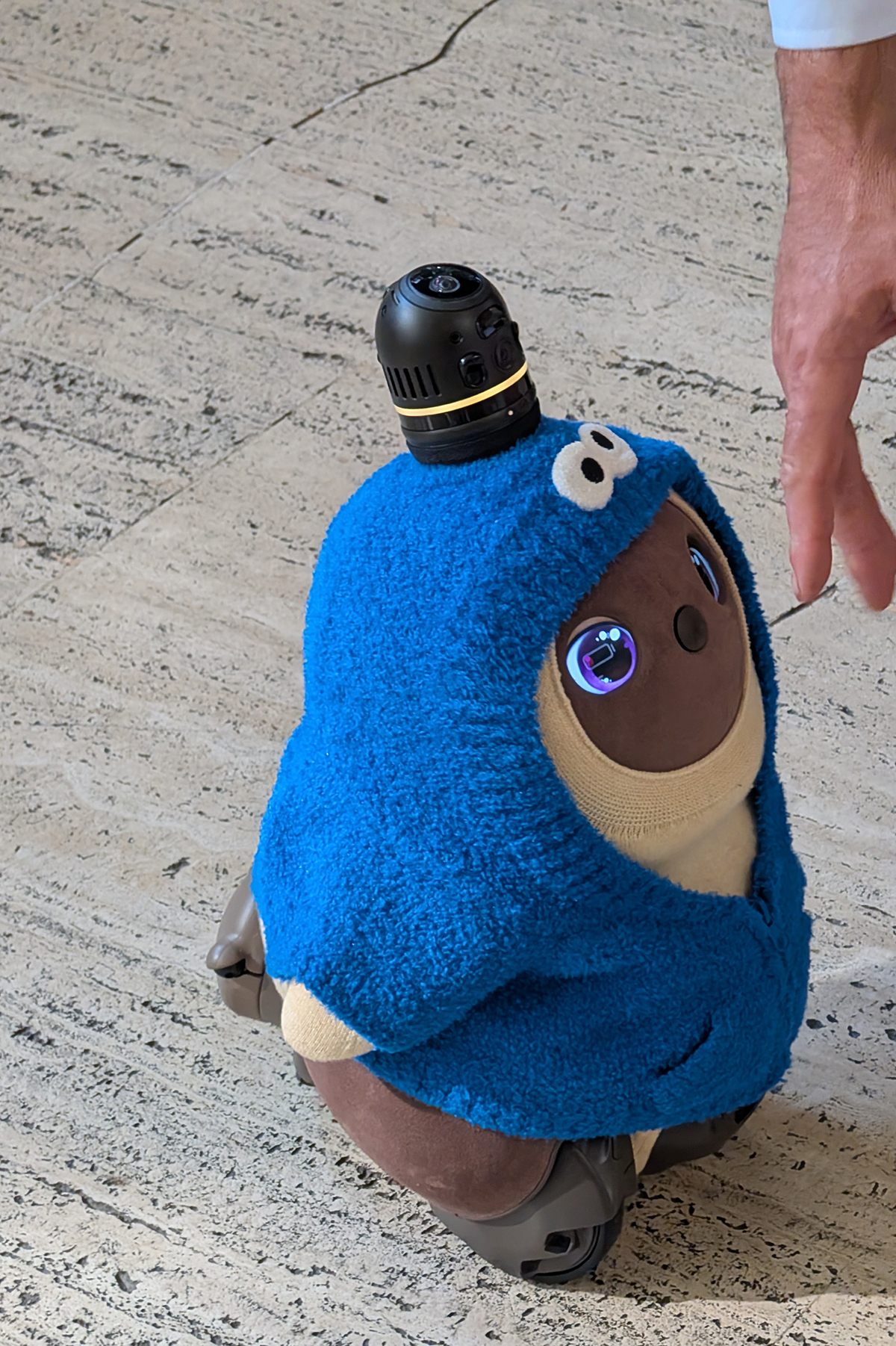
The 18th International Conference on Social Robotics (ICSR + Art 2026) took place in London from July 1–4, bringing together researchers, academics, and industry professionals from around the world to explore the latest advances in social robotics. As in previous years, the conference featured an extensive and impressive exhibition showcasing a wide range of social robots and related technologies. Among the highlights was LOVOT, the companion robot developed by GROOVE X, which exemplifies the concept of Emotional Robotics by focusing not on productivity but on strengthening the human capacity for affection and attachment. Equipped with more than 50 sensors, multiple processors, deep learning capabilities, cameras, microphones, touch sensors, and autonomous navigation, LOVOT continuously perceives its environment and adapts its behavior in real time rather than following fixed scripts. Its expressive eyes, lifelike vocalizations, and highly responsive movements create the impression of interacting with a living creature. Particularly striking are its exceptionally soft body and its warm surface, maintained at a temperature similar to that of a human, making holding and hugging the robot feel surprisingly natural. Another remarkable aspect is Robot Enhancement through clothing and accessories. LOVOT can be dressed in a wide variety of outfits, allowing owners to personalize its appearance and reinforce their emotional bond with the robot. This combination of advanced artificial intelligence, sophisticated sensing, physical softness, warmth, and customization makes LOVOT one of the most distinctive examples of contemporary social robotics.
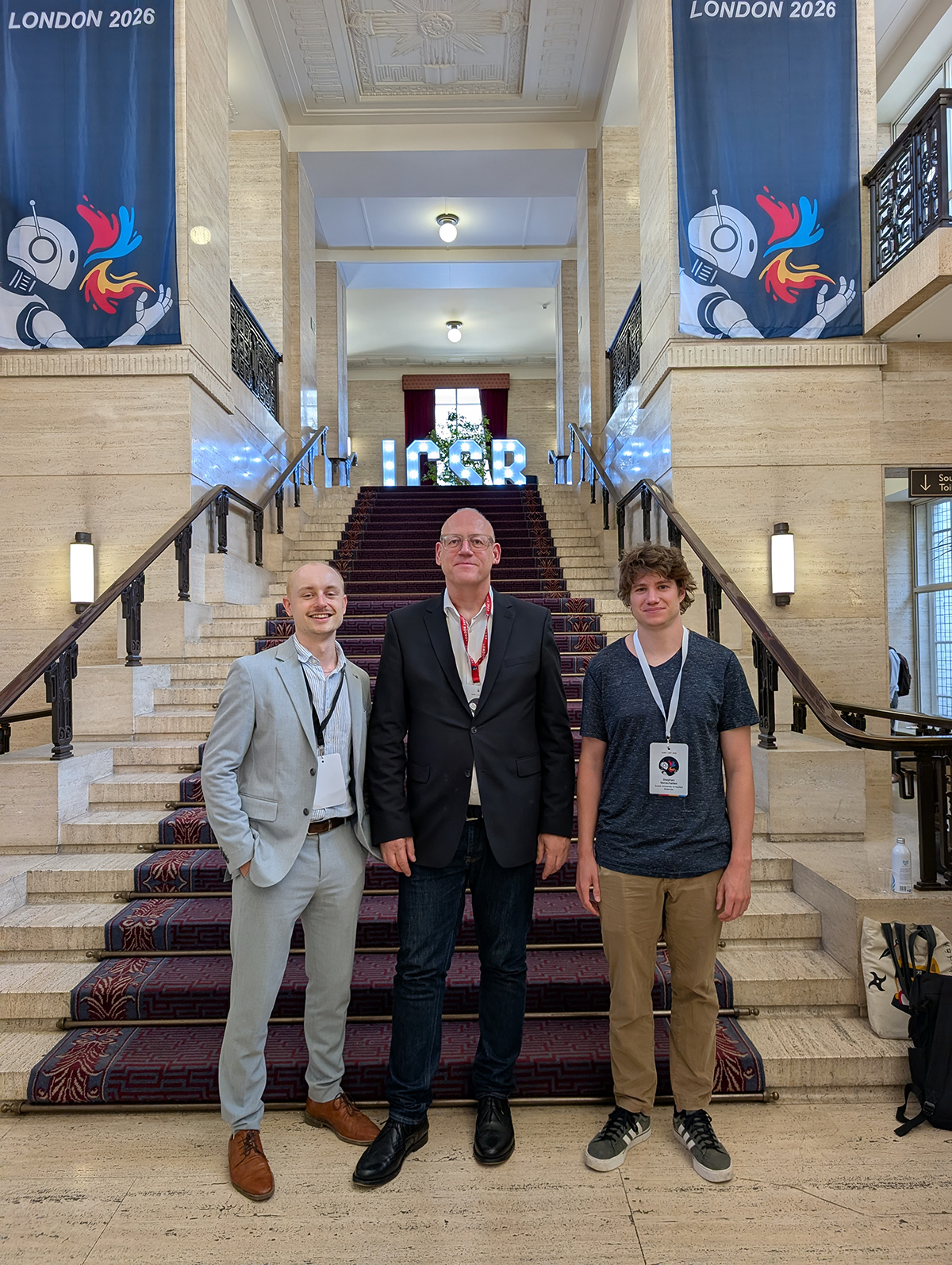
In his paper „Love Dolls and Sex Robots in Unproven and Unexplored Fields of Application“, published in Paladyn, Journal of Behavioral Robotics, Oliver Bendel of the FHNW School of Business discussed prisons as one of several potential application areas for such products. In 2024, his student Tamara Siegmann proposed exploring the use of collaborative and social robots in correctional facilities, focusing on whether they could and should be deployed in such environments. Together with Oliver Bendel, she wrote the paper „Social and Collaborative Robots in Prison“ for the International Conference on Social Robotics (ICSR) in Odense, which was published in the 2025 Springer ICSR proceedings. This work subsequently inspired Jean Paul Smit of Delft University of Technology and his co-authors to write the paper „Social Robot Supporting Visitor Mood and Staff Situation Awareness in a Security Waiting Room“, which he presented at ICSR + Art 2026 in London. The paper describes the development and evaluation of a social robot designed to improve visitors‘ emotional well-being in security waiting rooms while supporting staff through enhanced situation awareness. In 2025, Tamara Siegmann submitted a proposal to a Swiss funding organization based on the prison robotics research. As part of the initiative, inmates at a Swiss correctional facility will receive access to an offline chatbot serving as a companion. The chatbot was developed by Stephan Vonschallen with feedback from Tamara Siegmann and Oliver Bendel, and the project has now entered its main implementation phase. At ICSR + Art 2026, several researchers expressed strong interest in the prison-related projects, suggesting that this promising area of research is likely to receive growing attention in the years ahead.
Fig.: Jean Paul Smit, Stephan Vonschallen, and Oliver Bendel at ICSR 2026
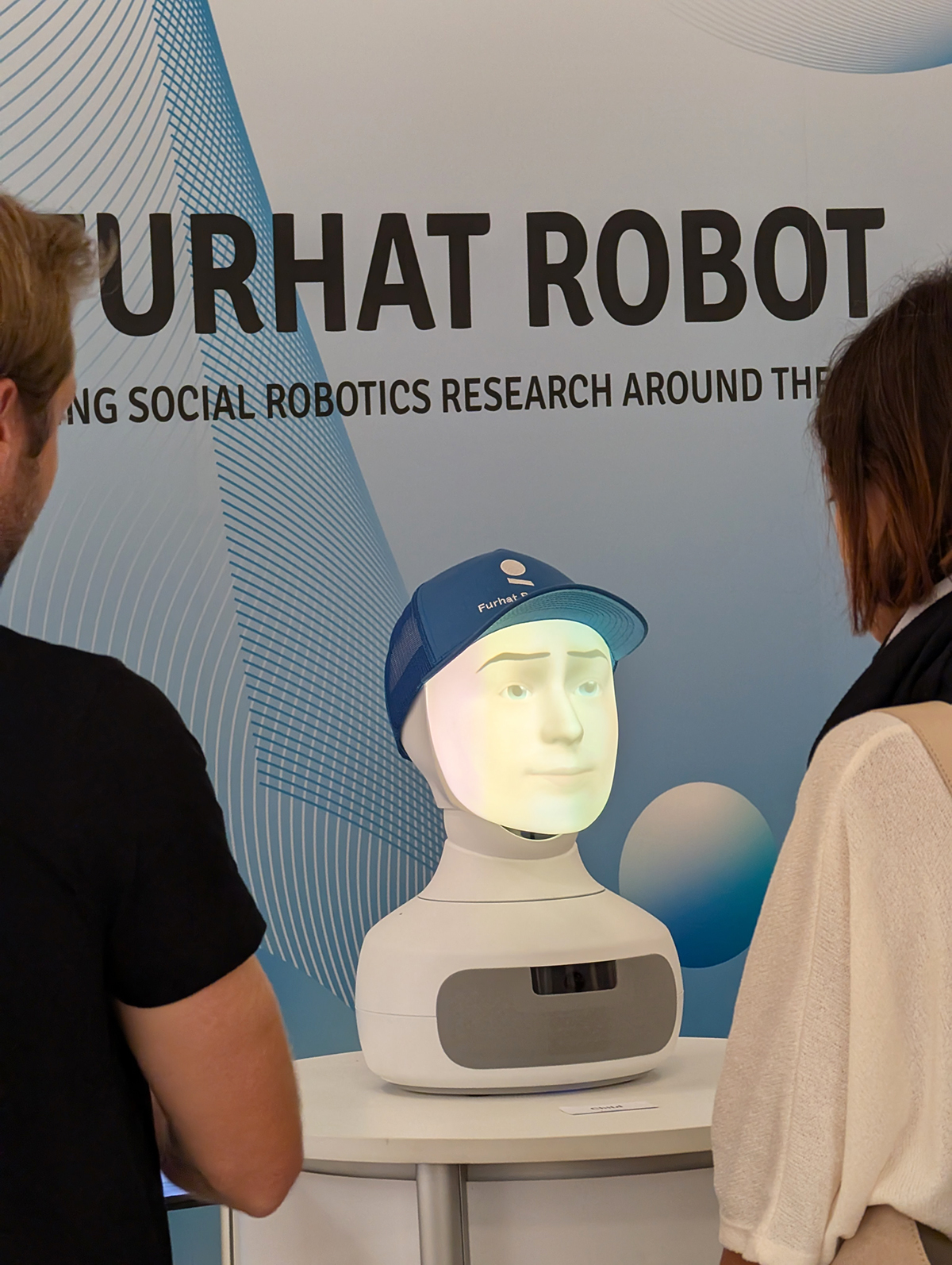
The 18th International Conference on Social Robotics (ICSR + Art 2026) took place in London from July 1–4, bringing together researchers, academics, and industry professionals from around the world to explore the latest advances in social robotics. As in previous years, the conference featured an extensive and impressive exhibition showcasing a wide range of social robots and related technologies. In addition to the official exhibits, some attendees and guests brought their own robots to demonstrate and discuss with other participants. Among the robots on display were Furhat, Euclid, Ameca, LOVOT, Qoobo, and Mirumi, illustrating the remarkable diversity of current approaches to social robotics. One particularly noteworthy platform was Furhat, a robotic head whose facial features – including the eyes, mouth, and facial expressions – are projected onto interchangeable face masks from within. These masks are available in a variety of designs, representing adults, children, and even animals. This projection-based approach enables highly convincing facial expressions without relying on complex motorized mechanisms or conventional displays. The robotic head is connected to a large language model, allowing it to engage in sophisticated conversations while demonstrating extensive knowledge across a wide range of topics. Furhat can also be customized with accessories such as wigs and hats, providing a simple yet effective form of robot enhancement that further expands its expressive capabilities. Further information is available at icsr2026.uk.
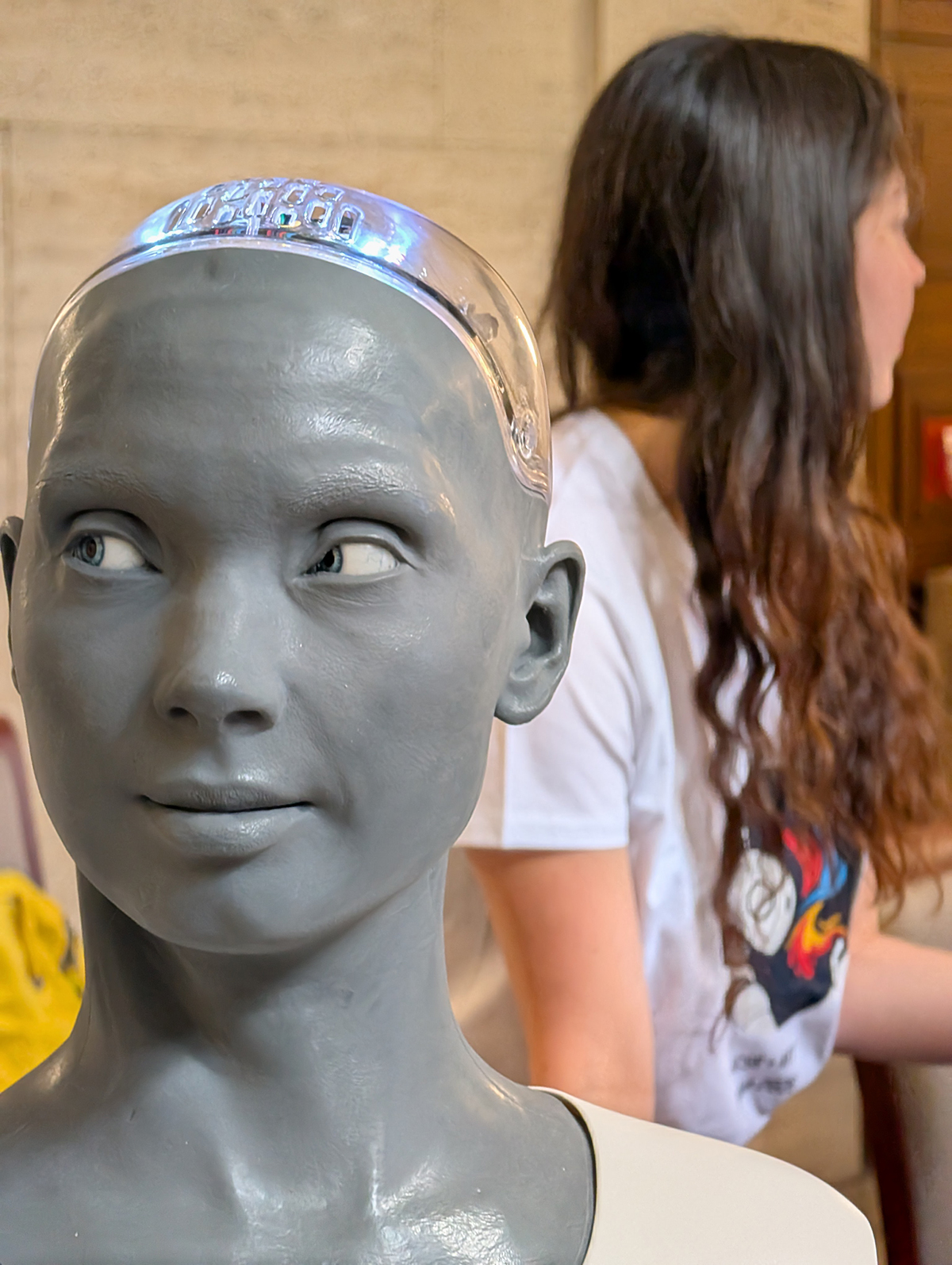
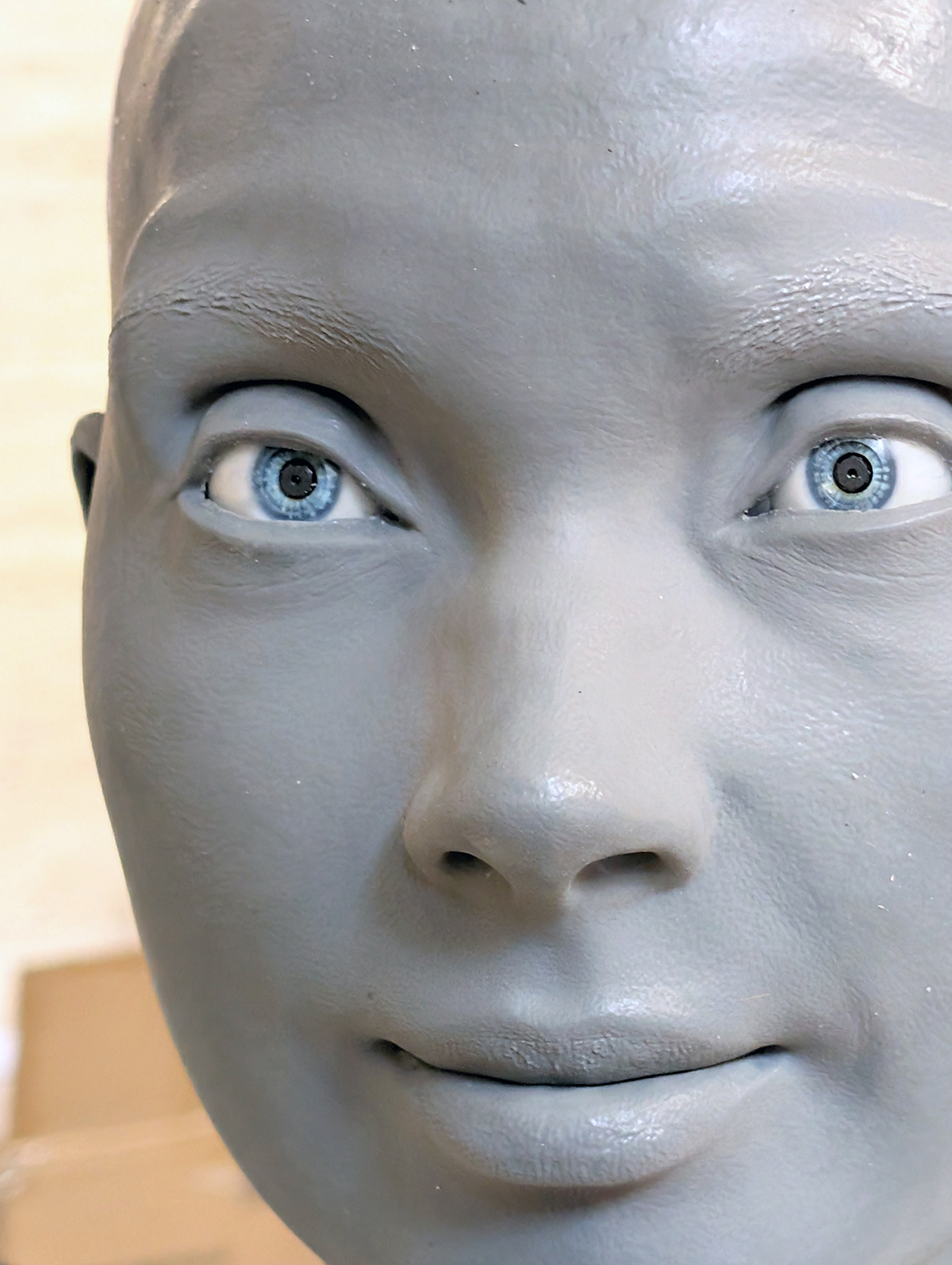
The 18th International Conference on Social Robotics (ICSR + Art 2026) took place in London from July 1–4, bringing together researchers, academics, and industry professionals from around the world to explore the latest advances in social robotics. Among the many impressive humanoid robots on display, both Euclid and Ameca attracted considerable attention, each representing a very different approach to humanoid robotics. While Euclid demonstrated what can be achieved through an innovative low-budget development approach, Ameca showcased the capabilities of a highly sophisticated commercial platform. Developed by the British company Engineered Arts, Ameca is an advanced humanoid robot designed primarily for research into human–robot interaction. Equipped with an artificial intelligence system and 27 facial and motion actuators, it is capable of remarkably lifelike facial expressions and gestures. Ameca comes pre-programmed with more than 50 realistic facial expressions, allowing it to convey a broad spectrum of natural human emotions. Through Engineered Arts‘ web-based Tritium platform, every degree of freedom of its eyes, mouth, eyebrows, and cheeks can be individually customized and fine-tuned, enabling an extraordinary level of expressive precision. Although intended primarily as a stationary platform, Ameca was undoubtedly one of the highlights of ICSR 2026, drawing crowds throughout the conference in the entrance hall of Senate House. Visitors eagerly lined up to take photographs, capturing moments in which the robot appeared face-to-face with people or turned toward them with what seemed like genuine curiosity and openness. Occasionally, Ameca developed a slight cross-eyed gaze, an endearing imperfection that made it seem even more approachable. Its neutral skin tone and deliberately androgynous appearance resist conventional categories of identity, yet with relatively simple enhancements such as a wig or makeup, it could easily be transformed to present a distinctly male or female appearance. Further information is available at icsr2026.uk.
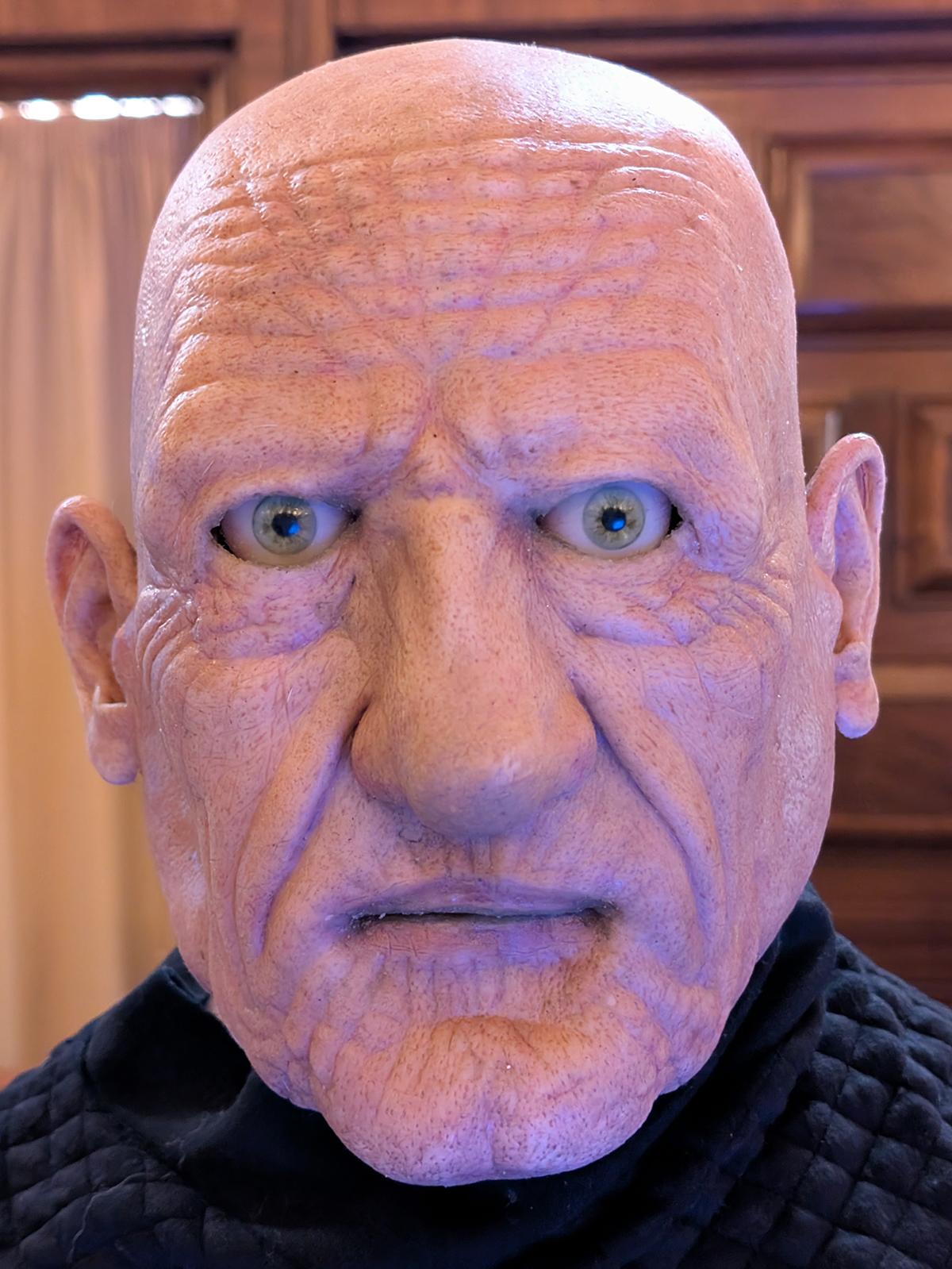
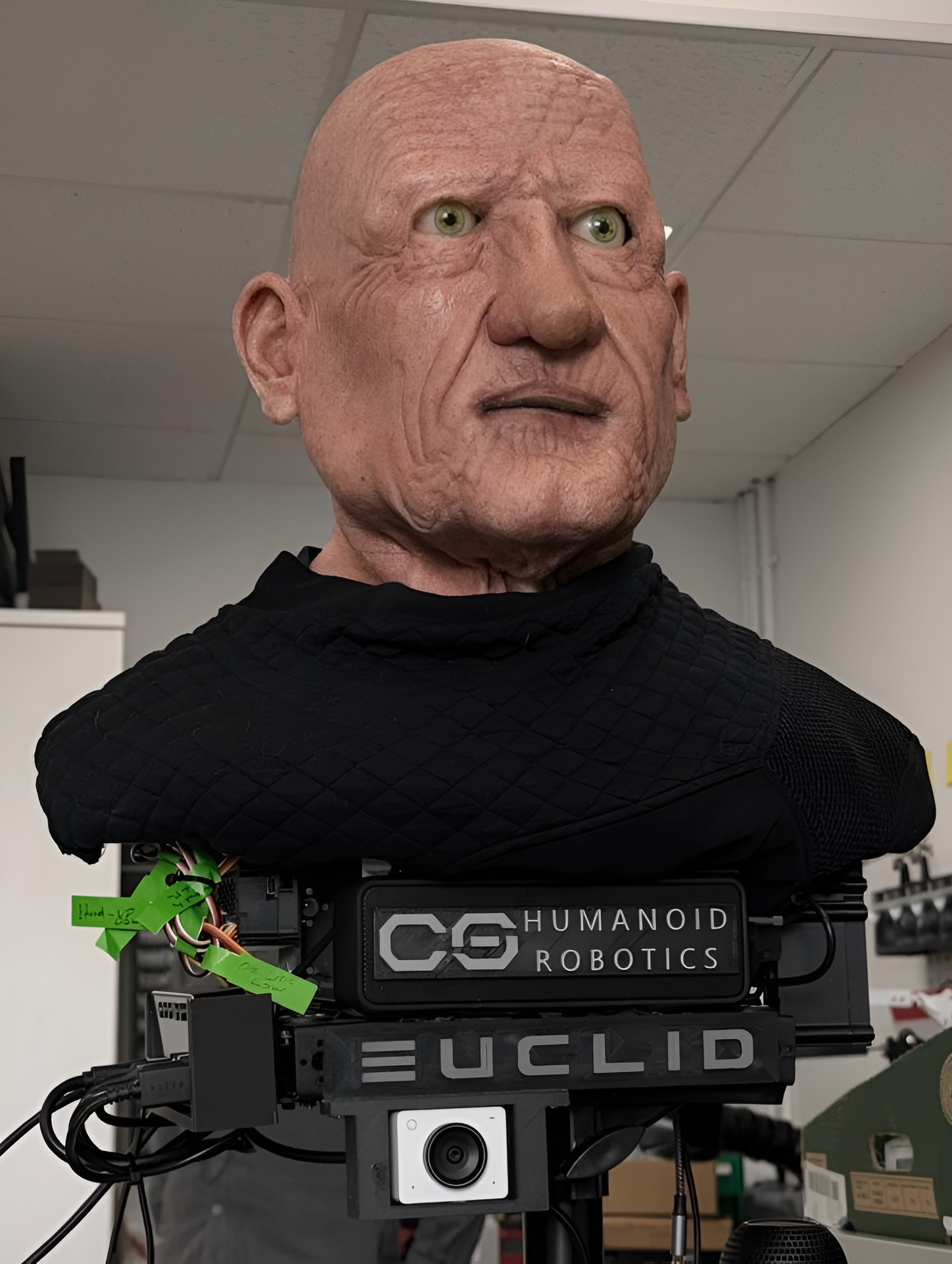
The 18th International Conference on Social Robotics (ICSR + Art 2026) is currently taking place in London from July 1–4, bringing together researchers, academics, and industry professionals from around the world to discuss the latest advances in social robotics. One of the conference formats is a series of debates held in the Debate Hall of Senate House. On the second day, attendees had the opportunity to engage with Euclid, an android developed by Carl Strathearn and Emilia Sobolewska, as part of the session „Innovation Through Creation: The Case for Building Our Own Social Robots for HRI Research“. Euclid is a fully autonomous social robot equipped with automatic speech recognition, computer vision, generative AI, skin sensors, and a robotic mouth that uses machine learning to generate realistic visemes. Designed for social and assistive interactions with older adults, the android demonstrated how advances in artificial intelligence and robotics are enabling increasingly natural human-robot communication while providing a compelling platform for human-robot interaction research. Further information is available at icsr2026.uk and www.carlstrathearn.co.uk.
Fig.: Oliver Bendel and Euclid at ICSR + Art 2026 (Photo: Nihan Karataş)
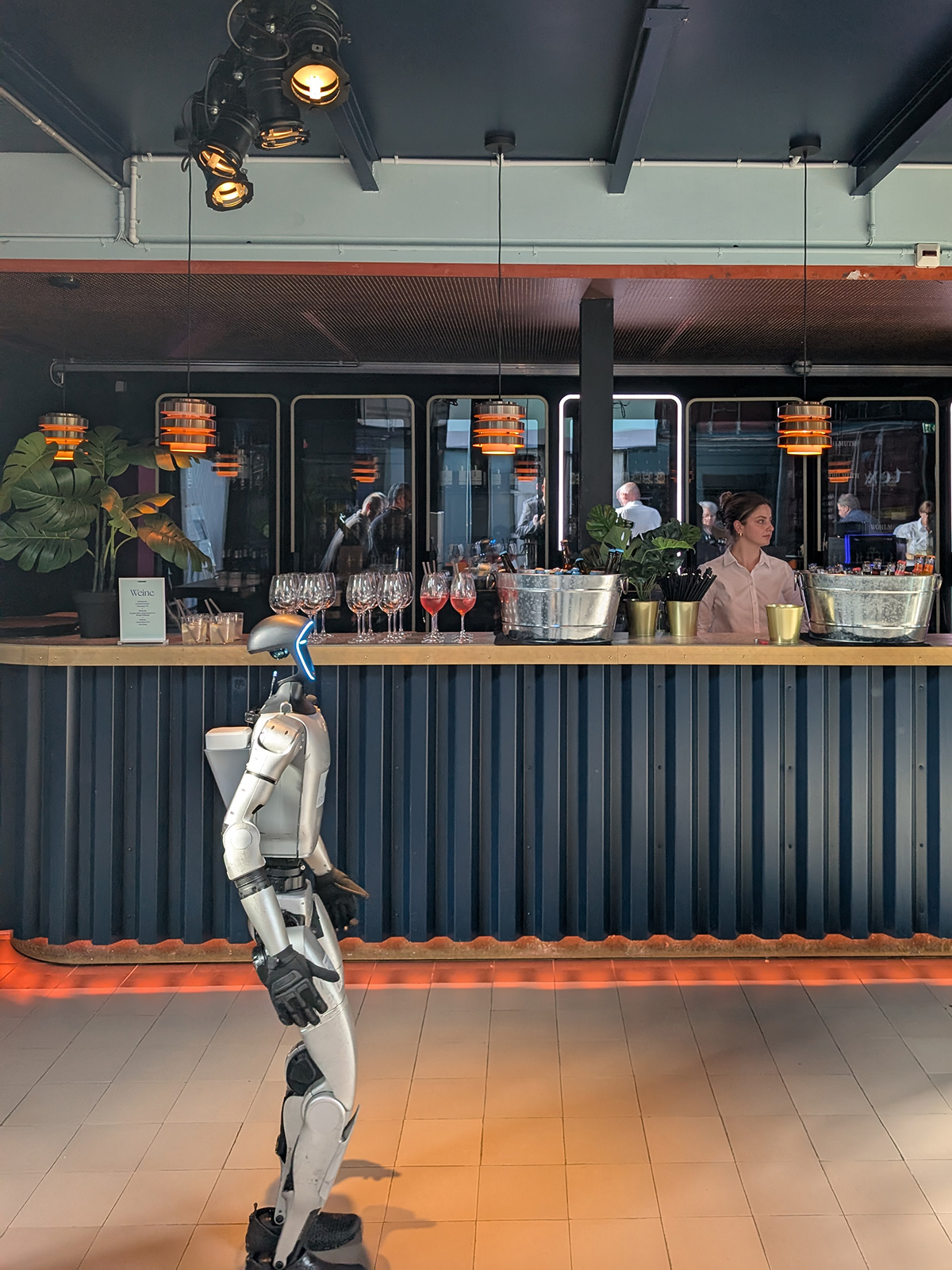
On July 1, 2026, the 18th International Conference on Social Robotics (ICSR + Art 2026) officially opened in London. Participants were welcomed by the General Chairs, Hooman Samani and Saina Akhond of the University of the Arts London, as well as by several robots, including the humanoid robot Ameca and the companion robot Lovot. Following registration and breakfast, the conference immediately moved into its scientific program with several parallel sessions. The Main Track Papers were presented in Conference Hall 1 (Beveridge Hall), while Special Sessions took place in Conference Hall 2 (Chancellor’s Hall). At the same time, authors of Short Papers introduced their work during the Teaser Talks in the Debate Hall (Senate Room). Held from July 1–4, 2026, ICSR is the leading international forum for researchers, academics, and industry professionals working in the field of social robotics. This year’s edition places a special emphasis on the intersection of social robotics and the arts, highlighting artistic and creative applications of robotic technologies. In addition to the technical program, the conference features the Robot Fringe Festival, the Grand Challenge, artistic performances, industry events, and numerous opportunities for networking and collaboration with leading researchers and practitioners from around the world. Further information is available at icsr2026.uk.
The 18th International Conference on Social Robotics (ICSR + Art 2026) will take place from 1–4 July 2026. ICSR is the leading international forum that brings together researchers, academics, and industry professionals from across disciplines to advance the field of social robotics. This year’s conference combines cutting-edge research in social robotics with a unique focus on artistic and creative applications of robotics. The programme features keynote lectures, paper presentations, workshops, special sessions, debates, exhibitions, competitions, and networking opportunities, reflecting both the scientific and cultural dimensions of the field. Hosted at the historic Senate House of the University of London, ICSR + Art 2026 brings together experts from academia, industry, healthcare, design, the arts, and related disciplines. The conference theme highlights how robots can move beyond traditional functional roles to become creative partners and collaborators. At the same time, the event remains open to the full spectrum of social robotics research, including human-robot interaction, artificial intelligence, ethics, education, assistive robotics, and design. On the eve of the conference, anticipation is building for one of the festival’s artistic highlights. The dancer Silke Grabinger is preparing for her performance at 18:00 on 1 July, where she will share the stage with a robot that carries a deeply personal connection to her own past. Participants can look forward to a diverse programme that includes the Robot Fringe Festival, the Grand Challenge, artistic performances, industry events, and opportunities to engage with leading researchers and practitioners from around the world. Further information is available at icsr2026.uk.
Fig.: Silke Grabinger is preparing for her performance
From August 11 to 14, 2026, the Robophilosophy Conference 2026 will take place at University College Dublin in Dublin, Ireland, under the theme „Connected Futures – Nature, Robots, and Society“. The conference will bring together researchers from philosophy, robotics, artificial intelligence, ethics, law, and the environmental and social sciences to discuss the evolving relationship between intelligent technologies, the natural world, and society. One of the conference highlights is Session 2, „Environmental Robotics and Society“, scheduled on the first day from 2:10 p.m. to 4:25 p.m. The session will open with Janko Munjić’s presentation, „Posthuman Victims in the Anthropocene: Environmental Social Robots, Layered Harm, and the Edges of Criminal Law“, which examines legal and ethical questions surrounding environmental social robots. Oliver Bendel will then present „Towards a Discipline of Animal-Machine Interaction: Ethical and Design Challenges of Machines in Animal Habitats“, exploring the emerging field of interactions between machines and animals. Catherine F. Botha’s talk, „Ecobots and Ecological Capabilities: Ethical Reflections on Robots as Functional Ecological Agents“, will consider the ethical implications of robots acting as ecological agents. The session will conclude with „Aerial Robotics in Society: Energy, Ethics, and Accountability for Sustainable Monitoring“, presented by Ghulam E. Mustafa Abro and Johanna Seibt, addressing the societal, ethical, and sustainability aspects of aerial robotic systems. For more information about the conference and the full program, please visit www.rp2026.org/.
Fig.: Oliver Bendel with a teddy bear from the HUGGIE Project (Photo: Jork Weismann)
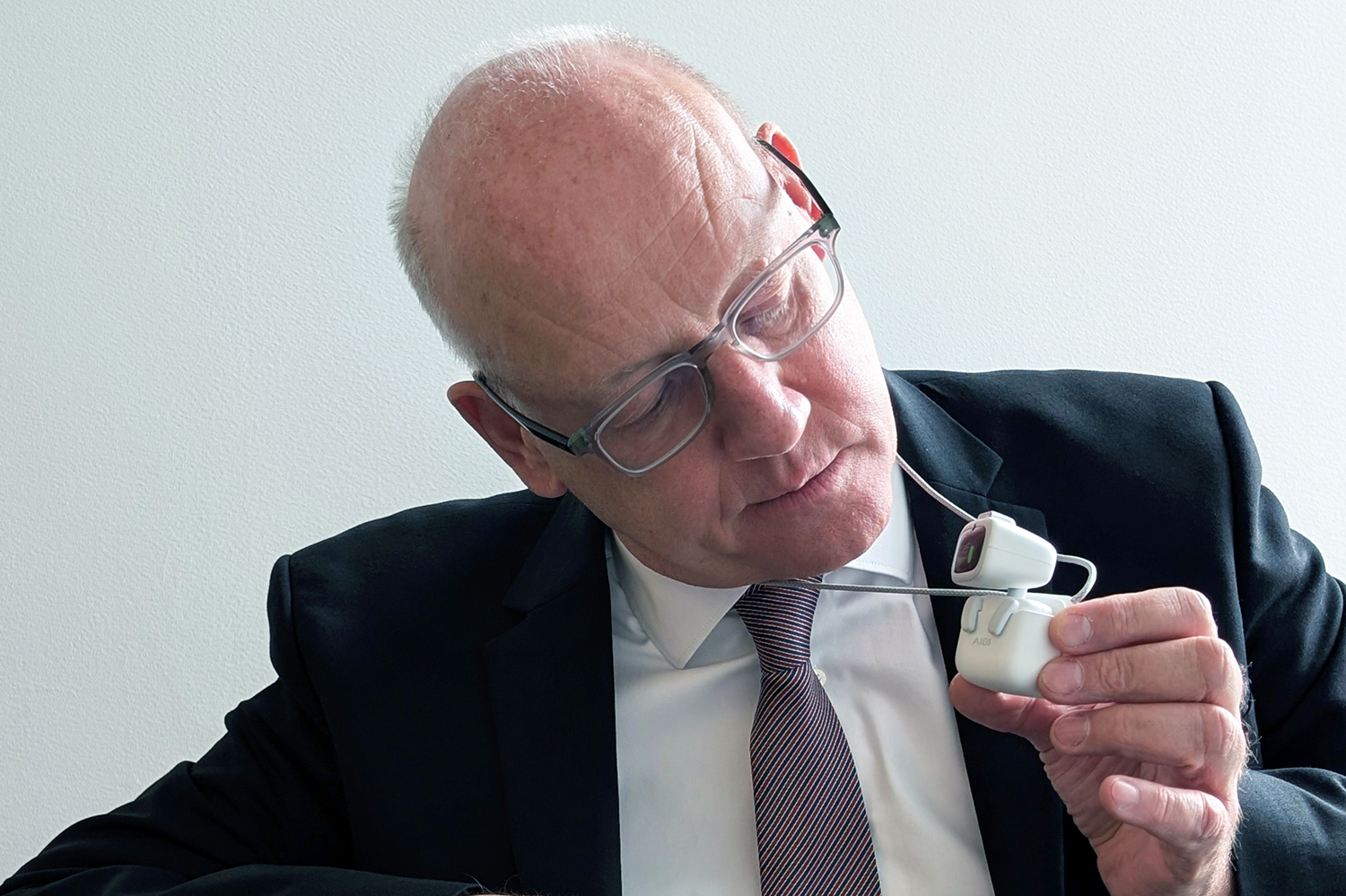
„Wearable Social Robots sind sehr kleine und sehr leichte soziale Roboter, die um den Hals, auf dem Kopf, am Körper oder an der Kleidung bzw. an oder in einer Tasche getragen werden können. Sie sind oftmals mit entsprechenden Befestigungselementen ausgestattet, etwa Halsketten, Seilschlaufen und Metallplatten.“ Mit diesen Worten beginnt ein Beitrag von Oliver Bendel, der am 24. Juni 2026 im Gabler Wirtschaftslexikon erschienen ist. Auf weitere einführende Aussagen folgen die Abschnitte „Hintergrund und Beispiele“, „Einsatzmöglichkeiten“ und „Kritik und Ausblick“. Zu den Einsatzmöglichkeiten wird gesagt: „Wearable Social Robots dienen als Spielzeug und Lernwerkzeug oder als Companion Robot bzw. Pet Robot, wobei Kinder, Jugendliche oder Erwachsene angesprochen werden. Man kann sich von ihnen bespaßen lassen und von oder mit ihnen lernen. Sie mögen verlässliche Bezugspunkte darstellen und Stress und Einsamkeit reduzieren.“ Davor heißt es: „Beispiele für Wearable Social Robots mit festem Gehäuse sind AIBI (LivingAI) und Eiliko (Energize Lab). Ein Fell haben Moflin (Casio), Cupboo AI Robotic Pet (Genmoor Group) und Mirumi (Yukai Engineering).“ Es deutet alles darauf hin, dass in den nächsten Monaten und Jahren noch zahlreiche weitere Wearable Social Robots auf den Markt kommen. Der vollständige Beitrag kann über wirtschaftslexikon.gabler.de/definition/wearable-social-robots-177953 aufgerufen werden.
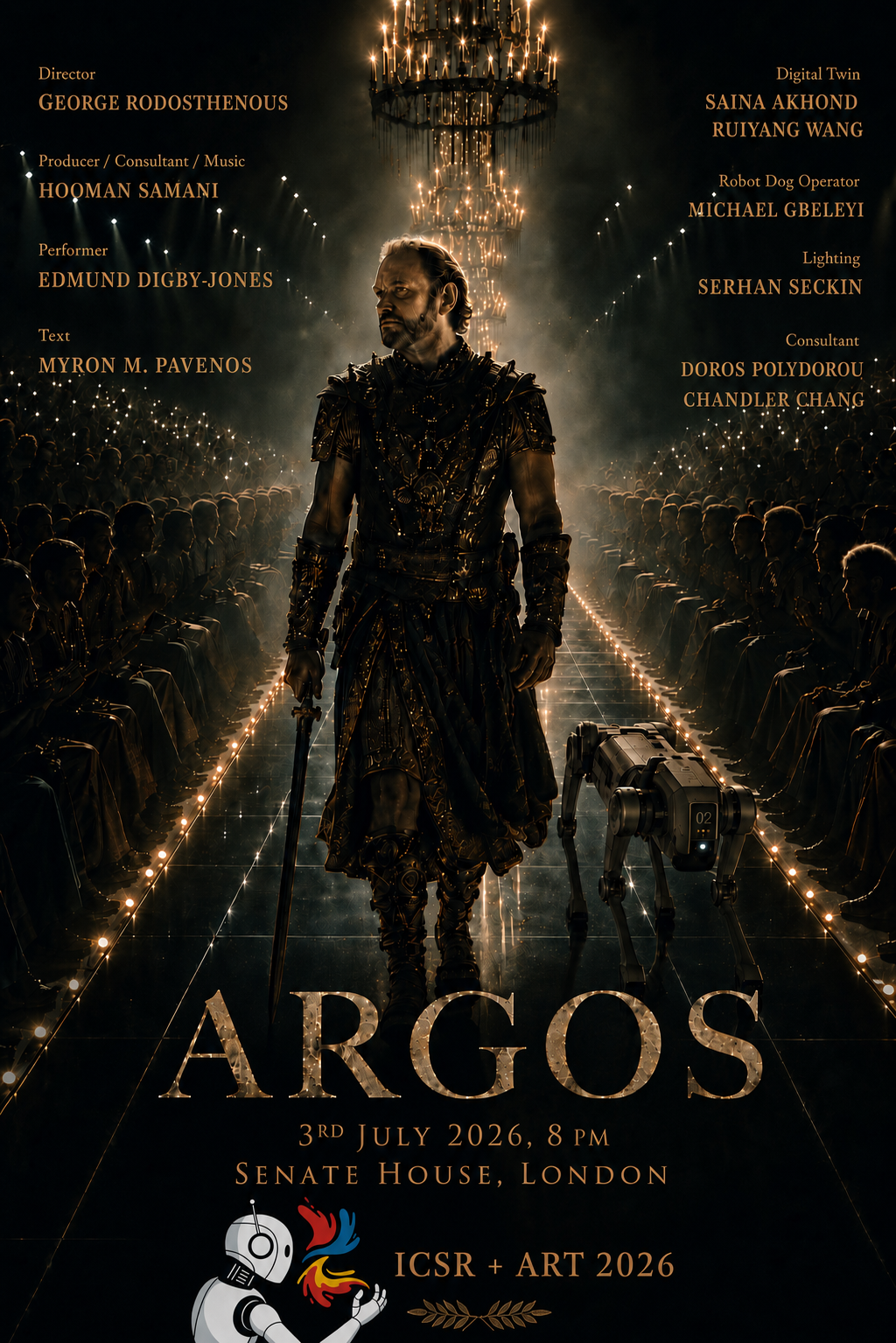
The 18th International Conference on Social Robotics (ICSR + Art 2026) will take place in London, UK, from 1–4 July 2026. ICSR is the leading international forum that brings together researchers, academics, and industry professionals from across disciplines to advance the field of social robotics. This year’s conference combines cutting-edge research in social robotics with a unique focus on artistic and creative applications of robotics. One of the highlights of the conference will be ARGOS, a performance staged on 3 July 2026 at Senate House in London. Rooted in Homer’s „Odyssey“, ARGOS reimagines the return of Odysseus after twenty years of war, recognized only by his faithful dog, here embodied by a real robot dog. The performance explores trust, intimacy, error, vulnerability, and the ethics of human-robot relationships. Developed as part of the Creative Robotics Theatre research initiative, ARGOS is a collaboration between the University of the Arts London, the University of Leeds, the Cyprus University of Technology, and CYENS. Directed by George Rodosthenous and produced by Hooman Samani, the project demonstrates how robotics and theatre can come together to inspire new reflections on technology and human connection. Further information is available at hoomansamani.com/creative-robotics/creative-robotic-theatre/argos/.
The 18th International Conference on Social Robotics (ICSR + Art 2026) will take place in London, UK, from 1–4 July 2026. ICSR is the leading international forum that brings together researchers, academics, and industry professionals from across disciplines to advance the field of social robotics. This year’s conference combines cutting-edge research in social robotics with a unique focus on artistic and creative applications of robotics. One of the highlights of the conference will be the debate programme on 2 July 2026, which promises a day of lively discussions on some of the most important questions shaping social robotics, society, and the arts. The debates will explore themes ranging from education and healthcare to fashion, human-robot interaction research, and the future of the human body, bringing together researchers, practitioners, artists, and technologists from diverse backgrounds. Combining critical reflection with creative provocation, the programme encourages participants to rethink what social robots can be, what roles they might play, and how they may transform our societies in the future. And who says debates are only for humans? The programme even includes a social robot that will have the opportunity to answer back. Those interested in the full range of debate topics and participants can find further information at icsr2026.uk/debates/.
Fig.: Euclid will be there for the debate (Photo: ICSR)
The 18th International Conference on Social Robotics (ICSR + Art 2026) will take place in London, UK, from 1–4 July 2026. ICSR is the leading international forum that brings together researchers, academics, and industry professionals from across disciplines to advance the field of social robotics. The preliminary programme, now available, offers four days of scientific exchange, artistic exploration, and community building, featuring keynote lectures, paper presentations, special sessions, workshops, debates, a Grand Challenge, exhibitions, and a variety of networking opportunities. Reflecting the conference theme ICSR + Art, the programme highlights the growing intersections between social robotics and creative practice through events such as the Robot Fringe Festival, the Rising Stars in Social Robotics event, the premiere performance of Quantwin by Silke Grabinger, the 1001 Nights with Robots Show, Argos, and the Robot Fashion Show, while also covering the full breadth of contemporary social robotics research. Participants will have opportunities to engage with leading experts from academia, industry, healthcare, design, the arts, and other fields. Full details of the programme are available at icsr2026.uk/programme/.
The 18th International Conference on Social Robotics (ICSR + Art 2026) will take place in London, UK, from 1-4 July 2026. ICSR is the leading international forum that brings together researchers, academics, and industry professionals from across disciplines to advance the field of social robotics. Hosted at the University of London, this year’s conference is seeking enthusiastic volunteers to help deliver a dynamic international event at the intersection of robotics, society, and the arts. Volunteering offers a valuable opportunity to gain hands-on experience in organizing a major academic conference, connect with global experts, artists, and innovators, attend selected sessions showcasing cutting-edge developments in social robotics, and build essential organizational, communication, and teamwork skills. Ideal for undergraduate and postgraduate students as well as motivated individuals interested in social robotics or related fields, volunteer responsibilities include supporting registration, assisting with session coordination, guiding attendees, helping with technical presentations and demonstrations, and contributing to general event logistics. In return, volunteers will receive free conference access, a certificate of participation, and exceptional networking opportunities with leading professionals in the field. Applications are open now, with priority given to reliable candidates available throughout the full conference period and comfortable working in an international environment. The deadline to apply is 31 May 2026, with successful applicants notified in early June, and early applications are strongly encouraged. The application form and additional information can be found at: icsr2026.uk/volunteer/.
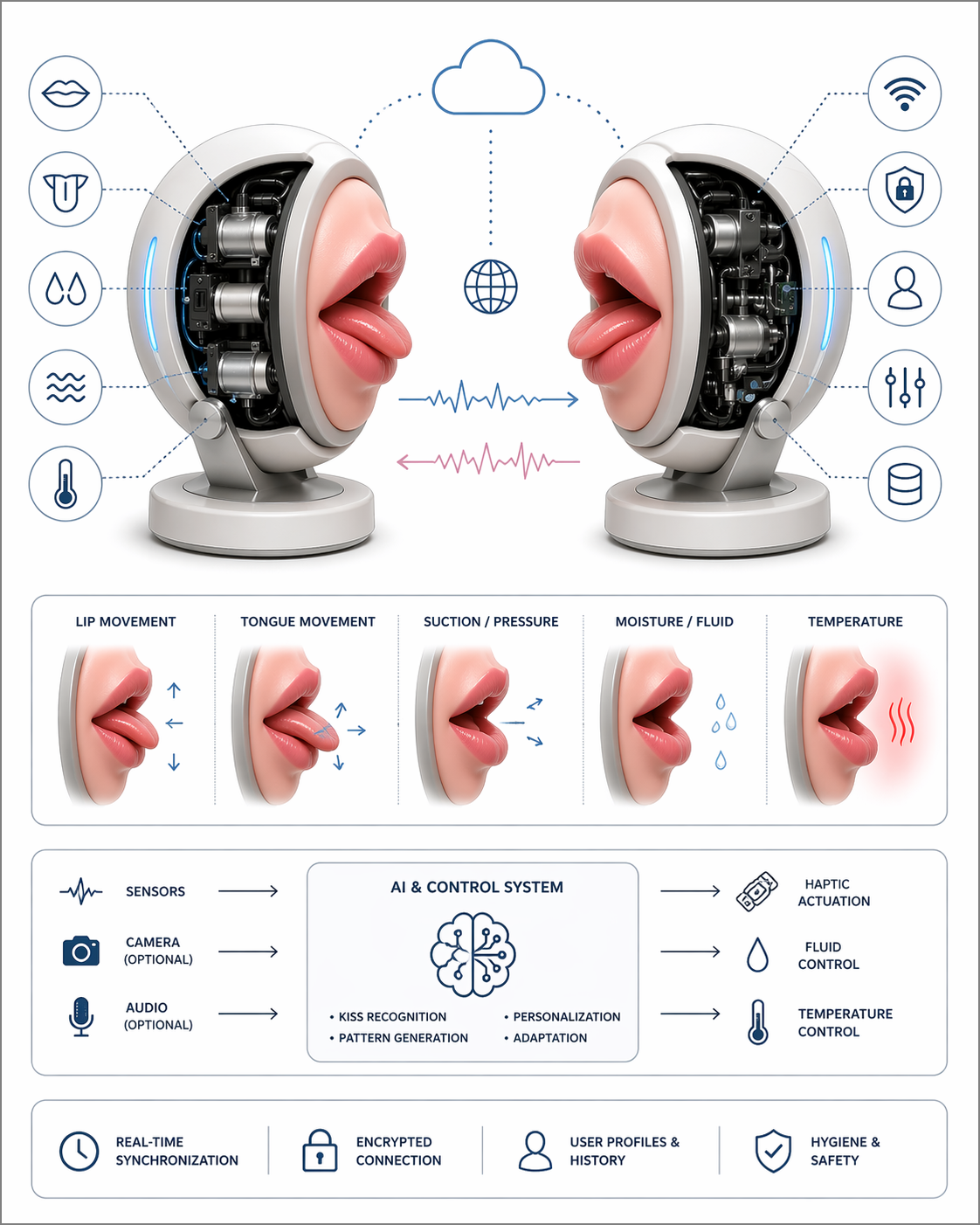
The paper „Kiss Me More: Artificial Lips for Intimate Encounters“ by Oliver Bendel has been accepted at ICSR + Art 2026. Kisses have different functions and meanings depending on culture, context, and partner; they can serve as a greeting, express gratitude, or be part of sexual interaction. When partners are separated but still wish to show affection, teledevices can offer a solution. Since 2011, several prototypes and products for remote kissing have been developed, including the Kissenger, a prototype created by Hooman Samani, to which the present work also pays tribute. Although these systems are already conceptually and technically advanced, there is still room for further development, especially with regard to intimacy and sexuality. The paper therefore formulates specific requirements and outlines possible implementations, resulting in the concept of the KissMachine, which is critically discussed with respect to its technical challenges and ethical implications. The 18th International Conference on Social Robotics will take place in London, UK, from 1–4 July 2026. ICSR is the leading international forum that brings together researchers, academics, and industry professionals from across disciplines to advance the field of social robotics.
Fig.: An illustration of the KissMachine (not part of the paper) (Image: GPT Image 2)