The 18th International Conference on Social Robotics (ICSR + Art 2026) will take place in London, UK, from 1–4 July 2026. ICSR is the leading international forum that brings together researchers, academics, and industry professionals from across disciplines to advance the field of social robotics. The finalists of the ICSR 2026 Grand Challenge have now been announced, showcasing an exciting and diverse range of innovative projects from researchers, artists, and interdisciplinary teams across the globe. This year’s finalists represent institutions from Europe, Asia, North America, and Australia, reflecting the international and creative spirit of the competition. The selected teams will present their work during the first day of the conference on 1 July 2026, with the results and awards to be announced on 3 July 2026. Finalists will also have the optional opportunity to demonstrate their projects during the conference. To support participation in the competition, ICSR offers a special reduced registration rate through the Grand Challenge Competition Finalists Pass, which grants access to the full conference; at least one registration per team is required, and each attendee must hold an individual registration. Further details regarding presentations and demonstrations will be communicated directly to finalists via email. For questions related to the ICSR Grand Challenge, participants may contact Prof. Laura Fiorini at laura.fiorini@unifi.it. A full list of finalists and additional information can be found at: icsr2026.uk/competition-finalists/.
The 18th International Conference on Social Robotics (ICSR + Art 2026) will take place in London, UK, from 1–4 July 2026. ICSR is the leading international forum that brings together researchers, academics, and industry professionals from across disciplines to advance the field of social robotics. As part of the conference programme, ICSR Industry Day will offer a dynamic platform connecting research and industry through a panel debate, a UKRI-led workshop, and a pitch session showcasing emerging robotics start-ups. A key highlight will be the panel discussion „There’s No Place Like Home: Exploring the Next Frontier for Social Robots“, taking place on Friday, 3 July from 2.30-4.00 pm. Bringing together leading voices from industry, the session will examine the growing interest in domestic environments as the next major market for social robotics. While companies increasingly envision robots supporting household tasks, personalised assistance, ageing-in-place, and companionship, the home presents unique challenges as a deeply personal and unpredictable setting where trust, privacy, and reliability are essential. Drawing on firsthand experience in deploying consumer robots, the panellists will discuss both the opportunities and the obstacles of integrating robots into everyday domestic life, addressing issues such as surveillance, dependency, social acceptance, and design limitations. The panel will feature Ira Renfrew, Co-Founder and Chief People Product Officer at Familiar Machines & Magic; Shunsuke Aoki, Founder of Yukai Engineering; Craig Allen, former Chief Creative Officer at Embodied (now Moxie Robots); and Samuel Ader, VP Growth & Supply at Cera (Genie Connect). The discussion will be moderated by Elizabeth Jochum. Together, the speakers will explore how thoughtful, human-centred innovation can help social robots earn a meaningful place in people’s homes and daily lives. Further information and registration details for the Industry Day panel are available at: icsr2026.uk/industry-day/.
The 18th International Conference on Social Robotics (ICSR + Art 2026) will take place in London, UK, from 1–4 July 2026. ICSR is the leading international forum that brings together researchers, academics, and industry professionals from across disciplines to advance the field of social robotics. This year’s conference will feature three distinguished keynote speakers whose work is shaping the future of artificial intelligence, robotics, and human-robot interaction. Hatice Gunes, Professor of Affective Intelligence and Robotics at the University of Cambridge, is internationally recognised for her pioneering research on affective computing, multimodal intelligence, and socially aware AI systems, with a strong emphasis on ethics, fairness, and wellbeing in robotics. Jean Oh, Associate Research Professor at Carnegie Mellon University and Director of the roBot Intelligence Group, is known for her work on collaborative robots, social navigation, and creative physical AI, focusing on developing robots that learn, adapt, and work safely alongside humans in shared environments. Nicolas Heess, Research Scientist and Director at Google DeepMind, leads cutting-edge research on general-purpose robotics and embodied AI, exploring how advances in machine learning, perception, and motor control can bring intelligent robots into the physical world. Together, these keynote speakers represent the forefront of research and innovation driving the next generation of social robotics. Further information on the keynote programme is available at: icsr2026.uk/keynote/.
For the first time, students in the elective module „Social Robots“, held from March 30 to April 1, 2026 at the FHNW School of Business, were introduced by Prof. Dr. Oliver Bendel to the idea that robot design is not limited to object-like, humanoid, and animal-like (zoomorphic) forms, but also includes mythomorphic design. Mythomorphic design refers to the creation of robots, especially social robots, inspired by figures from myth, fantasy, and science fiction rather than by real humans or animals. Such designs typically combine recognizable anthropomorphic features with deliberate deviations that signal otherness, for example through unusual morphology, narrative embedding, or symbolic attributes. Examples include the Mirokaï models such as Miroka and Miroki, as well as classics like Furby. Several publications by Oliver Bendel on this topic are forthcoming and will be published in 2026 and 2027.
Vor der Mittagspause des 31. März 2026 hielt Luca Marie Leisten im Wahlmodul „Soziale Roboter“ an der Hochschule für Wirtschaft FHNW in Olten den Gastvortrag. Sie ist Doktorandin im Bereich Lernwissenschaften und Mensch-Roboter-Interaktion an der ETH Zürich und der EPFL. Mit ihrem Hintergrund in Psychologie und Sozialwissenschaften konzentriert sich ihre Forschung auf soziale Roboter im Bildungsbereich. Konkret interessiert sich Luca für die Hindernisse und Chancen beim Einsatz sozialer Roboter sowie für die Wahrnehmung verschiedener Roboter. In diesem Zusammenhang untersucht Luca die langfristigen Auswirkungen erschwinglicher DIY-Robotik-Bausätze unter Verwendung von quantitativen und qualitativen Methoden, um die KI-Fähigkeiten von Kindern zu stärken. Die Studierenden und der Dozent, Prof. Dr. Oliver Bendel, hatten danach viele Fragen zu ihrer Arbeit und ihrer Karriere. Sie erhielt zweimal tosenden Applaus. Das Wahlmodul wird seit 2021 durchgeführt, inzwischen dreimal im Jahr. Zum ersten Mal wird es für Studierende des Studiengangs Business AI angeboten.
The elective module „Soziale Roboter“ by Prof. Dr. Oliver Bendel will be held again from March 30 to April 1, 2026, at FHNW in Olten. It is primarily aimed at prospective business AI students, but students of information systems can also take part. Luca Marie Leisten has been invited as a guest speaker. She is a third-year doctoral student in learning sciences and human-robot interaction at ETHZ and EPFL. With a background in psychology and social sciences, Luca’s research focuses on social robot companions in the learning domain. Specifically, she is interested in investigating the barriers and opportunities of social robot deployment as well as the perception of different robots. In this context, Luca is testing the long-term effects of affordable DIY robotic toolkits using a mix of quantitative and qualitative methods. Unitree Go2, Alpha Mini, Cozmo, Vector, AIBI, Eilik, Furby, Booboo, and Hugvie from Oliver Bendel’s private Social Robots Lab will also be on site. Social Robotics Girl, a so-called GPT specializing in this topic, will be available as a tutor throughout the event. Key works include „Soziale Roboter“ (2021) and „300 Keywords Soziale Robotik“ (2021). At the end of the elective module, students design social robots – also with the help of generative AI – that they find useful, meaningful, or simply attractive. The elective module has been offered since 2021 and is very popular at the university.
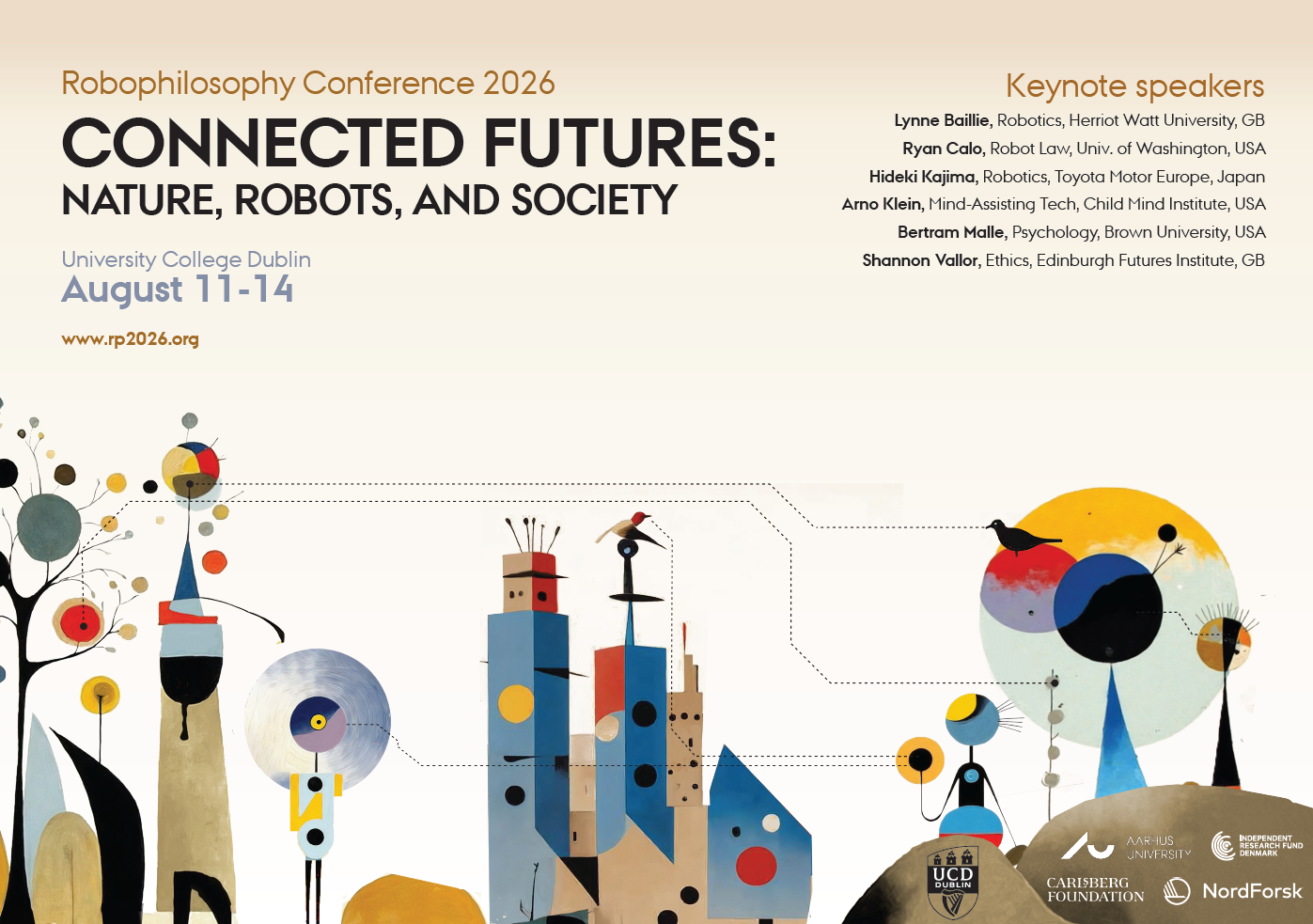
The Robophilosophy Conference 2026 (RP2026), titled „Connected Futures – Nature, Robots, and Society“, will take place August 11-14, 2026, in Dublin, Ireland, bringing together researchers from across disciplines to examine how robotics and artificial intelligence are reshaping human societies and the natural world. As robotic systems become increasingly embedded in everyday life, the conference aims to foster dialogue between fields ranging from social robotics, computer science, and human-robot interaction to the humanities, social sciences, law, economics, and environmental research. Central questions include how robotic technologies can uphold human dignity and social justice, how legal systems must adapt to autonomous decision-making, and whether robots can contribute to sustainability rather than accelerate ecological decline. The event marks the seventh installment in the Robophilosophy conference series and features plenary speakers such as Lynne Baillie, Ryan Calo, Hideki Kajima, Arno Klein, Bertram Malle, and Shannon Vallor. Importantly, the submission deadline for research papers, posters, and artistic contributions has been extended to March 15, 2026, offering additional time for scholars and practitioners to contribute to this interdisciplinary conversation. Registration will open soon, and further details are available here and at www.rp2026.org.
Fig.: The poster of the conference (Image: Robophilosophy)
The 18th International Conference on Social Robotics (ICSR + Art 2026) will take place in London, UK, from 1-4 July 2026. ICSR is the leading international forum that brings together researchers, academics, and industry professionals from across disciplines to advance the field of social robotics. For its 18th edition, the conference will present the special theme ICSR + Art, highlighting how robots can move beyond their conventional roles to become tools, partners, and co-creators within artistic and creative practices. At the same time, the conference remains open to the full breadth of social robotics research, including human-robot interaction, medical and assistive robotics, artificial intelligence and machine learning, ethics, design, education, and cultural applications. Accepted papers will be published in Springer’s Lecture Notes in Artificial Intelligence (LNAI) series and indexed in major academic databases. The conference programme will encompass regular papers, short papers, special sessions, a design and art competition, debates, the Robot Fringe live performance strand, and an Industry Day dedicated to emerging robotics and technology companies. Regular Papers for the main track must follow the submission guidelines provided on the conference website and be submitted via the Springer Meteor system by 6 March 2026. Contributions to Special Sessions should likewise follow the Regular Paper instructions and be submitted to the respective session. Short Papers must comply with the specific Short Paper guidelines and be submitted accordingly. The ICSR Design / Art Competition, proposals for debates, and submissions for the Robot Fringe live robotic performance programme are due by 15 March 2026. Early-stage robotics and technology companies wishing to showcase their work at the Industry Day may apply until 15 May 2026. Further details, submission instructions, and relevant links are available at icsr2026.uk.
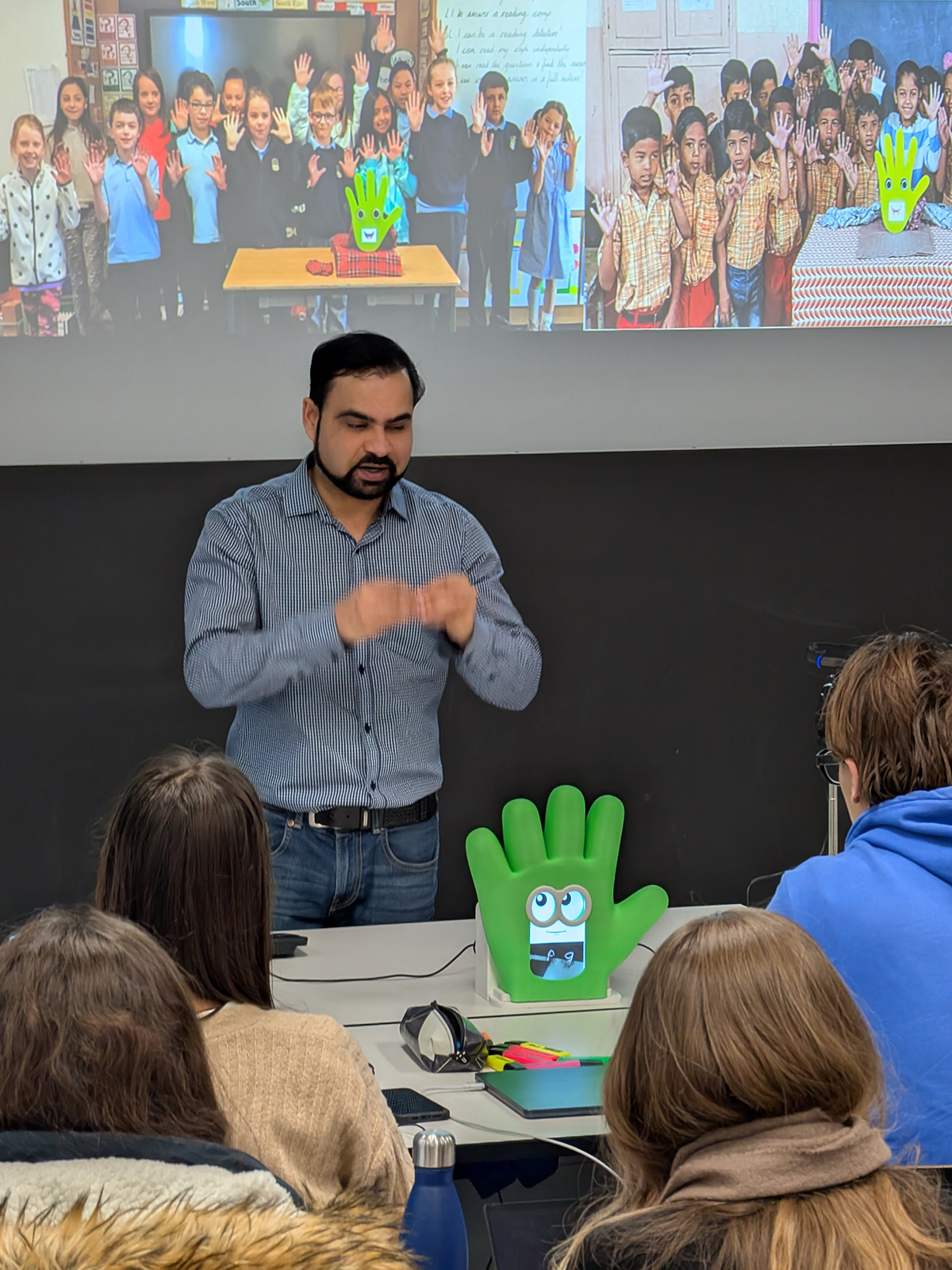
The elective module „Soziale Roboter aus technischer, wirtschaftlicher und ethischer Sicht“ („Social Robots from a Technical, Economic, and Ethical Perspective“) led by Oliver Bendel took place from February 12 to 14, 2026 at the FHNW in Brugg-Windisch. It is primarily designed for prospective business economists, although students of information systems are also welcome to participate. Dr. Amol Deshmukh joined the module once again as a guest speaker. In his presentation, „Improving Hand Hygiene in Schools with Socially Assistive Robots“, he outlined his research at the intersection of social robotics, artificial intelligence, and human behavior. Dr. Deshmukh is a Marie Curie Postdoctoral Research Fellow at ETH Zurich and is known for adapting human-robot interaction to global and resource-constrained contexts. His work has attracted international media attention for its emphasis on tangible societal impact. In his talk, he explored how social robots can encourage hand hygiene in schools, addressing both cultural and socio-economic dimensions of implementing such technologies. A range of robots from Oliver Bendel’s private Social Robots Lab were available on site, including Unitree Go2, Alpha Mini, Cozmo, Vector, AIBI, Furby, Booboo, and Hugvie. At the conclusion of the elective module, students designed their own social robots – supported in part by generative AI – focusing on concepts they considered useful, meaningful, or simply appealing. The elective modules have been offered since 2021 and continue to enjoy great popularity.
The 18th International Conference on Social Robotics (ICSR + Art 2026) will take place in London, UK, from 1–4 July 2026. ICSR is the leading international forum that brings together researchers, academics, and industry professionals from across disciplines to advance the field of social robotics. As part of the conference program, Robot Fringe 2026 offers a dedicated platform for experimental, daring, and imaginative ideas, presented on a performance stage within the supportive and inclusive environment of ICSR+ART 2026 (icsr2026.uk/robot-fringe/). Drawing inspiration from the Edinburgh Festival Fringe – the world’s largest performing arts festival and the origin of a global tradition of fringe and off-festivals celebrating unconventional and small-scale performances (www.edfringe.com) – Robot Fringe embraces creative risk-taking and non-traditional formats across artistic and technological practices. The variety show will take place on the evening of Thursday 2 July at Senate House in London and runs in conjunction with ICSR+ART 2026. The program is curated and hosted by researcher-comedians Heather Knight and Piotr Mirowski. Further information and submission details are available via the ICSR submission page (icsr2026.uk/submission/) and the Robot Fringe website (www.robotfringe.com).
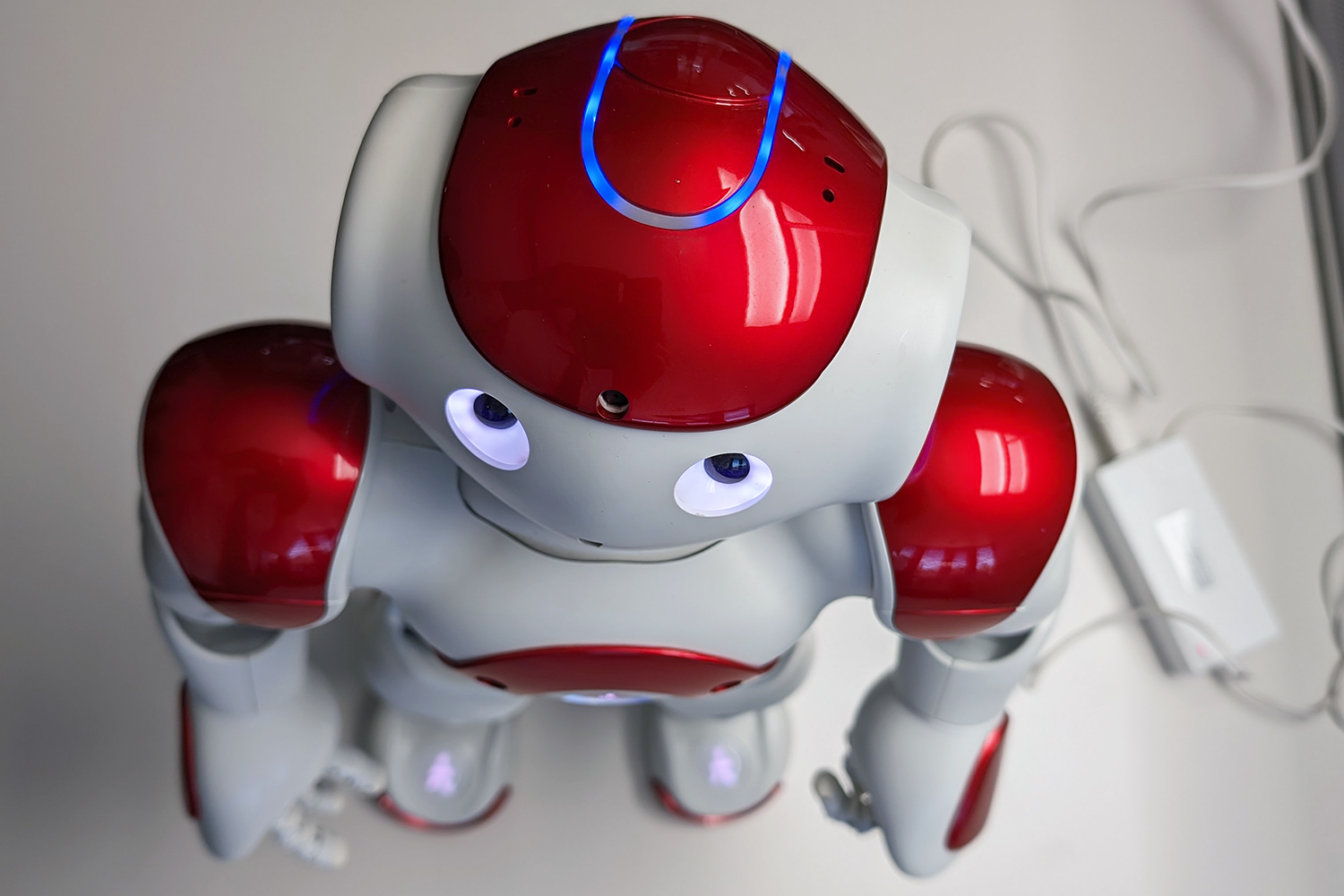
The article „Small Talk with a Robot Reduces Stress and Improves Mood“ by Katharina Kühne, Antonia L. Z. Klöffel, Oliver Bendel, and Martin H. Fischer was published on December 23, 2025. It is part of the volume „Social Robotics + AI: 17th International Conference, ICSR+AI 2025, Naples, Italy, September 10–12, 2025, Proceedings, Part III.“ From the abstract: „Research has demonstrated that social support is crucial in mitigating stress and enhancing mood. Not only do long-term, meaningful relationships contribute to well-being, but everyday social interactions, such as small talk, also offer psychological benefits. As social robots increasingly become more integrated into daily life, they present a potential avenue for stress interventions. In our online study, 98 participants underwent a stress induction using the Stroop task and were then assigned to one of three conditions: engaging in scripted small talk with a simulated NAO robot online, listening to a neutral story told by the same NAO robot, or no intervention (control condition). Results indicate that both interventions effectively reduced stress, with a tendency towards a stronger effect in the Small talk condition. Small talk not only helped maintain positive affect but also reduced negative affect. Notably, the benefits were more pronounced among individuals experiencing higher acute stress following the stress induction, but were less evident in those with chronically elevated stress levels. Furthermore, the effect of the intervention on stress reduction was mediated by changes in positive affect. These findings suggest that small talk with a social robot may serve as a promising tool for stress reduction and affect regulation.“ The first author, a researcher from the University of Potsdam, presented the paper on September 12, 2025, in Naples. It can be downloaded from link.springer.com/chapter/10.1007/978-981-95-2398-6_1.
The paper „The Universal Robot of the 21st Century“ by Oliver Bendel was published in February 2025 in the proceedings volume „Social Robots with AI: Prospects, Risks, and Responsible Methods“ … From the abstract: „Developments in several areas of computer science, robotics, and social robotics make it seem likely that a universal robot will be available in the foreseeable future. Large language models for communication, perception, and control play a central role in this. This article briefly outlines the developments in the various areas and uses them to create the overall image of the universal robot. It then discusses the associated challenges from an ethical and social science perspective. It can be said that the universal robot will bring with it new possibilities and will perhaps be one of the most powerful human tools in physical space. At the same time, numerous problems are foreseeable, individual, social, and ecological.“ The proceedings volume comprises the papers presented at Robophilosophy 2024 in Aarhus. Leading philosophers, computer scientists and roboticists met there in August. Like the ICSR, the conference is one of the world’s leading conferences on social robotics. General-purpose robots, the predecessors of universal robots, have now become widespread, as exemplified by Digit, Apollo, and Figure 03. The author accepted manuscript of this article is therefore being made freely available on this site for non-commercial use only and with no derivatives, in line with the publisher’s self-archiving policy.
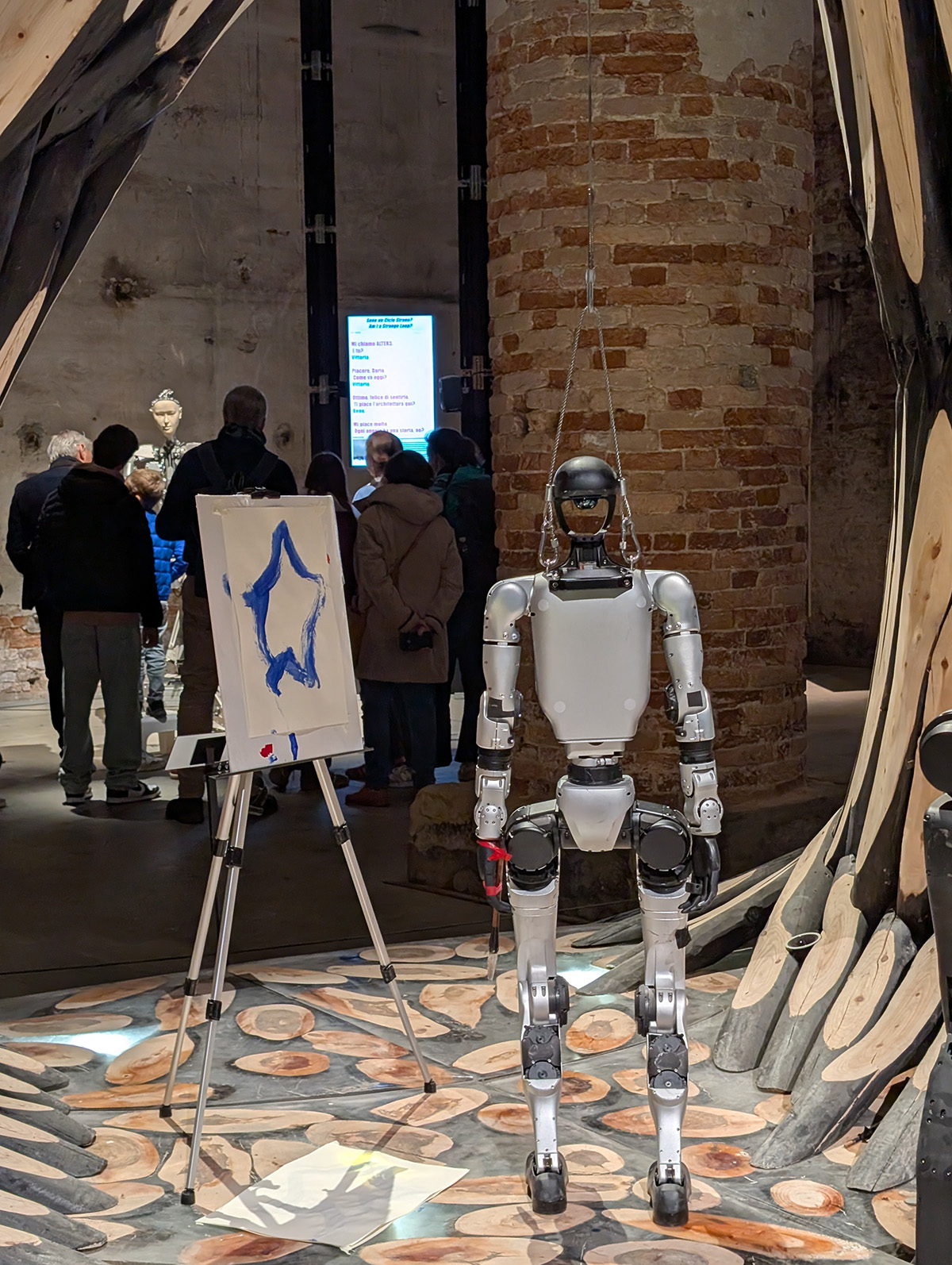
Abb.: Ein malender Roboter bei der Biennale Architettura 2025
The 18th International Conference on Social Robotics (ICSR + Art 2026) will take place in London, UK, from 1–4 July 2026. ICSR is the leading international forum that brings together researchers, academics, and industry professionals from across disciplines to advance the field of social robotics. The conference has now opened its submission system, and full details can be found on the official ICSR 2026 submission page (icsr2026.uk/submission). Authors are invited to submit to a range of categories. Regular Papers for the Main Track should follow the guidelines provided on the conference website and be submitted by 15 February 2026. Special Session submissions follow the same Regular Paper instructions but are directed to individual sessions listed on the Special Sessions page. Short Papers follow their own dedicated instructions and are submitted through the same system. Competitions and Debates each have their own portals, with submissions due by 1 March 2026. Additional tracks such as the Robot Fringe and Travel Grants will be announced soon. All submission links and instructions are clearly detailed on the ICSR 2026 submission page, ensuring authors have everything they need to prepare their contributions for this major event in social robotics.
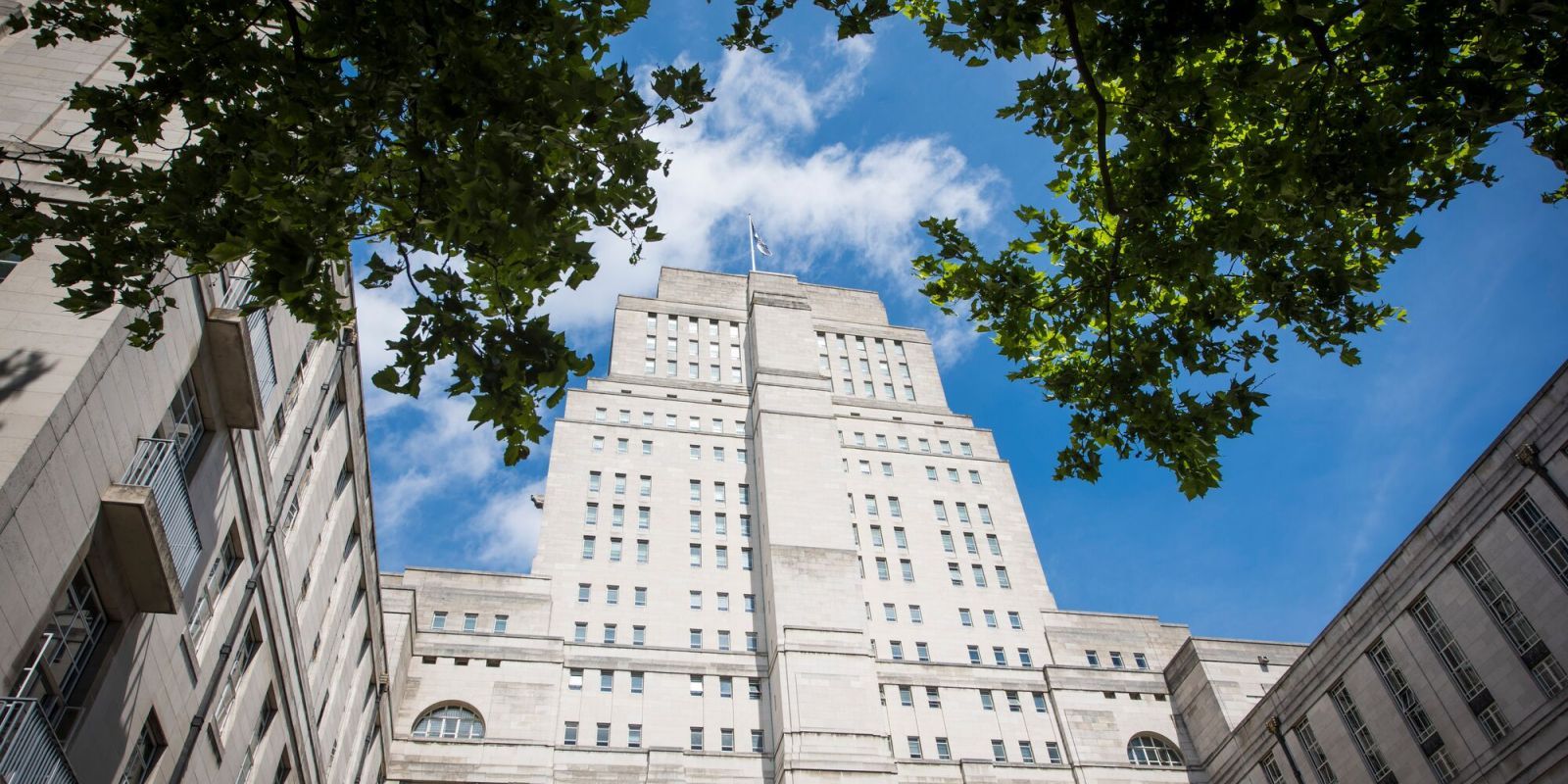
Fig.: The Senate House (Photo: University of London)
The Robophilosophy Conference 2026 will take place August 11–14 at University College Dublin in a hybrid format and centers on the theme „Connected Futures: Nature, Robots, and Society“. As robotics and AI become deeply embedded in human life, the conference invites researchers across disciplines to explore how autonomous systems shape society, ecology, law, labor, and human self-understanding. It raises questions about responsible design, accountability, environmental impact, social justice, cultural perspectives, and the ethics of coexistence with artificial agents. Workshop proposals are due January 16, session papers and posters February 6, with notifications in February and April and proceedings pre-submission on June 15. RP2026 aims to foster interdisciplinary dialogue that advances both technological insight and collective wisdom for a future in which humans and autonomous systems share social and ecological worlds. Further information is available at cas.au.dk/en/rpc2026.
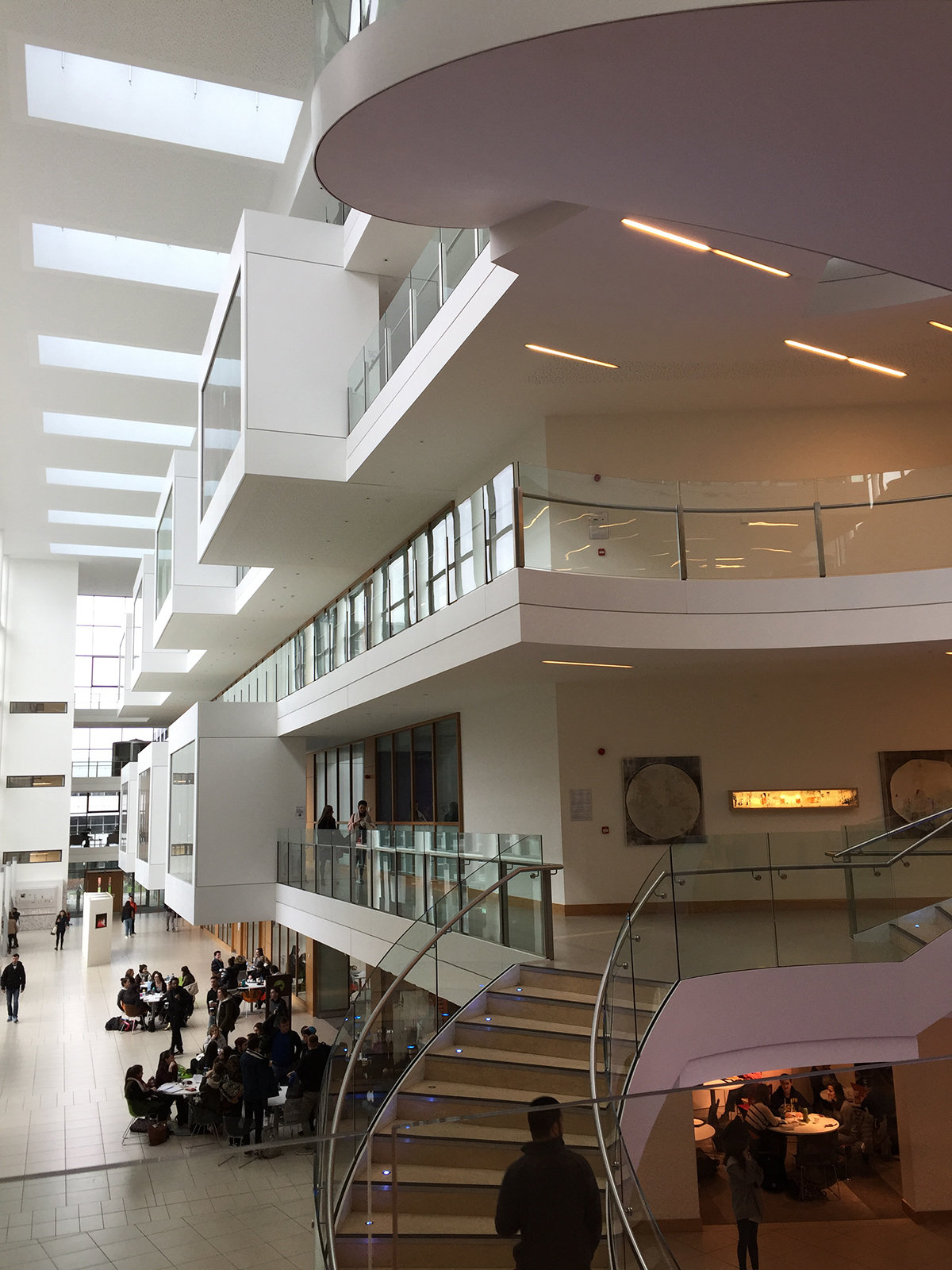
Fig.: University College Dublin (Foto: Sharonlflynn, CC BY-SA 4.0)
The 18th International Conference on Social Robotics (ICSR + Art 2026) will take place in London, UK, from 1-4 July 2026. ICSR is the leading international forum that brings together researchers, academics, and industry professionals from across disciplines to advance the field of social robotics. As part of this edition, ICSR 2026 will host a series of live debates in the Debate Room (Senate Room), addressing pressing questions about social robots in society and culture. Debate proposals may focus on conceptual, ethical, scientific, artistic, practical, or societal aspects of social robotics and should connect broadly to the conference topics listed aticsr2026.uk/topics/. Submissions are open to contributors from social robotics, HRI, the arts, design, engineering, the humanities, and related areas, with interdisciplinary proposals particularly encouraged. Formats may include two-sided or multi-position debates, panel discussions, performative debates, or audience-engaged formats. In a nod to British debating traditions, participants are encouraged to wear academic gowns. Proposals are submitted viaicsr2026.uk/debate-proposal, with a submission deadline of 1 March 2026 and notification of acceptance by 15 April 2026.
The 18th International Conference on Social Robotics (ICSR + Art 2026) will take place in London, UK, from July 1–4, 2026. ICSR is the leading international forum that brings together researchers, academics, and industry professionals from across disciplines to advance the field of social robotics. The conference is accepting special session proposals on a rolling basis until the submission deadline. Approved sessions will be added here as they are confirmed. The deadline for submitting proposals for special sessions is 1 December 2025. Further information is available at icsr2026.uk. Two special sessions have already been accepted, namely „SS01: Cultural Robotics“ and „SS02: Participatory Futures in Social Robotics and AI“.
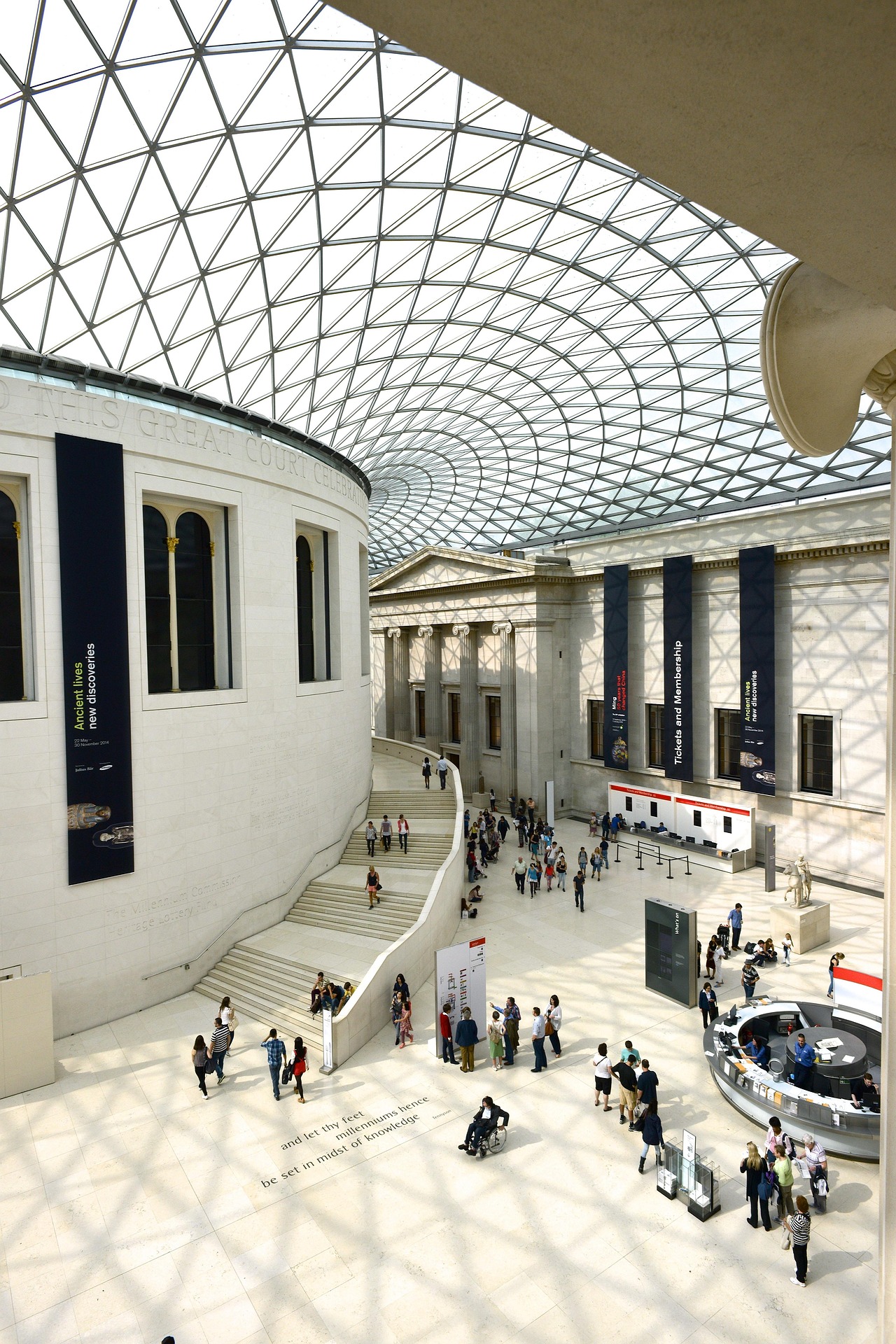
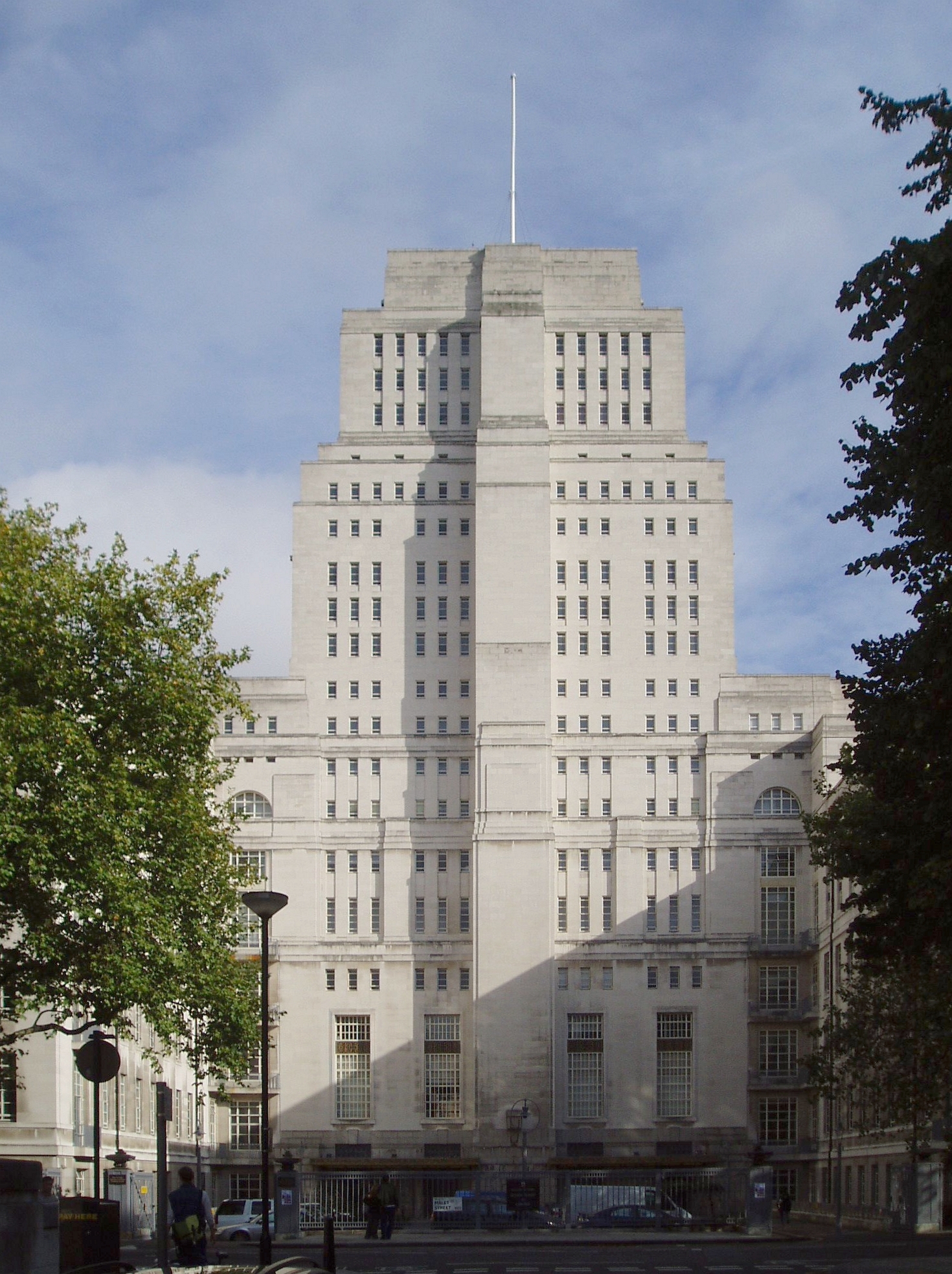
The 18th International Conference on Social Robotics (ICSR + Art 2026) will take place in London, UK, from 1-4 July 2026. ICSR is the leading international forum that brings together researchers, academics, and industry professionals from across disciplines to advance the field of social robotics. This year’s edition will be hosted at Senate House, part of the University of London, located in the heart of central London. The venue is within walking distance of many of the city’s main attractions and stations. Senate House has appeared in several famous films and series, including „Batman Begins“, „The Dark Knight Rises“, „Fast & Furious 6″, „No Time to Die“ (a James Bond film), „Nineteen Eighty-Four“, and the Netflix series „The Crown“. The building inspired George Orwell’s depiction of the Ministry of Truth in „1984″. Further information is available at icsr2026.uk.
Fig.: The famous Art Deco building (Photo: stevecadman/CC BY-SA 2.0)
Wearable Social Robots sind sehr kleine und zugleich äußerst leistungsfähige Systeme, die um den Hals, am Körper oder in einer Schulter- oder Handtasche getragen werden. Sie sind nicht nur Begleiter des Menschen, sondern werden ein Teil von ihm, indem sie seine Sinne und Ausdrucksmöglichkeiten erweitern. Der Artikel mit dem Titel „Dieser Roboter steht Ihnen aber gut!“ (Untertitel „Über das Phänomen der Wearable Social Robots“) von Oliver Bendel definiert den Begriff der Wearable Social Robots, stellt Anwendungsbereiche vor und erörtert soziale sowie ethische Herausforderungen. Zudem werden Empfehlungen für Entwickler und Benutzer gegeben. Es wird deutlich, dass Wearable Social Robots neuartige Werkzeuge sowie Erweiterungen oder Verbesserungen des Menschen darstellen, deren Möglichkeiten über jene von Apps auf Smartphones hinausgehen. Der Artikel ist am 25. September 2025 in Wiley Industry News erschienen, nicht nur in deutscher, sondern auch in englischer Sprache. Er kann über www.wileyindustrynews.com/de/fachbeitraege/dieser-roboter-steht-ihnen-aber-gut bzw. www.wileyindustrynews.com/en/contributions/that-robot-suits-you-well abgerufen werden.
The 18th International Conference on Social Robotics (ICSR + Art 2026) will take place in London, UK, from July 1–4, 2026. ICSR is the leading international forum that brings together researchers, academics, and industry professionals from across disciplines to advance the field of social robotics. For its 18th edition, the conference will feature the special theme ICSR + Art, exploring how robots can transcend their traditional roles to become tools and collaborators in creative practices. At the same time, the conference remains fully open to the entire spectrum of social robotics research, including human–robot interaction, medical and assistive robotics, AI and machine learning, ethics, design, education, cultural applications, and beyond. Accepted papers will be published in Springer’s Lecture Notes in Artificial Intelligence (LNAI) series and indexed in major databases. In addition to regular and short papers, the program will include workshops and special sessions designed to foster exchange across disciplines and communities. Paper submissions are due by February 15, 2026, with notifications on April 15, 2026, and camera-ready papers due May 15, 2026. Proposals for workshops and special sessions are welcome until December 1, 2025. Further information is available at icsr2026.uk.
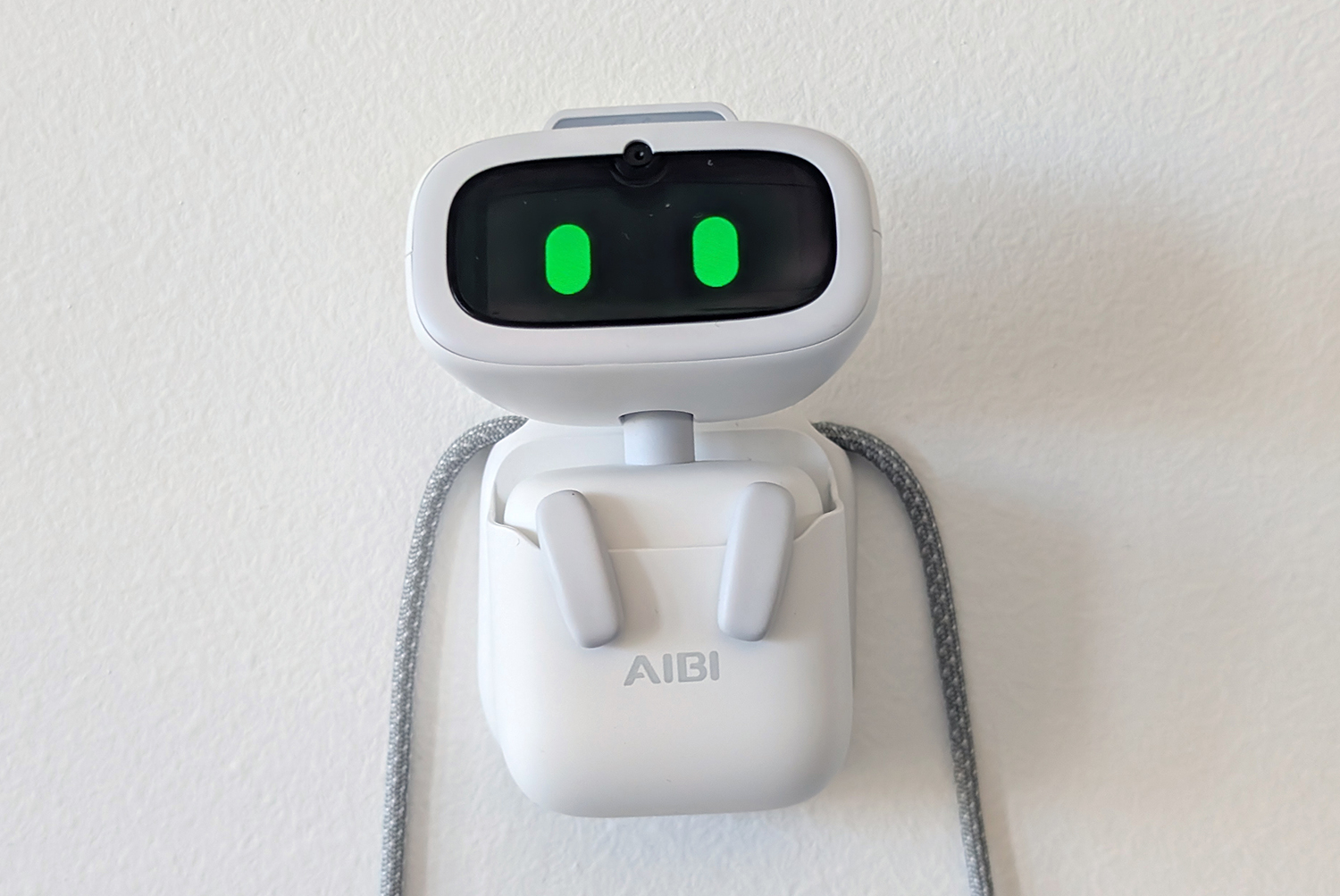
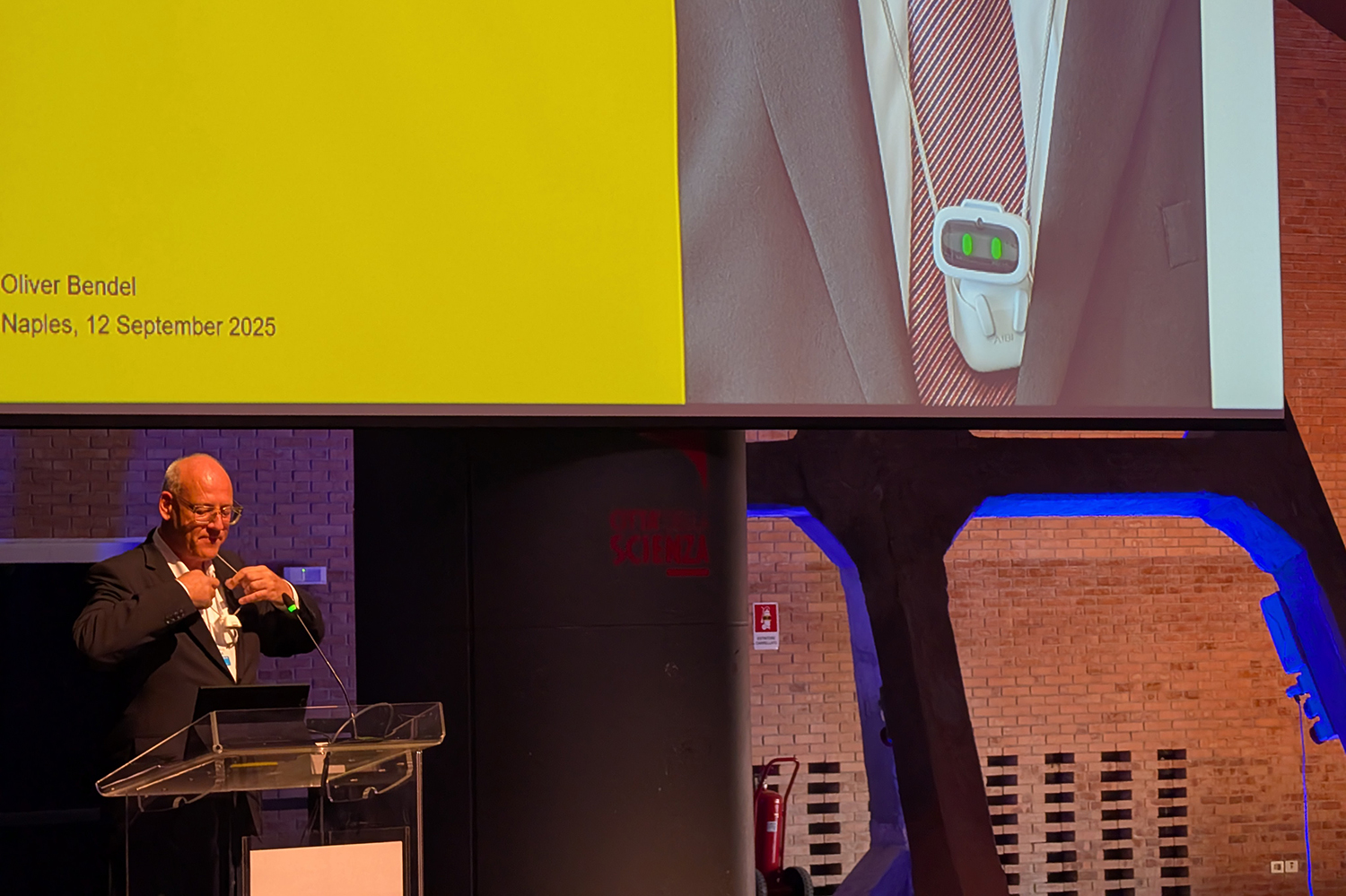
At the last session of the ICSR on September 12, 2025, Oliver Bendel presented his full paper titled „Wearable Social Robots for the Disabled and Impaired“. He began by defining the term wearable social robots, which he sees as a special form and combination of wearable robots and social robots. One example is AIBI, a small robot that he briefly wore around his neck during the talk. Wearable social robots can include functions for games and entertainment, information and learning, navigation and description, and combating loneliness and anxiety. Potential user groups include pupils and students, prison inmates, astronauts, and disabled and impaired persons. Franziska and Julia demonstrated in videos how they use AIBI as a companion and for social support. With this paper, Oliver Bendel continued his work in the field of inclusive AI and inclusive Robotics. The ICSR is one of the leading conferences for social robotics worldwide, and its 17th edition took place from September 10 to 12, 2025, in Naples, Italy. Mariacarla Staffa (University of Naples Parthenope, Italy), John-John Cabibihan (Qatar University, Qatar), and Bruno Siciliano (University of Naples Federico II) served as the main organizers. Over the course of the three days, 300 participants attended, contributing once again to the advancement of social robotics.
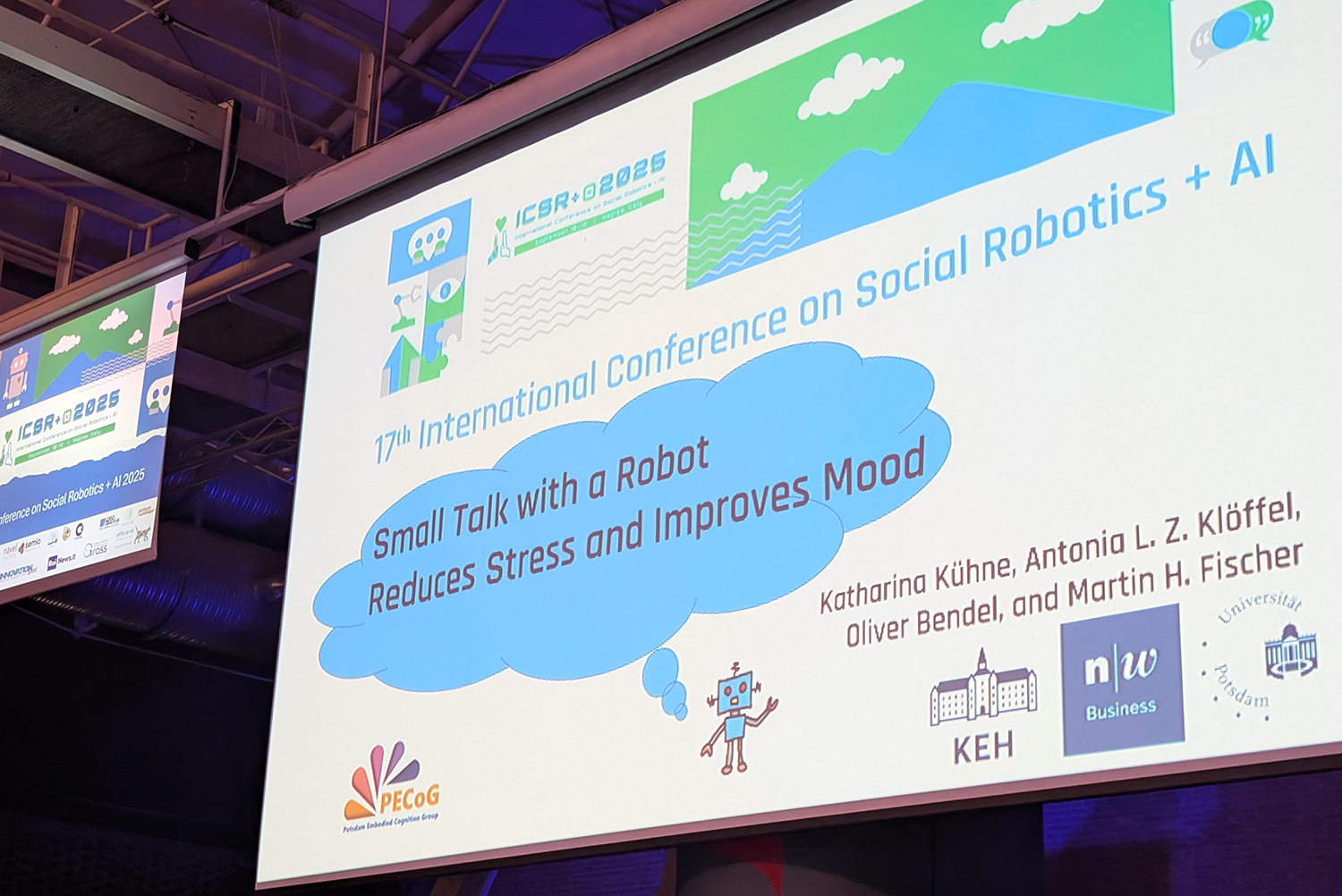
At the last day of the ICSR on September 12, 2025, Katharina Kühne presented her full paper titled „Small Talk with a Robot Reduces Stress and Improves Mood“ (written together with Antonia L. Z. Klöffel, Oliver Bendel, and Martin H. Fischer). Previous research has shown that social support reduces stress and improves mood. This study tested whether small talk with a social robot could be helpful. After performing a stressful task, 98 participants either chatted with a NAO robot, listened to the robot tell a neutral story, or did not interact with the robot. Both robot interactions reduced stress – particularly small talk, which also boosted positive mood. The effects were stronger in participants with high acute stress. Positive affect played a key role in stress reduction, suggesting that robot-mediated small talk may be a useful tool for providing emotional support. Dr. Katharina Kühne and Prof. Dr. Martin H. Fischer are researchers at the University of Potsdam. Antonia L. Z. Klöffel assists Katharina Kühne as a junior scientist. Martin Fischer is the head of the Potsdam Embodied Cognition Group (PECoG). Prof. Dr. Oliver Bendel is an associated researcher with PECoG.
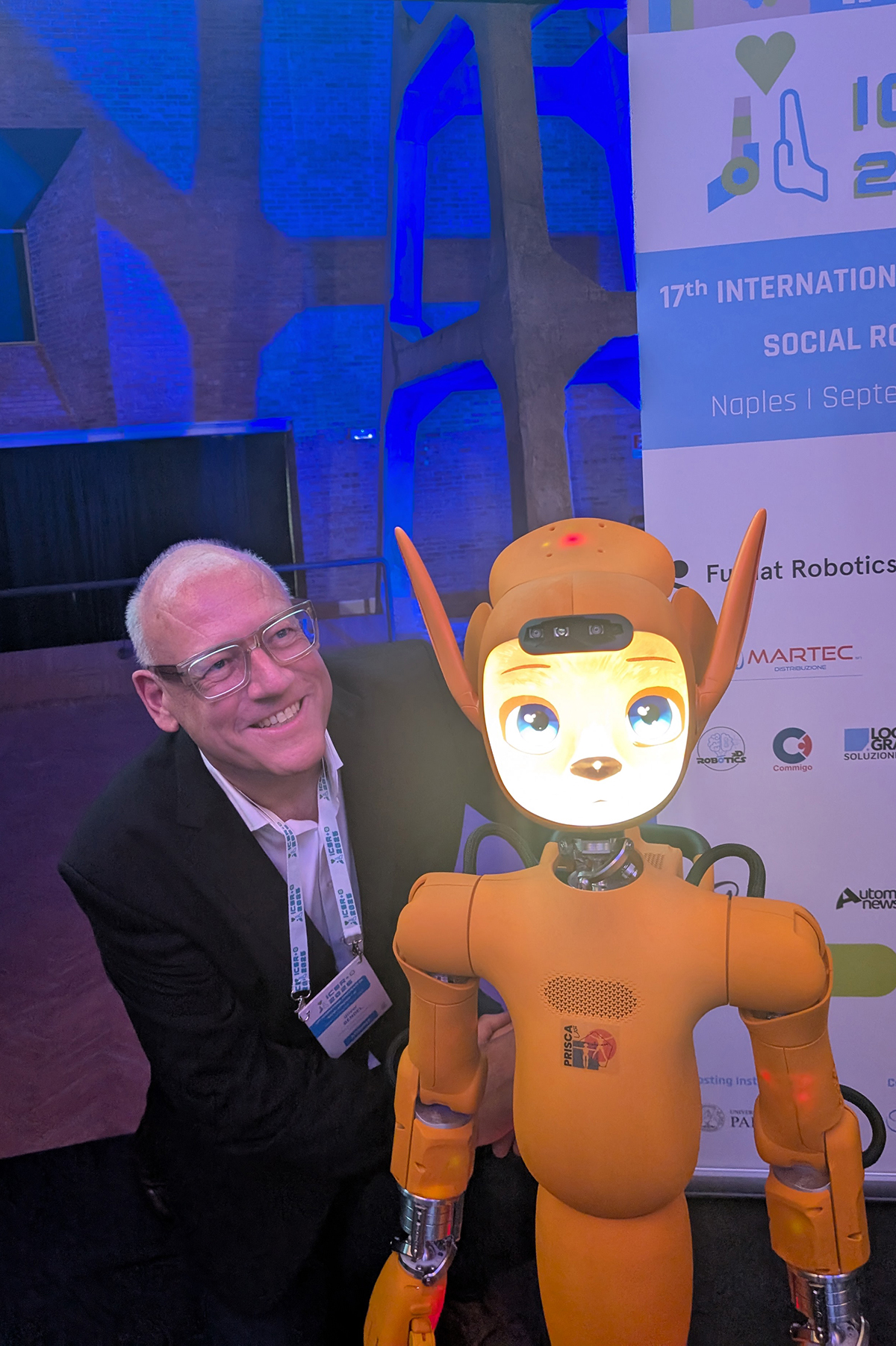
The third and final day of ICSR 2025, September 12, 2025, began with a keynote speech by Jérôme Monceaux entitled „Emotivation by Design: The Mirokaï“. Present was one of the Mirokaï, spectacular robots that roll on a sphere, the female Miroka. Jérôme Monceaux’s keynote traced the evolution of robotics toward more intuitive, inspiring, and joyful interactions. From the iconic Nao and Pepper robots at Aldebaran to the latest generation of social robots, The Mirokaï by Enchanted Tools, his innovative approach reshaped design, mobility, and user experience. He shared his vision for humanoid robots built to support people in everyday life and work. By combining bold engineering with endearing character design, embodied AI, and meaningful storytelling, Jérôme Monceaux and his team created a cohesive hardware and software ecosystem that integrated naturally into social environments – especially in care settings like senior living and pediatric hospitals. The approximately 300 participants watched enthusiastically as the inventor and visionary spoke to Miroka on stage and handed it a bubble flower, which it accepted and used.